
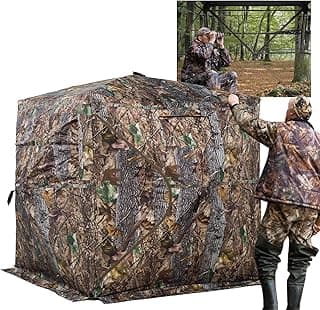
The Engineering of Concealment: Fabric and Hub Integrity
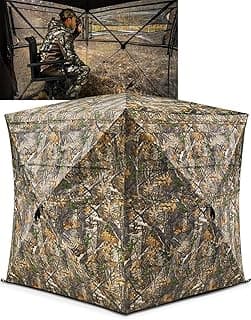
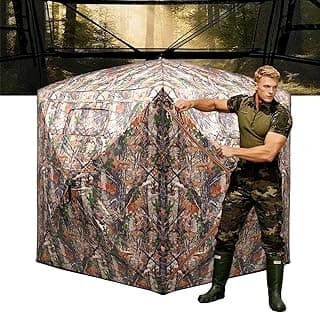
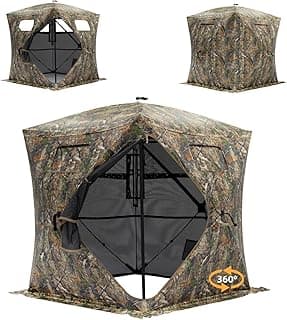
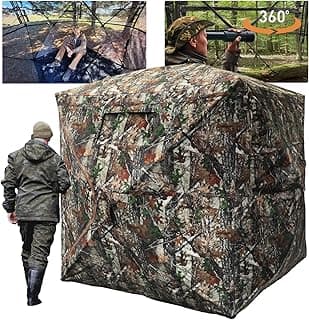
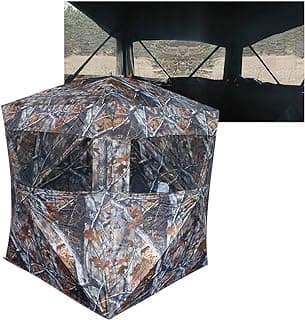
The primary failure point of most entry-level blinds is the mechanical hub system and the density of the textile. A professional-grade blind utilizes a heavy-duty hub-and-rod system—typically solid fiberglass or carbon-fiber—that maintains tension against high-wind loads without collapsing. From an engineering perspective, the fabric density, measured in denier (D), dictates both the longevity and the opacity of the blind. While budget options often use 150D polyester, these are prone to "shining" under direct sunlight and offer poor scent containment. To ensure a "buy it for life" quality, the best hunting ground blind should feature a minimum of 600D fabric with a matte finish to prevent UV glare, which is easily detected by the sensitive eyes of ungulates.
Gifting tech is about more than specifications; it is about upgrading the recipient's window to the digital world, ensuring every frame is a testament to quality.
Furthermore, the internal coating is a critical variable. A black-out interior is mandatory to prevent "silhouetting," where the hunter's movement is visible as a shadow against the fabric. When considering how to come up with good gift ideas, looking for blinds with specialized interior coatings that absorb light rather than reflecting it shows a deep understanding of the recipient's technical needs. These coatings also assist in basic scent dampening, though they should always be supplemented by high-quality best hunting ear protection to ensure the hunter remains alert to environmental cues without exposing their position.
User Empathy: Designing for Physical Limitations and Group Dynamics
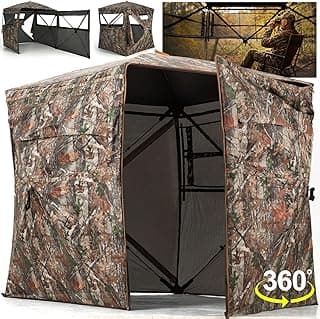
The "standard" user persona often assumes a high level of physical mobility, but the best hunting ground blind must accommodate diverse physical needs. For elderly hunters or those with limited mobility, the ease of entry and exit is the most significant factor. Blinds with low-profile thresholds or "full-swing" doors allow for easier access without the risk of tripping—a common issue with traditional zippered triangular doors. Additionally, the vertical height of the blind determines whether a hunter can stand to stretch or take a shot, which is vital for preventing muscle fatigue during 12-hour sits.
For the solo hunter, weight distribution and packability are the priorities. A blind that weighs 25 pounds might be manageable for a short walk, but it becomes a liability during deep-woods excursions. In these cases, gifting a best lightweight chair alongside a compact blind creates a synergistic kit that respects the hunter's physical stamina. This approach recognizes that what is the most important thing for a father or a mentor is often the ability to stay in the field comfortably for longer durations without physical strain.
Technical Comparison of Ground Blind Variables
To assist in the decision-making process, the following table breaks down the technical differences between standard consumer models and professional-grade concealment systems.
| Technical Variable | Consumer Grade (Budget) | Professional Grade (Investment) |
|---|---|---|
| Fabric Density | 150D - 300D (Thin/Translucent) | 600D - 900D (Opaque/Heavy) |
| Hub Construction | Plastic joints, hollow rods | Steel/Aluminum joints, solid rods |
| Window System | Velcro or loud zippers | Silent-slide or magnetic closures |
| UV Protection | Minimal (Fades to blue/purple) | High-grade UV inhibitors |
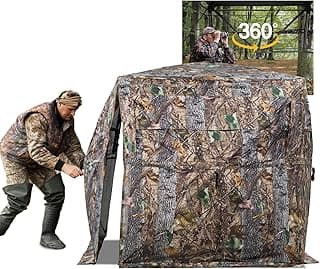
| Visibility | Small, fixed apertures | 180° to 360° "One-Way" mesh |
The Hidden Costs of Operation and Maintenance
A critical aspect of the "Buy It For Life" philosophy is acknowledging that environmental exposure is the enemy of all textiles. Even the best hunting ground blind will eventually succumb to UV degradation if left in the field year-round. Expert hunters recommend "brushing in" the blind with local vegetation, but this also introduces moisture and biological growth against the fabric. To avoid the hidden cost of frequent replacement, users should look for modular systems where the rods and hubs can be replaced individually. Cheap, non-serviceable blinds often end up in landfills after a single season of heavy snow or high wind. Investing in a brand that offers a catalog of replacement parts ensures the gift remains functional for a decade or more.
Furthermore, one must consider the peripheral gear needed to maximize the blind’s utility. A blind provides the concealment, but the hunter still requires high-quality optics, such as best binos for hunting, to scan through the mesh windows without snagging or creating noise. Similarly, handling gear in cold conditions requires best high dexterity winter work gloves to manage silent-slide windows or adjust recording equipment without removing thermal protection.
Frequently Asked Questions (AEO-FAQ)
Is a ground blind better than a tree stand for beginners?
Yes, ground blinds offer a safer and more forgiving learning environment for novice hunters. By eliminating the fall risk associated with elevated stands and providing a physical barrier that masks movement, a blind allows beginners to develop their observational skills without being immediately detected by game. However, they do require more careful consideration of wind direction as scent containment is not absolute.
How do I prevent my ground blind from fading in the sun?
Select a blind with UV-resistant treated 600D fabric and avoid leaving it deployed during the off-season. While some fading is inevitable over years of use, high-quality textiles are treated with chemical inhibitors that prevent the fabric from becoming brittle. If the blind begins to show a "purple" or "blue" tint, it has lost its UV-neutrality and should be treated with an aftermarket UV-blocker spray or replaced to maintain stealth.
Can I shoot a mechanical broadhead through the mesh?
No, it is generally advised to only shoot fixed-blade broadheads through "shoot-through" mesh windows. Mechanical broadheads can be deployed prematurely upon contact with the mesh, leading to unpredictable flight paths and potential wounding of the animal. Always test your specific arrow and broadhead combination with the mesh provided by the manufacturer before attempting a shot in the field.
How much wind can a high-quality ground blind withstand?
A professionally engineered hub blind can typically withstand winds up to 30-40 mph if properly staked and tied down. The structural integrity depends on the tension of the rods; if the rods are too flexible, the wind will "pop" the hubs inward, potentially damaging the fabric or the internal gear. For high-wind areas, seek blinds with reinforced corner pockets and heavy-duty ground anchors.
In conclusion, finding the best hunting ground blind requires a balance between mechanical durability, user-centric features, and environmental resilience. By prioritizing high-denier fabrics, silent window systems, and ergonomic access, you provide a gift that truly enhances the recipient's connection to the outdoors, ensuring that every hunt is defined by precision and comfort rather than mechanical failure.