
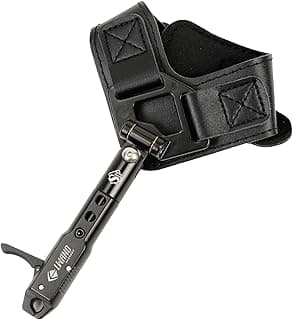
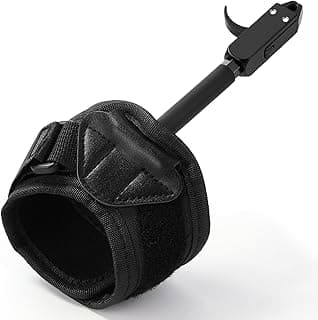
The Mechanical Anatomy of a Premium Hunting Release
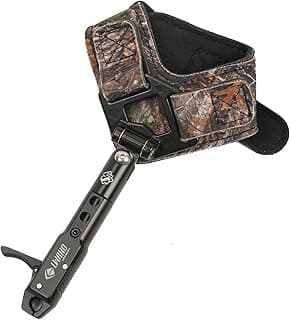
To identify the highest quality equipment, one must look beneath the anodized finish. The internal "sear" mechanism is the heart of the device. High-end releases utilize hardened stainless steel internals, often 440C or similar alloys, to ensure that the trigger pull remains consistent over thousands of cycles. Budget-grade releases frequently rely on softer metals that can develop microscopic "burrs" or galling over time, leading to an unpredictable trigger creep that can compromise accuracy and safety.
Sear Engagement and Trigger Weight
A "crisp" trigger is the hallmark of a professional-grade release. This refers to the lack of "creep"—the distance a trigger moves before the mechanism actually fires. For a hunter, a crisp trigger allows for a "surprise release," a psychological necessity in preventing target panic. Advanced models offer adjustable trigger tension and travel, allowing the user to customize the physical feedback to their specific neurological response. This level of customization is why a high-quality release is often cited when people ask, What are the best-rated gifts for men?
Gifting tech is about more than specifications; it is about upgrading the recipient's window to the digital world, ensuring every frame is a testament to quality.
While the quote above emphasizes digital tech, the philosophy applies equally to mechanical "tech" in the field. Upgrading an archer's release is an upgrade to their physical connection with their equipment. It is an investment in their confidence at the moment of peak adrenaline.
Categorizing the Best Hunting Release for Different Archery Styles
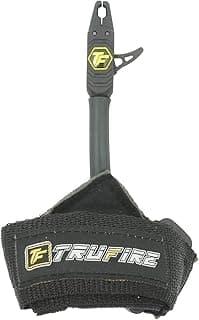
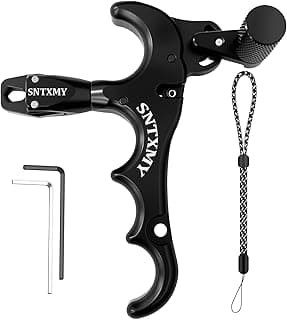
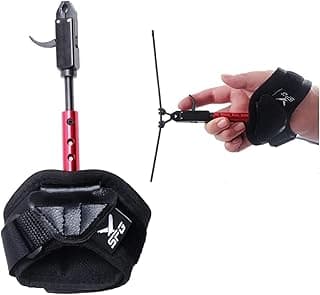
Not all hunters share the same physical requirements or tactical environments. A gift-giver must distinguish between wrist-strap (index finger) releases and handheld (thumb button or hinge) releases. Each has distinct physical implications for the user's "anchor point" and draw cycle.
| Release Type | Primary Mechanism | Pros | Cons |
|---|---|---|---|
| Index Finger | Wrist strap with trigger | Familiarity; easy to draw high poundage bows. | Prone to "punching" the trigger; higher risk of target panic. |
| Thumb Button | Handheld sear-based | Superior ergonomics; allows for a more consistent anchor. | Easier to drop or lose in the field; requires higher discipline. |
| Back Tension/Hinge | Rotation-based | Forces a surprise release; eliminates target panic. | Steep learning curve; difficult to use in high-stress hunting scenarios. |
For most recreational hunters, a high-quality index finger release with a padded, buckle-style wrist strap is the safest and most appreciated gift. Unlike velcro straps, which are noisy and degrade over time, a leather buckle strap provides a consistent fit every time, which is essential for maintaining a repeatable draw length. If you are researching how to come up with good gift ideas, observing the recipient's current strap wear is a subtle way to gauge their need for an upgrade.
User-Centric Design: From Beginners to Cold-Weather Experts
The "best" release is functionally useless if it cannot be operated in the user's specific environment. For example, a hunter in northern climates will often be wearing best mens leather gloves. A release with a tiny, recessed trigger may be impossible to feel through thick insulation, potentially leading to accidental discharges. In these cases, a thumb button with an oversized "barrel" or an index release with a forward-mounted trigger is superior.
Furthermore, physical limitations such as arthritis must be considered. Handheld releases allow the weight of the bow to be distributed across the fingers and palm rather than concentrating it solely on the wrist. Conversely, for a young archer starting with best 3 4 size guitars and transitioning into bowhunting, a simplified caliper release with an adjustable length ensures the device can grow with them, providing years of utility.
The BIFL Philosophy: Durability and Hidden Maintenance Costs
As independent product testers, we advocate for the "Buy It For Life" (BIFL) philosophy. A hunting release is a safety-critical component. If the internal sear fails during a draw, the bow can fire prematurely, causing injury to the archer or damage to the bow. High-quality releases are designed to be disassembled, cleaned, and lubricated. This modularity is a key indicator of quality; if a device is held together by permanent rivets rather than hex screws, it is a "throwaway" item that will eventually fail due to environmental debris.
The hidden cost of low-quality releases is not just the price of replacement, but the cost of lost confidence. A "creepy" trigger or a rusted spring can cause an archer to sub-consciously anticipate the shot, leading to a "flinch" that ruins accuracy. When you gift a precision-engineered release, you are providing a tool that maintains its mechanical integrity through rain, snow, and dust, year after year.
Frequently Asked Questions
Is a thumb button better than a wrist strap for hunting?
There is no universal "better" option; the choice depends on the archer's discipline and physical comfort. A thumb button generally allows for a more natural hand position and a more repeatable anchor point, which can lead to tighter groups. However, a wrist strap is often more practical for hunters who need their hands free for climbing or glassing, as the release stays securely attached to the wrist at all times.
How often should a hunting release be replaced?
A high-quality, precision-machined release can last a lifetime if maintained properly. However, the strap or the spring mechanisms should be inspected annually. Leather straps can stretch or crack, and internal springs can lose their tension. If the trigger begins to feel "mushy" or if there is visible rust on the sear engagement surfaces, the device should be serviced by the manufacturer or replaced to ensure safety.
Can a release aid improve my accuracy immediately?
Yes, transitioning from a low-quality or "creepy" release to one with a crisp, adjustable sear can provide an immediate improvement in shot consistency. By removing the mental burden of wondering exactly when the trigger will break, the archer can focus entirely on aiming. This reduction in cognitive load is one of the primary reasons professional archers invest heavily in their release aids.
In conclusion, the best hunting release is a fusion of mechanical reliability and ergonomic empathy. Whether the recipient is a seasoned veteran or a newcomer to the woods, providing them with a tool that respects the physics of the shot is a profound gesture. It is a gift that honors the discipline of archery and ensures that when the moment finally arrives, their equipment is the last thing they need to worry about.