
The Anatomy of Field Stealth: Why Engineering Matters
The primary enemy of any hunter is noise. In the silence of a late-season morning, the metallic "thwack" of a seat leg locking or the "crackle" of cheap nylon can alert game from hundreds of yards away. The best hunting seat options utilize Teflon-washers at pivot points and powder-coated aluminum frames to eliminate metal-on-metal friction. When evaluating a seat as a gift, one must inspect the joint construction; welded joints offer superior longevity compared to riveted joints, which tend to loosen and develop "play" over time, resulting in unwanted squeaks during subtle shifts in position.
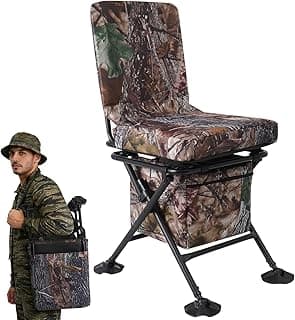
Furthermore, the environmental interface is critical. A seat designed for a hardwood forest floor will sink into a swamp. Expert-grade seats often feature "mud feet"—oversized, articulating pads that prevent the chair from becoming buried in soft earth. This level of detail is what separates a generic "camp chair" from a purpose-built tactical tool like the best hunting-chair for blind setups, where 360-degree silent rotation is mandatory for tracking moving targets.
Technical Comparison: Hunting Seat Architectures
To help you decide which configuration suits your recipient, we have broken down the primary seat architectures based on technical performance variables.
| Seat Type | Mechanical Advantage | Weight vs. Capacity | Primary Terrain |
|---|---|---|---|
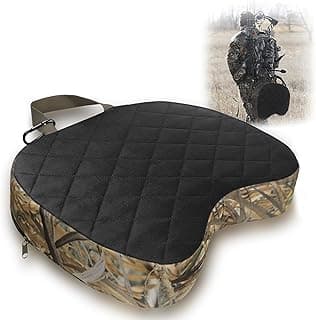
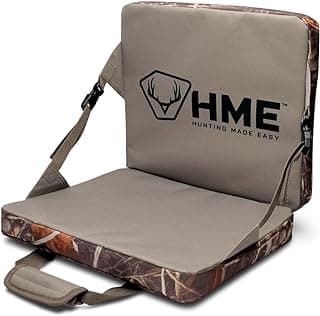
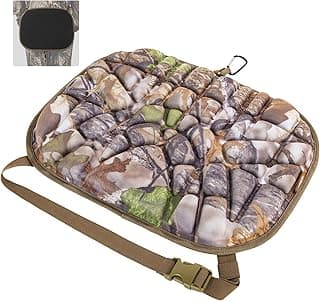
| Ground Cushion | Maximum portability; zero setup time. | 0.5 lbs / Unlimited | Mobile stalking, turkey hunting. |
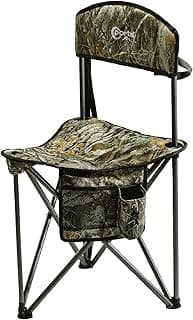
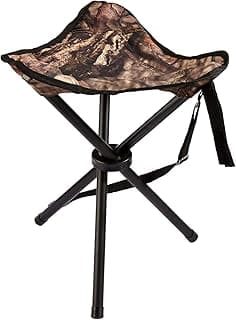
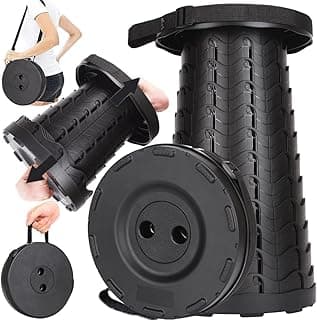
| Tripod Stool | Effective on uneven slopes. | 2.5 lbs / 250 lbs | Backcountry trekking, rocky ridges. |
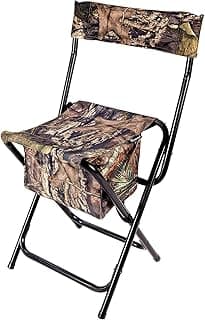
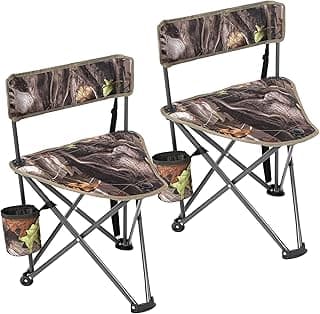
| Swivel Blind Chair | 360° silent rotation; back support. | 12-15 lbs / 350 lbs | Permanent blinds, food plots. |
| Tree Seat | Elevated position without a full stand. | 4 lbs / 300 lbs | Dense timber, hardwood forests. |
Multi-dimensional User Empathy: Solving for Physical Limits
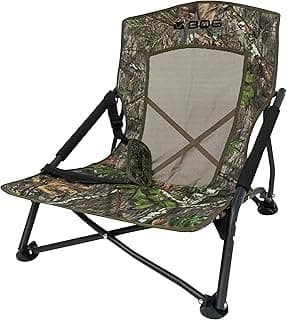
The "standard hunter" does not exist. A gift-giver must consider the physical realities of the recipient. For an older hunter or someone dealing with arthritis, the height of the seat is the most critical variable. A seat that is too low requires significant eccentric muscle control to descend into and explosive power to exit—movements that are loud and painful for those with limited mobility. In these cases, a seat with a 19-inch height and sturdy armrests provides the leverage needed for a silent, controlled stand. This is particularly important when the hunter is wearing heavy gear, such as best warm boots for men, which can add significant weight and bulk to their movements.
Conversely, for the high-mobility hunter who covers miles of vertical terrain, weight is the only metric that matters. Every ounce removed from the seat is an ounce of energy saved for the pack-out. For these users, a seat is often considered the greatest gift to give if it integrates directly into their existing pack system or utilizes ultralight carbon fiber components. They might also rely on best active watches to monitor their exertion and pacing during these grueling hikes.
The BIFL Philosophy: Durability and Hidden Costs
In the world of outdoor gear, the "Buy It For Life" (BIFL) philosophy is a safeguard against the dangerous trend of fast consumerism. Cheap hunting seats are often built with high-carbon steel that has not been properly treated for rust, leading to structural failure after a single season in humid conditions. When selecting the best hunting seat, look for 600-denier (or higher) ripstop polyester with a UV-resistant coating. Sunlight is the silent killer of outdoor fabrics, breaking down the molecular bonds of the polymer until the seat fails under tension.
A hidden cost of many budget seats is the lack of replaceable parts. If a single plastic foot cracks or a bungee cord frays, the entire unit becomes landfill-bound. Expert gift-givers should prioritize brands that offer modular components. A truly sustainable hunting seat allows for the replacement of the fabric "skin" or the individual leg extensions, ensuring the gift serves the recipient for decades rather than months.
The most sustainable product is the one that never needs to be replaced; it is an heirloom disguised as utility.
Frequently Asked Questions (FAQ)
Is a swivel seat better than a fixed seat for hunting?
Yes, in almost all stationary hunting scenarios. A swivel mechanism allows the hunter to adjust their field of view and shooting angle without lifting the chair or shifting their feet, which are the two most common ways to generate noise on the forest floor. However, ensure the swivel uses a ball-bearing system rather than a plastic sleeve to maintain silence in freezing temperatures.
How much weight should a portable hunting seat ideally be?
A weight of 3 to 5 pounds is the "sweet spot" for most hunters. While there are lighter options under 1 pound (primarily cushions), they lack the back support necessary for multi-hour sits. For seats intended for stationary blinds, weight is less of a factor, and a heavier, more stable 10-15 pound chair is often preferred for superior comfort.
Do hunting seats require maintenance?
Yes, regular inspection is mandatory for safety and stealth. You should periodically tighten any visible bolts and apply a dry silicone lubricant (avoid oil-based lubes as they attract dust) to the pivot points to ensure silent operation. Always check the webbing and seams for signs of dry rot or UV damage before the start of the season.
Selecting the best hunting seat requires looking beyond the camo pattern. It demands an appreciation for mechanical silence, ergonomic support, and material resilience. By choosing a seat that respects the physical needs of the hunter and the harsh realities of the environment, you are providing more than just a place to sit—you are providing the foundation for a successful hunt.