
The Physics of Portable Cooling: Why RV Requirements Differ
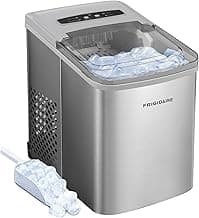
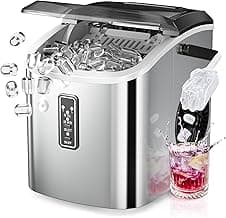
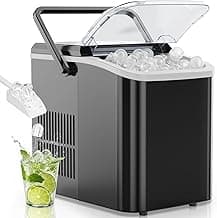
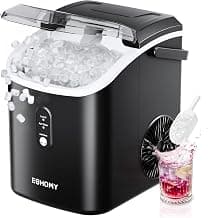
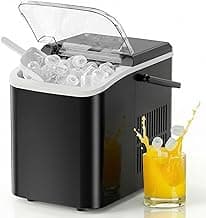
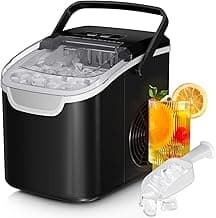
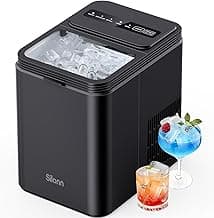
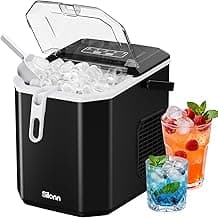
Most consumers mistake portability for performance. In the context of a mobile living space, the best ice maker for rv must prioritize a low startup amperage. Traditional compressors require a significant "surge" of electricity to initiate the cooling cycle, which can trip breakers in older campsites or strain solar-powered inverters. When evaluating these units as best gift ideas for him or any travel enthusiast, it is vital to look for "soft-start" compressor technology or high-efficiency DC-to-AC conversion compatibility. A machine that draws 200 watts but spikes to 1200 watts on startup is fundamentally incompatible with off-grid living.
Gifting tech is about more than specifications; it is about upgrading the recipient's window to the digital world, ensuring every frame is a testament to quality.
Furthermore, the physical footprint must be reconciled with "clearance physics." Most portable ice makers utilize air-cooled condensers. If the recipient intends to tuck the machine into a tight galley corner, the unit will suffer from thermal throttling. Without a minimum of 5-6 inches of ventilation space on all sides, the internal heat buildup will lead to "wet" ice—cubes that begin melting the moment they are formed. Understanding how to come up with good gift ideas involves anticipating these installation hurdles before the product is even unboxed.
Mechanical Breakdown: Bullet vs. Nugget Ice Systems
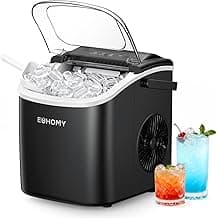
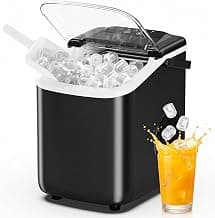
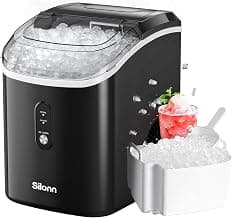
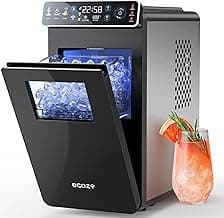
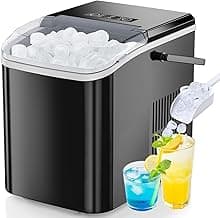
The internal mechanism of an ice maker dictates its longevity and user experience. Most portable units produce "bullet ice" by dipping refrigerated prongs into a water reservoir. This method is mechanically simpler and generally more durable for the road. However, for those seeking a premium experience, a best countertop ice maker nugget provides the porous, chewable ice found in high-end diners. From an engineering standpoint, nugget machines are significantly more complex, utilizing an auger to scrape ice off a cooling cylinder. While the texture is superior, these units are more prone to mechanical failure if not descaled regularly, especially when using the "hard" water often found at various campgrounds.
| Feature | Bullet Ice Maker (Standard) | Nugget Ice Maker (Premium) | Mechanical Impact on RV Life |
|---|---|---|---|
| Cooling Time | 6–9 minutes per batch | 15–20 minutes (continuous) | Bullet ice provides faster results after setup. |
| Power Draw | Lower (approx. 100-150W) | Higher (approx. 180-300W) | Nugget machines may strain small solar setups. |
| Noise Level | Moderate (Fan + Compressor) | Higher (Auger Grinding) | Critical for small RV interiors at night. |
| Repairability | Modular but often sealed | Complex internal gears | Nugget machines require more frequent maintenance. |
Principle of Multi-dimensional User Empathy: Segmenting the RV User
To identify the best ice maker for rv for a specific person, one must analyze their travel style. The "Weekender" needs a unit that can be quickly stowed; perhaps something as portable as a best car hand held vacuum for easy cleanup. Conversely, the "Full-Timer" requires an appliance with a high-capacity reservoir and robust insulation. It is a common misconception that portable ice makers are freezers; they are merely insulated coolers. Once the ice is made, it will eventually melt and recycle back into the reservoir unless moved to a dedicated freezer. For the elderly traveler with limited dexterity, a machine with a large, easy-to-grip basket and a "self-cleaning" cycle is not just a luxury—it is a necessity to prevent the growth of biofilm and mold in the water lines.
The Hidden Costs and BIFL (Buy It For Life) Philosophy
The "hidden cost" of any ice maker is scale. Calcium and magnesium deposits from well water at RV parks act as an insulator, forcing the compressor to work harder and eventually leading to premature motor burnout. In the Reddit repair community, the consensus is clear: machines that do not allow for easy access to the water pump and sensors are essentially "limited-life" products. When selecting the best ice maker for rv as a gift, verify the availability of replacement parts. A unit that is part of a what is a good experiential gift—like a summer of road-tripping—should be able to survive more than one season. Look for brands that offer 2-year warranties and have a history of honoring them for mobile users.
Advanced Maintenance for Longevity
Educating the gift recipient on maintenance is as important as the gift itself. Using distilled water or a dedicated inline filter will extend the life of a best camping ice maker by up to 300%. Furthermore, in a moving vehicle, the refrigerant in the compressor can become agitated. It is a strict mechanical rule that any portable ice maker must sit upright for at least 4 to 24 hours after a bumpy drive before being powered on. This allows the oil to settle back into the compressor, preventing catastrophic "dry start" failure.
Frequently Asked Questions (AEO-FAQ Framework)
Is an ice maker worth the space in a small RV?
Yes, because it frees up significant freezer volume that would otherwise be occupied by bulky ice trays, which are also prone to spilling during transit. By producing ice on demand, travelers can prioritize their limited freezer space for proteins and frozen meals, which is a more efficient use of the appliance's cubic capacity.
Can I run the best ice maker for RV on a 12V battery?
No, most high-output portable ice makers require a 110V-120V AC outlet, meaning you will need a power inverter if you are not plugged into shore power. While some small thermoelectric coolers exist, they cannot reach the sub-zero temperatures required to produce solid ice cubes in a reasonable timeframe; therefore, a compressor-based unit used with an inverter remains the standard for quality.
How do I prevent my RV ice maker from smelling?
Regularly run a cycle with a 1:1 ratio of water and white vinegar, followed by two cycles of fresh water, to eliminate mineral buildup and bacterial growth. Because RVs are often stored in humid environments between trips, the unit must be completely drained and towel-dried before storage to prevent the internal sensors and pumps from becoming compromised by mold.
What is the most common reason for ice maker failure?
The primary cause of failure is a combination of scale buildup and sensor malfunction caused by "cloudy" water. If the infrared sensor that detects a full ice basket becomes covered in mineral film, the machine will either stop producing ice entirely or overflow, potentially causing water damage to the RV's cabinetry. Choosing a unit with easy-to-clean sensors is a hallmark of a high-quality gift.
Ultimately, selecting the best ice maker for rv is about balancing the tactile joy of a cold drink with the mechanical realities of life on the road. Whether it is a gift for a dedicated boondocker or a casual camper, prioritizing electrical efficiency and ease of maintenance ensures the gesture remains a source of comfort rather than a technical burden. For more advice on high-utility items, consider looking into best anniversary gifts for guys who appreciate the intersection of engineering and outdoor adventure.