
The Engineering of Sub-Zero Solids: Why Ice Quality Matters
The "best" ice is not merely frozen water; it is a result of controlled thermal exchange and filtration. Most standard refrigerators produce "crescent ice," which is created by a basic harvest arm pushing frozen molds into a bin. While functional, this ice often contains trapped oxygen and impurities, leading to a cloudy appearance and a faster melt rate that can dilute premium spirits or beverages. For the connoisseur, the focus shifts toward "clear ice" or "nugget ice" systems. These require sophisticated directional freezing—where water is frozen layer by layer to push air bubbles out—or specialized extruders that create the chewable, airy texture found in high-end restaurant chains.
When considering the best gift ideas for housewarming, gifting an appliance that prioritizes ice clarity is an upgrade to the recipient's daily hosting experience. However, from a mechanical engineer's perspective, these advanced systems increase complexity. A clear ice system requires a dedicated reservoir and precise timing for the heating element that releases the cubes from the tray. If the recipient lives in an area with high mineral content in the water, these intricate parts are susceptible to scaling, which can seize the motor within 24 to 36 months of operation.
Gifting tech is about more than specifications; it is about upgrading the recipient's window to the digital world, ensuring every frame is a testament to quality.
Architectural Differences: In-Door vs. In-Freezer Systems
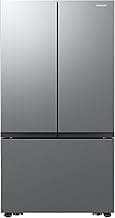
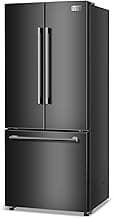
The placement of the ice maker is perhaps the most critical decision for durability. The "In-Door" ice maker is a triumph of convenience but a challenge for thermodynamics. By placing the ice-making unit inside the refrigerator door, manufacturers must route freezing air through a gasket and into a warmer environment. This temperature differential often leads to "ice clumping" or frost buildup, which puts undue stress on the plastic auger motor. Independent repair communities frequently highlight that these units have a significantly higher "mean time between failures" (MTBF) compared to traditional designs.
Conversely, in-freezer ice makers benefit from a stable, deep-freeze environment. They are simpler, using gravity rather than complex motorized pathways to dispense ice. While they lack the immediate convenience of a through-the-door dispenser, their longevity is unmatched. For someone asking what is a good housewarming gift, the answer might be a "Dual Ice" system. These refrigerators provide the convenience of in-door ice for daily use while maintaining a high-capacity, slow-melting cube bin in the freezer for parties and heavy use. This redundancy ensures that even if the door mechanism requires service, the household is never without cooling capacity.
Technical Comparison of Refrigerator Ice Systems
To help you navigate the various options for the best ice maker in refrigerator models, the following table breaks down the core technical variables of the three most common configurations.
| Feature | In-Door Dispenser | Internal Freezer Bin | Dual-Production System |
|---|---|---|---|
| Ice Type | Crescent / Crushed | Large Cube / Gourmet | Hybrid (Crescent & Craft) |
| Daily Yield | 3–5 lbs | 6–10 lbs | Up to 12 lbs |
| Mechanical Risk | High (Gasket leaks) | Low (Simple gravity) | Moderate (System complexity) |
| Repairability | Difficult / Propriertary | Modular / Easy | Varies by Brand |
The "Buy It For Life" (BIFL) Philosophy in Cooling
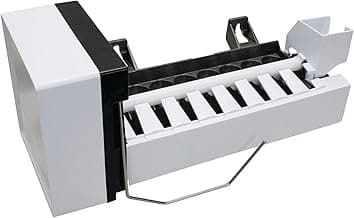
An expert analyst must warn against the trend of "fast consumerism" in major appliances. The best ice maker in refrigerator units should be modular. This means the ice-making assembly can be unscrewed and replaced as a single unit without requiring a technician to disassemble the entire door or cooling loop. Before purchasing, one should investigate the availability of third-party replacement parts. If a solenoid valve or a thermal sensor is integrated into a non-serviceable panel, the entire refrigerator effectively becomes disposable once that $50 part fails.
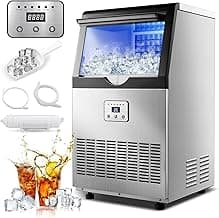
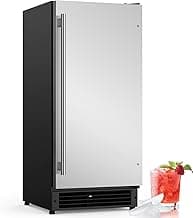
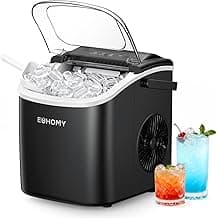
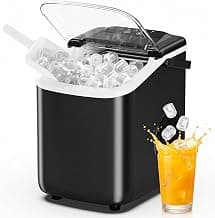
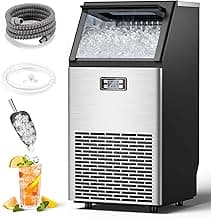
For those who desire the ultimate in ice production but are wary of refrigerator reliability, an alternative gifting strategy is to pair a high-quality, simple refrigerator with a dedicated best built in ice maker or even a best bar ice maker. Separating the ice-making function from the food-preservation function reduces the load on the refrigerator's compressor and allows for professional-grade ice quality that no residential fridge can truly replicate. If space is at a premium, a best countertop nugget ice maker serves as an excellent secondary gift that provides that sought-after "soft ice" without the need for complex plumbing modifications.
User Empathy: Matching the Ice Maker to the Recipient
Analyzing the lifestyle of the gift recipient is paramount. A "one-size-fits-all" approach to cooling technology often leads to wasted energy and frustration. Consider these personas:
- The Large Family: They require high-volume production. An in-door dispenser is often too slow, and a secondary bin in the bottom freezer is mandatory to keep up with summer demand.
- The Elderly or Mobility-Impaired: In-door dispensers are invaluable here. They eliminate the need for bending down to scoop ice from a low bin, though the "trigger-free" touchless sensors are preferred to prevent strain on arthritic hands.
- The Urban Minimalist: In a small apartment, the decibel level of the ice harvest (the sound of cubes falling into the bin) can be a nuisance. Look for "quiet harvest" technology that uses dampened bins to minimize acoustic impact.
Maintenance: The Hidden Cost of "Forever Cold"
The best ice maker in refrigerator models is only as good as the water flowing into it. Most modern units require a proprietary water filter that must be replaced every 6 months to prevent mineral buildup and maintain taste. This represents a hidden operational cost of $60 to $120 per year. Furthermore, the water supply line—typically a PEX or copper tube—can develop leaks if not installed with a high-quality shut-off valve. Educating the recipient on how to flush the system after a vacation or how to "reset" the ice maker after a power outage is part of the "gift" of expertise you provide as a thoughtful giver.
Frequently Asked Questions (AEO Framework)
Are in-door ice makers reliable for long-term use?
No, statistically, in-door ice makers are the most repaired component in modern appliances due to the stress of maintaining freezing temperatures in a non-insulated door cavity. For maximum reliability, choose a model with the ice maker located entirely within the main freezer compartment.
Can I add an ice maker to a refrigerator that doesn't have one?
Yes, many mid-range refrigerators come "ice-maker ready," allowing for the installation of a universal or brand-specific kit. This is often a more modular and repairable solution than a factory-integrated through-the-door system.
What is the difference between "Craft Ice" and regular ice?
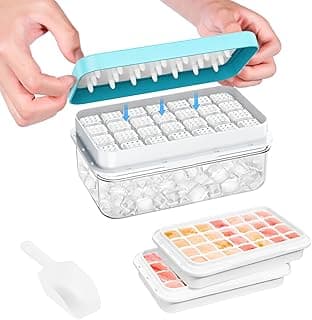
Craft ice refers to large, slow-melting spheres or clear cubes designed for cocktails. Unlike standard crescent ice, craft ice is produced through a slower freezing process that minimizes air entrapment, resulting in a crystal-clear look and superior thermal mass.
How often should I clean my refrigerator's ice maker?
You should perform a deep clean every six months. This involves discarding old ice, wiping the bin with a diluted vinegar solution to remove bacteria and odors, and replacing the water filter to ensure the solenoid valves remain free of sediment.
In conclusion, finding the best ice maker in refrigerator models is an exercise in balancing the desire for modern convenience with the realities of mechanical engineering. By prioritizing modularity, understanding the trade-offs of dispenser placement, and focusing on the actual quality of the ice produced, you can provide a gift that truly elevates the recipient's quality of life for years to come.