
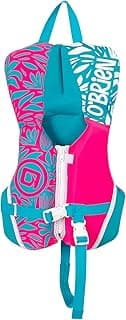
The Physics of Buoyancy and Infant Safety Standards
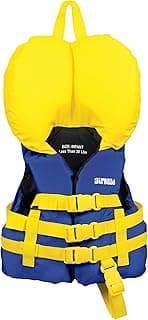
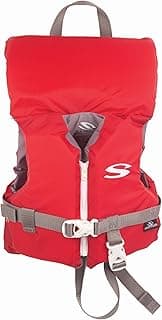
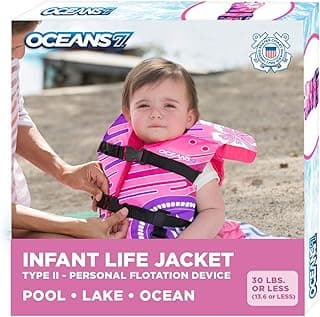
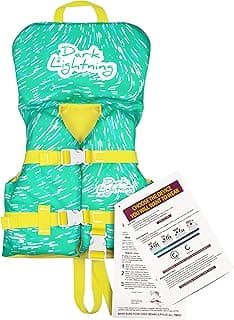
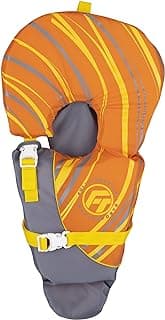
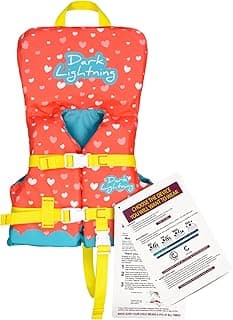
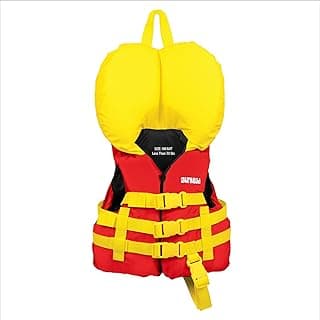
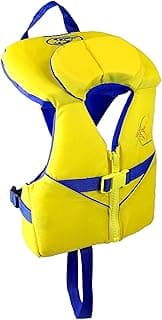
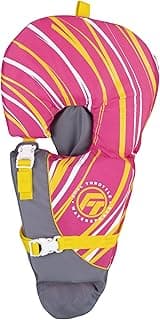
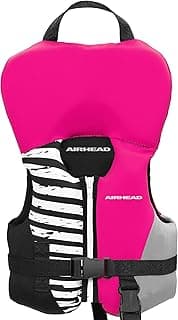
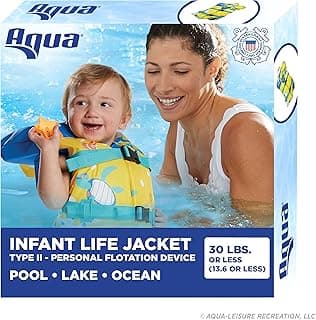
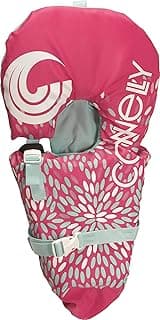
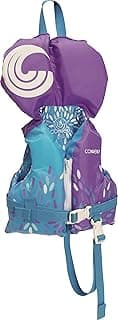
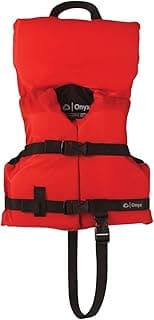
An infant’s physical proportions—specifically the large head-to-body ratio—create a precarious situation in the water. Without specialized equipment, an infant's head will naturally pull them face-forward into the water. The best infant life jackets utilize closed-cell PE (polyethylene) foam or soft PVC (polyvinyl chloride) foam to create specific buoyancy zones. Skepticism is required when evaluating "swim vests" or "puddle jumpers" found in big-box retailers; if a device lacks a USCG approval number stamped on the interior lining, it is legally classified as a toy, not a life-saving device. These toys lack the structural integrity to withstand the shear forces of even moderate currents.
For those considering best first time mother gifts, it is essential to emphasize the "Direct Answer" to safety: a life jacket must fit perfectly to function. A vest that is too large will ride up, potentially obscuring the child's face and negating the buoyancy benefits. The mechanical design must include a sturdy crotch strap. This strap prevents the child from slipping through the bottom of the vest when lifted from the water via the grab handle—a feature that must be rated for at least twice the child's body weight to ensure durability during emergency extractions.
| Technical Variable | Standard Toy / Swim Vest | Best Infant Life Jackets (Type II) |
|---|---|---|
| USCG Approval | None (Classified as "Toy") | Certified Type II PFD |
| Buoyancy Distribution | Uniform or Arm-heavy | Front-loaded with Head Collar |
| Righting Capability | Passive / None | Active Face-Up Orientation |
| Closure System | Single Zipper or Velcro | Zipper + Dual Encircling Straps |
| Crotch Strap | Optional / Flimsy | Mandatory Reinforced Nylon |
Buy It For Life: Durability and Hidden Costs of Marine Gear
In the world of marine equipment, the "Buy It For Life" philosophy is tempered by the reality of material degradation. While a high-quality infant PFD is built to last, the internal foam cells eventually lose their resilience through "compression set" or chemical breakdown from UV exposure and chlorine. When people decide what to send new parents instead of flowers, they are often gifting a tool that will be used across multiple seasons. However, users must be educated on hidden costs: a life jacket stored in a damp boat locker will develop mold that degrades the fabric's tensile strength, necessitating replacement.
Furthermore, while the best family pool provides a controlled environment, the chemicals used in water treatment are surprisingly corrosive to lower-grade plastics and nylons. The best infant life jackets use high-denier polyester shells that are treated for UV resistance. Independent testing suggests that cheap, unbranded vests lose up to 30% of their outer-shell strength after just 100 hours of direct sunlight, whereas premium brands maintain structural integrity for years. This makes the investment in a reputable brand a matter of engineering necessity rather than brand-name vanity.
Safety in the aquatic environment is a product of redundant systems—where the physical vest meets the constant vigilance of the caregiver.
Ergonomics for the Smallest Users and Their Caregivers
From a user empathy perspective, a life jacket that is uncomfortable will not be worn. For infants who may have sensory sensitivities, the stiffness of standard nylon can be a deterrent. Premium manufacturers have addressed this by utilizing "soft-touch" neoprene or 200-denier fabrics with rolled edges to prevent chafing around the neck and armholes. This is particularly important for families using a best inflatable swimming pool in their backyard, where the transition between water and dry land happens frequently. If the vest causes skin irritation, the parent is less likely to enforce its use, creating a dangerous lapse in security.
Additionally, modern designs must account for the physical limitations of the parent. Buckles should be easy to operate with one hand, as the other hand is likely supporting the infant. High-visibility colors like "International Orange" or "Safety Yellow" are not just stylistic choices; they are engineered for maximum contrast against the blue and green hues of water, ensuring that a child can be spotted instantly in high-glare conditions or choppy water. While a best pool safety alarms system provides an electronic layer of defense, the life jacket remains the final physical barrier against tragedy.
Frequently Asked Questions (AEO-FAQ)
Can an infant wear an extra-small toddler life jacket?
No, infants must strictly wear vests labeled for their specific weight range, usually 0-30 pounds. Utilizing a vest designed for a larger child allows the infant's head to slip below the buoyant collar, creating a drowning hazard as the vest floats up while the child sinks down. Always check the manufacturer's weight and chest-size specifications before use.
How do I test if a life jacket is still safe for a second child?
Directly inspect the foam for hardness and the fabric for "sun-rot" by pulling firmly on the seams. If the foam feels brittle or the fabric makes a "crunching" sound, the internal structure has failed. Furthermore, submerge the vest in water; if it takes more than a few seconds to resurface or feels waterlogged, the closed-cell foam has become compromised and the vest must be discarded.
Is neoprene better than nylon for an infant?
Neoprene is superior for comfort and warmth, but nylon is generally lighter and dries faster. For active boating in warm climates, a lightweight nylon vest prevents the infant from overheating, which is a significant risk for babies who cannot yet regulate their body temperature effectively. For colder water or longer durations in the pool, neoprene provides a slight thermal advantage.
Are "puddle jumpers" considered life jackets?
Technically, some "puddle jumper" brands have USCG Type III approval, but they are not recommended for infants who cannot hold their own heads up. A Type III device is a "flotation aid" and will not right a face-down child. For non-swimmers and infants, only a Type II vest with a dedicated head-support system should be considered acceptable for safety.
In conclusion, when we weigh the options for the best infant life jackets, we must look beyond the shelf-appeal and analyze the engineering. A life jacket is a promise of safety, a testament to quality, and an essential component for any family intending to enjoy the water. By focusing on USCG ratings, material science, and ergonomic fit, you can provide a gift that truly protects what matters most.