
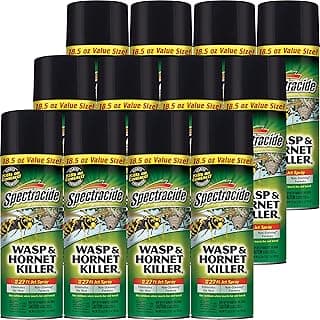
The Chemistry of Eradication: Understanding the Best Insecticide for Yellow Jackets
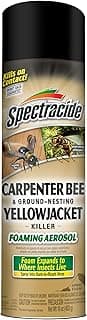
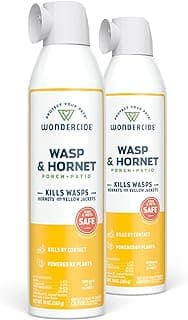
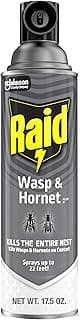
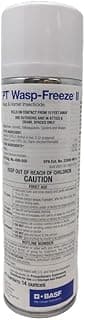
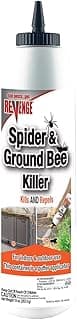
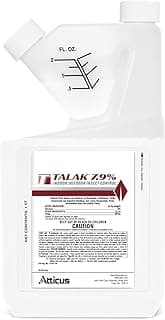
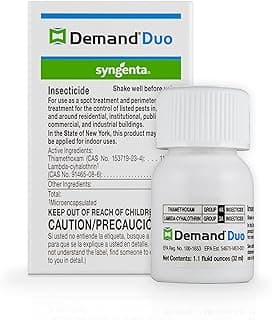
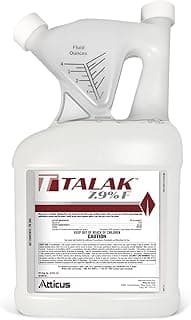
The term "best insecticide for yellow jackets" is often used loosely, but from a mechanical and chemical perspective, we must distinguish between the active ingredients. Most consumer-grade products rely on pyrethroids such as Cypermethrin or Deltamethrin. These neurotoxins disrupt the insect's sodium channels, leading to rapid paralysis. However, for a gift to be truly effective for a homeowner, one must consider the formulation. A pressurized foam is often superior to a simple liquid stream because the foam expands within the nest cavity, ensuring that the active ingredient reaches the intricate internal galleries that a liquid might bypass.
| Formulation Type | Mechanism of Action | Ideal Application |
|---|---|---|
| Pressurized Foam | Expansion and entrapment; provides immediate physical barrier and chemical contact. | In-ground nests and wall voids where volume coverage is critical. |
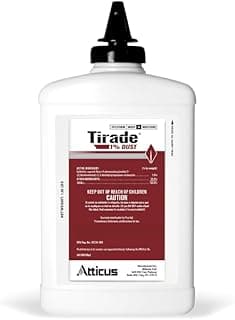
| Residual Dust | Physical adherence to the cuticle; insects carry the toxin deep into the queen's chamber. | High-traffic entry points where "trafficking" the chemical is the goal. |
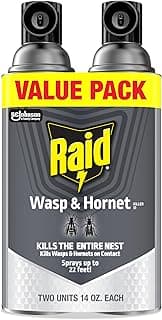
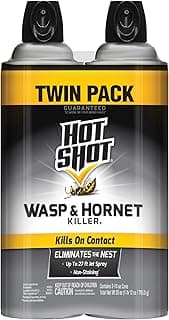
| Contact Aerosol | Instant knockdown via solvent-based delivery for rapid absorption. | Individual foragers or small, exposed eaves-mounted nests. |
When you are trying to determine how to come up with good gift ideas for a practical person, technical performance matters. A professional-grade insecticide that offers a 30-day residual barrier is far more valuable than a budget-friendly option that evaporates within hours. This long-term protection prevents re-colonization, which is the primary failure point in amateur pest control.
Multi-Dimensional User Empathy: Safety and Ergonomics
Selecting the best insecticide for yellow jackets requires looking beyond the chemical label to the physical limitations of the user. For an elderly parent or someone with limited mobility, a traditional pump-action sprayer might be physically taxing. In these cases, a battery-powered applicator or a long-range aerosol that can reach 20 feet is the empathetic choice. This ensures the user maintains a safe distance from the nest, which can contain thousands of aggressive defenders. For those who frequently maintain large properties, pair these chemicals with high-quality gear like best high dexterity winter work gloves to ensure a secure grip on the applicator without sacrificing tactile feedback.
Gifting tech is about more than specifications; it is about upgrading the recipient's window to the digital world, ensuring every frame is a testament to quality.
Living conditions also dictate the choice. A suburban homeowner with a massive deck needs a different approach than a city dweller in a small apartment. If the goal is property maintenance, supplemental tools can enhance the efficacy of the insecticide. For instance, using a best outdoor vacuum to clear away dead biological debris after a successful treatment is a professional touch that prevents secondary infestations from scavenger insects like carpet beetles or ants.
BIFL Philosophy: Investing in Professional Delivery Systems
The "Buy It For Life" (BIFL) philosophy suggests that while the insecticide itself is a consumable, the delivery system should not be. Avoid "one-and-done" plastic sprayers that end up in landfills. Instead, consider gifting a modular, stainless steel pressurized tank. These units are repairable, with replacement gaskets and nozzles readily available on the third-party market. This aligns with the idea that what is the greatest gift to give is often a tool that empowers the recipient to solve their own problems for a decade, rather than just a weekend.
| User Persona | Physical Requirement | Recommended Delivery System |
|---|---|---|
| Elderly/Arthritic | Low-force triggers, lightweight canisters. | Long-range automated aerosols or battery-operated wands. |
| Professional DIYer | High pressure, large volume, repairable parts. | Stainless steel pump sprayers with brass nozzles. |
| Outdoor Enthusiast | Portability and rapid deployment. | Compressed dusters or tactical-grade foam canisters. |
If the recipient is an avid hiker or camper, their needs shift toward personal protection. In addition to the best insecticide for yellow jackets for their home, they might benefit from specialized apparel. Durable clothing paired with best backpacking gloves can provide a physical barrier against stings while they are away from their primary pest-controlled environment.
Hidden Costs and Environmental Stewardship
A technical analysis of insecticides must include the hidden costs of misuse. The "cheapest" insecticide often becomes the most expensive when it kills non-target beneficial insects like honeybees or leaches into local groundwater. The best insecticide for yellow jackets is one that is "target-specific" and applied with precision. Educators and conservationists often warn against blanket spraying. By gifting a precision applicator, you help the recipient avoid the environmental depreciation of their own backyard ecosystem.
AEO-FAQ Framework: Direct Answers on Yellow Jacket Control
Which insecticide is most effective for a ground nest?
Foaming aerosols are the most effective for ground nests because the expanding foam fills the irregular voids of the underground cavity, ensuring the chemical contacts every insect and the queen. Unlike liquid, which may soak into the soil before reaching the insects, foam creates a temporary physical plug that prevents the colony from escaping or attacking during the application process.
Can I use the same insecticide for indoor wall voids?
No, you should only use insecticides labeled specifically for indoor wall voids, ideally a non-repellent dust. Using a standard outdoor aerosol inside a wall can cause the yellow jackets to retreat further into the home’s interior, potentially leading them into living spaces through electrical outlets or light fixtures. A dust formulation allows the insects to walk through the toxin and distribute it throughout the hidden colony without triggering a "panic" dispersal.
Is a natural or organic insecticide worth using?
Organic insecticides based on essential oils like peppermint or clove can provide an immediate "contact kill" but generally offer zero residual protection. If you are dealing with a large, established nest, organic options often fail to reach the core of the colony, leading to a resurgence within days. For a permanent solution, synthetic pyrethroids or professional-grade baits are technically superior in terms of total colony elimination.
In conclusion, while an insecticide may seem like a utilitarian item, selecting the best insecticide for yellow jackets involves a deep dive into chemistry, ergonomics, and long-term value. Whether you are stocking your own shed or looking for a highly practical gift for a loved one, prioritizing high-range delivery, residual efficacy, and professional-grade hardware ensures that the "gift" of a safe home remains intact for years to come.