



Understanding What Actually Changes: The Honest Physical Reality
Grip strength declines approximately 20-30% between ages 50 and 80. This isn't weakness or laziness—it's biology. The same hands that lifted toddlers and carried groceries for decades now struggle with vacuum handles designed for hands decades younger. Arthritis affects over 50% of adults over 65, making traditional vacuum grips genuinely painful rather than just uncomfortable.
Balance shifts as proprioception degrades. The unconscious body awareness that once prevented falls while vacuuming around furniture now requires conscious attention. Combine this with vacuum weight pulling forward, cords creating trip hazards, and furniture obstacles, and routine cleaning becomes legitimate fall risk. Hip fractures in adults over 65 carry mortality rates approaching 30% within one year—making "just be careful" inadequate advice when better tools eliminate risks entirely.
Endurance changes independent of fitness level. Cardiovascular efficiency decreases with age regardless of exercise habits. Activities manageable at 45 become exhausting at 70 not because someone stopped trying but because bodies change. A vacuum requiring sustained pushing effort exhausts older users quickly, transforming what should be 20-minute maintenance into hour-long ordeal requiring recovery periods.
Independence isn't about doing things the same way—it's about accomplishing necessary tasks without surrendering autonomy or dignity.
For adult children selecting best vacuum for seniors, understanding these physical realities transforms gift selection from patronizing to empowering. You're not highlighting deficiency—you're providing tools matching current capability while respecting lifetime competence. This frames differently than "you can't handle your old vacuum anymore." It positions as "this new design works better for everyone but especially benefits you given current needs."
Weight Reality: Why Every Pound Matters Exponentially
Standard upright vacuums weigh 15-18 pounds. For someone with full grip strength and solid balance, this feels manageable. For arthritic hands with weakened grip, 15 pounds becomes oppressive burden requiring both hands constantly engaged just maintaining control. The difference between 15-pound and 8-pound vacuum isn't proportional—it's transformative in actual use.
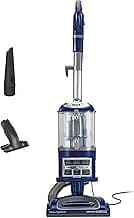
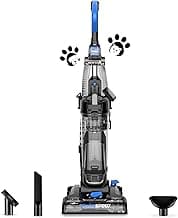
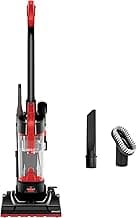
Lightweight doesn't mean flimsy or inadequate. Modern materials and motor engineering deliver excellent suction in compact packages. The best lightweight vacuum for seniors ranges 6-10 pounds while maintaining performance exceeding older 15-pound designs. This weight reduction comes from intentional engineering rather than cost-cutting—manufacturers specifically designing for users needing weight relief without compromising results.
Weight distribution matters nearly as much as total weight. Forward-heavy designs pull users off-balance constantly, requiring sustained resistance to prevent tipping. Well-balanced vacuums center weight over wheels rather than ahead of them—reducing effort needed for control dramatically. For recipients with balance concerns or those recovering from falls, weight distribution directly influences whether cleaning feels safe or risky.
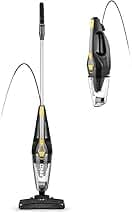
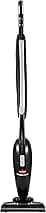
Stick vacuums and cordless designs eliminate weight entirely between cleaning sessions through vertical storage. No lifting from closets, no wrestling from storage areas, no carrying between floors. Wall-mounted charging stations position vacuums at optimal height for grabbing without bending. This storage accessibility often determines whether someone vacuums regularly versus abandoning routine because retrieval feels like project rather than simple task.
Self-Propelled Technology: Reducing Effort by 70%
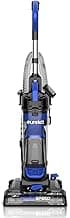
The best self-propelled vacuum for elderly users incorporates drive systems providing forward motion through motor power rather than user pushing. This technology, originally developed for commercial use, transforms cleaning from sustained physical effort into primarily steering activity. Users guide direction rather than providing motive force—reducing physical demand dramatically while maintaining control.
Electronic variable-speed control allows customizing drive power to user comfort. Some prefer gentle assistance; others want maximum power reduction. Adjustable drive accommodates different users without compromising performance for any. For households where multiple generations might use same equipment, or where recipient's capability fluctuates with arthritis flare-ups, this flexibility prevents equipment feeling either overly aggressive or insufficiently helpful.
Self-propelled systems particularly benefit users with hip or knee issues. Traditional vacuuming requires sustained push-pull motion stressing these joints repeatedly. Self-propelled designs eliminate this stress—users walk normally while steering rather than bracing and pushing with each step. For recipients post-joint replacement or managing chronic joint conditions, this distinction determines whether cleaning remains feasible versus becoming impossible without help.
However, self-propelled vacuums weigh more than manual equivalents due to drive system components—typically 14-16 pounds versus 8-10 pounds for manual designs. This creates selection tension: weight reduction versus effort reduction. For recipients with good grip strength but limited endurance, self-propelled makes sense. For those with grip challenges but adequate endurance, lightweight manual designs serve better. Understanding recipient's specific limitations informs appropriate choice rather than assuming one approach suits all older adults.
Who Benefits Most: Beyond Generic "All Older Adults"
Arthritis sufferers managing daily pain: Gripping traditional vacuum handles aggravates hand and wrist arthritis significantly. Lightweight designs with ergonomic cushioned grips reduce pressure points and required grip force. For recipients taking anti-inflammatory medications or managing pain through activity modification, appropriate vacuum design prevents cleaning from becoming pain trigger requiring medication or rest afterward. When considering thoughtful gifts for women managing chronic conditions, tools reducing daily pain demonstrate genuine understanding.
Recent fall survivors rebuilding confidence: After experiencing falls, anxiety about repeat incidents dramatically impacts daily activity willingness. Lightweight cordless vacuums eliminate trip hazards while reducing off-balance risks—helping recipients resume normal cleaning routines without fear paralysis that leads to dependency. This psychological dimension matters as much as physical capability restoration.
Individuals in assisted living or downsizing: Smaller living spaces suit compact storage solutions. Apartments or retirement community units lack utility closets for full-size vacuums. Stick designs store in corners or closets without dedicated space requirements. For recipients transitioning to smaller homes, appropriately-sized equipment prevents feeling equipment doesn't fit lifestyle rather than feeling lifestyle must accommodate equipment.
Those living alone maintaining independence: Without partners or family nearby for assistance, capability to manage home maintenance independently determines whether aging in place remains viable. Appropriate cleaning tools extend independent living years significantly—preventing premature moves to assisted living facilities through maintained home care capability. For adult children living distant from aging parents, enabling continued independence through appropriate tools provides peace of mind about parent wellbeing. Consider exploring other practical independence-supporting gifts for life transitions.
Cordless Freedom: Eliminating the Primary Fall Hazard
Vacuum cords cause approximately 3,000 emergency room visits annually in adults over 65—trips, entanglements, pulling hazards creating falls with serious injury potential. Cordless designs eliminate this risk completely. No cord management, no unplugging between outlets, no trailing hazard behind users unconsciously. This single feature reduces fall risk more than any other design element.
Modern lithium batteries provide 30-60 minute runtime—adequate for most senior living situations. Smaller homes or apartments clean completely on single charge. Larger homes clean in segments across multiple days rather than marathon sessions. This segmented approach actually benefits older users by preventing exhaustion from extended cleaning periods—15 minutes daily proves less taxing than 90 minutes weekly.
Battery anxiety—worry about charge depletion mid-clean—affects older users more than younger demographics. Clear battery indicators and wall-mounted always-charging storage eliminate this concern. Vacuum stays fully charged between uses without requiring remembering to charge. For recipients managing multiple health considerations and medications, eliminating additional mental load around equipment charging supports overall wellbeing rather than adding stress.
Cordless weight versus runtime trade-off requires consideration. Longer runtime requires larger batteries adding weight. For senior users, 30-minute runtime with 7-pound weight often serves better than 60-minute runtime at 10 pounds. Understanding recipient's home size and cleaning patterns informs appropriate runtime-weight balance rather than maximizing runtime regardless of weight penalty.
Handle Design and Grip Considerations
Ergonomic handles with multiple grip positions accommodate arthritis variations and changing comfort needs. Loop-style handles suit users with limited finger flexibility. Straight handles work for those needing wrist-neutral positions. The best vacuum for seniors with arthritis includes padded grips reducing pressure concentration—cushioning contact points that become painful during sustained use.
Trigger-style power controls require sustained grip pressure—exhausting arthritic hands quickly and limiting cleaning session length. Toggle switches or push-button controls eliminate sustained force requirements—single press activates, single press stops. For recipients with hand strength limitations, control interface design dramatically impacts usability independent of vacuum performance specifications.
Adjustable handle height prevents stooping that stresses backs and creates fall risk. Many seniors cope with reduced height through years of spinal compression—vacuums designed for average-height users force uncomfortable positions. Telescoping handles accommodate height variations and personal comfort preferences. For gifting, emphasizing adjustability communicates attention to recipient's specific needs rather than one-size-fits-all thinking.
Bagless vs Bagged: Maintenance Capability Matters
Bagless vacuums eliminate ongoing bag purchases but require dumping dust cups—exposing users to allergens and requiring fine motor control for cup release mechanisms. For arthritis sufferers or those with respiratory sensitivities, this trade-off favors bagged designs despite recurring costs. Bags contain debris better during disposal and eliminate exposure to dust clouds during emptying.
However, bag replacement requires remembering to purchase, storing extras, and managing replacement process. For older adults experiencing early cognitive changes or simply managing complex medication and appointment schedules, adding vacuum bag procurement to mental load creates abandonment risk. Equipment requiring regular purchasing decisions risks being abandoned when procurement friction exceeds usage motivation.
Some manufacturers offer subscription bag delivery—automatic shipments eliminating purchasing decisions. For recipients benefiting from this convenience or family members managing their household supply logistics, subscription services remove friction enabling continued equipment use. This service consideration transforms ongoing expense from burden into enablement. When considering practical gifts for mothers, addressing complete ownership experience rather than just initial purchase demonstrates thorough care.
Maneuverability and Steering Effort
Swivel steering reduces effort required for direction changes and furniture navigation. Fixed-wheel vacuums demand lifting or muscling around obstacles—exhausting for younger users, prohibitive for older adults with strength limitations. Ball-joint or swivel-neck designs pivot with wrist movement rather than arm strength—maintaining furniture avoidance capability without physical strain.
Low-profile designs access under furniture without bending or moving heavy pieces. Traditional vacuums require moving sofas, reaching under beds with attachments, or simply accepting dust accumulation in inaccessible areas. Slim designs reach these spaces during normal cleaning without special effort—maintaining thorough cleaning capability without requiring physical accommodation.
Turning radius specifications matter for small spaces common in senior living. Apartments, condos, or downsized homes feature tight quarters and furniture arrangements. Vacuums requiring wide turning arcs create navigation frustration—users abandon thorough cleaning for frustration avoidance. Tight-turning designs suit these environments specifically, enabling easy navigation rather than constant repositioning and furniture bumping.
Appropriate tools don't compensate for aging—they respect that bodies change while maintaining that capability and dignity persist.
Noise Levels and Hearing Considerations
Hearing loss affects approximately 50% of adults over 65. Loud vacuums create disorientation and communication barriers. Users can't hear doorbells, phones, or safety alarms while vacuuming—creating anxiety about missing important calls or emergencies. Quiet operation (under 70 decibels) reduces this isolation feeling while maintaining awareness of surroundings.
Noise anxiety particularly affects users with hearing aids. Loud vacuums force removing hearing aids during cleaning to prevent painful amplification—creating temporary deafness period causing legitimate safety concerns. Quiet vacuums eliminate this dilemma, allowing hearing aid use throughout cleaning for maintained environmental awareness. This consideration seems minor until experiencing the vulnerability of cleaning while effectively deaf.
Apartment and condo living creates neighbor consideration dimension. Older adults often vacuum during daytime weekday hours when working neighbors sleep post-night shifts. Loud equipment creates neighbor conflicts older users desperately wish to avoid. Quiet operation preserves good neighbor relationships while enabling cleaning at convenient times rather than restricting to narrow "acceptable noise" windows.
Maintenance Simplicity: The Adoption Sustainability Factor
Complex maintenance requirements doom equipment to abandonment regardless of initial capability match. Filter cleaning requiring disassembly, brush roll removal needing screwdrivers, belt replacement demanding technical knowledge—these barriers prevent proper maintenance leading to performance degradation and eventual abandonment. The best vacuums for seniors feature tool-free maintenance accessible without instruction manual consultation.
Clear visual indicators for required maintenance prevent neglect through uncertainty. When does filter need cleaning? Is brush roll tangled? These questions without obvious answers lead to either premature maintenance (annoying) or delayed maintenance (damaging). Indicator lights or color-change systems communicate maintenance timing clearly—enabling proper care without technical knowledge or guesswork.
For recipients living alone, maintenance assistance from family or services might occur monthly or quarterly rather than immediately when needed. Equipment tolerating maintenance delays without performance collapse proves more sustainable than sensitive designs requiring precise care schedules. Robust designs forgive imperfect maintenance—recognizing that life complexity sometimes prevents ideal equipment care without considering that equipment failure.
Budget Realities: Respecting Fixed Incomes
Many older adults live on fixed retirement incomes making expensive equipment purchases difficult regardless of need. Adult children often gift cleaning equipment recognizing parent's financial constraints prevent self-purchase despite necessity. This context requires sensitivity—framing gift as "wanted to help update your tools" rather than highlighting financial limitations creating potential embarrassment or obligation feelings.
Quality lightweight vacuums range $100-400 depending on features and cordless capabilities. This investment prevents cheaper alternatives requiring replacement within months—false economy costing more long-term while creating equipment reliability anxiety. For gift budgets, mid-range professional designs ($150-250) deliver reliability and appropriate features without flagship pricing suggesting excessive expense that might create recipient guilt.
Operating cost considerations matter on fixed incomes. Bagless designs eliminate ongoing bag purchases but may require filter replacements. Bagged designs need regular bag purchases but often have washable filters. For recipients sensitive to recurring expenses, understanding total ownership costs informs whether bagless or bagged suits their financial comfort better. This granular consideration shows respect for financial realities beyond just initial purchase affordability.
The Conversation: How to Present Without Offense
Many older adults resist acknowledging physical changes, viewing specialized equipment suggestions as implications of incapacity rather than helpful tools. Presenting lightweight vacuums requires finesse avoiding "you can't handle your current vacuum" messaging that triggers defensive resistance. Instead, frame around universal benefits: "These new designs are so much easier—I got one too and love how light it is."
Emphasize technology advancement rather than capability decline. "Vacuum technology has improved so much—these new ones are lighter and more effective than older designs we both grew up with." This positions purchase as equipment upgrade rather than accommodation, removing capability implications while still providing needed features. The psychology of presentation determines whether gift gets embraced or resented.
Involve recipient in selection when possible. "I want to get you a new vacuum and found these options—which appeals to you?" Maintaining decision-making agency prevents gifts feeling like imposed solutions stripping autonomy. For recipients particularly sensitive about independence, collaborative selection demonstrates respect while still guiding toward appropriate options rather than allowing choices that won't serve actual needs.
When Self-Propelled Makes Sense vs When Lightweight Wins
Self-propelled advantages: reduced pushing effort, excellent for carpet cleaning, beneficial for those with endurance limitations but adequate grip strength. Disadvantages: added weight (14-16 pounds typically), more complex maintenance, higher cost ($250-500 range). For recipients managing primarily carpeted homes or those with hip/knee issues making pushing difficult, benefits justify drawbacks.
Lightweight manual advantages: minimal weight (6-10 pounds), simpler maintenance, lower cost ($100-250), better for users with grip limitations. Disadvantages: requires user to provide all motive force, less suitable for thick carpets. For recipients in apartments or homes with primarily hard floors, or those with arthritis making grip challenging, manual lightweight designs serve better.
This isn't either-or binary—it's matching tool to specific user needs. For gifting, understanding recipient's home layout, primary flooring types, and specific physical limitations informs which approach serves better. Sometimes the answer involves providing both options—lightweight cordless for daily quick cleaning, self-propelled for thorough weekly sessions. Complete solutions cost more but address full cleaning need spectrum rather than forcing single tool to do everything adequately versus anything excellently.
Safety Features Beyond Weight and Cordless Design
Automatic shutoff prevents motor burnout if brush roll jams—protecting equipment and eliminating fire hazards. Older adults sometimes don't notice performance changes indicating problems, continuing use despite issues younger users would address immediately. Safety shutoffs prevent small problems becoming dangerous situations through continued operation past safe parameters.
LED headlights illuminate shadows and under-furniture areas—fall prevention through improved visibility. Older eyes require more light seeing clearly. Vacuums lighting path ahead enable spotting obstacles (pets, shoes, cords if corded vacuum) preventing trips. This seems trivial until considering how many falls result from not seeing hazards in shadows or under furniture edges.
Cool-touch exterior surfaces prevent burns if users touch vacuum body during or immediately after use. Older skin shows increased sensitivity and decreased healing—minor burns that wouldn't bother younger users cause more serious injury in older adults. Heat shields and insulated housings protect users from accidental contact with hot motors or exhaust areas during operation or immediately after shutdown.
Alternative Approaches: When Traditional Vacuums Don't Work
Robot vacuums eliminate manual cleaning entirely—appropriate when even lightweight vacuums prove too demanding physically. These suit recipients needing floor cleaning but genuinely unable to manage any manual vacuum operation. However, robots require different maintenance (emptying bins, cleaning sensors) and may frustrate users unfamiliar with robotic navigation quirks. For those interested in automation, explore how specialized robot vacuums match different household needs.
Professional cleaning services provide alternative to equipment altogether. For recipients who resist acknowledging equipment needs or those whose capability has declined below what any consumer vacuum accommodates, regular cleaning service preserves clean homes without equipment struggles. This costs $80-150 monthly typically—substantial but often worth independence maintenance and fall risk reduction.
Combination approaches—robot for daily maintenance, lightweight manual for spot cleaning, service for deep cleaning—create sustainable solutions when no single approach addresses all needs. For adult children managing aging parents' needs, layered solutions accommodate capability fluctuations better than single-solution approaches assuming consistent capability levels.
Timing Considerations: When Equipment Updates Become Necessary
After falls or near-falls during cleaning: Equipment clearly contributing to balance risks requires immediate replacement. Waiting for actual injury proves negligent when fall signs appear. This timing requires sensitivity—highlighting safety concern rather than capability judgment. "I worry about that heavy vacuum around all those cords—let's upgrade to something safer" positions around objective hazard rather than personal limitation.
Arthritis flare-ups or diagnosis: New diagnosis or disease progression create windows where equipment updates feel logical rather than sudden. "Now that doctor confirmed arthritis progression, let's look at tools making daily tasks easier" connects directly to medical reality rather than appearing as unsolicited intervention. Medical context provides external validation reducing defensiveness.
Moving or downsizing: New living situations justify new equipment naturally. "Fresh start in new place—let's make sure you have tools fitting your space" frames purchase around environment rather than capability. This timing eliminates perception that physical decline drives equipment change, attributing it instead to practical space considerations.
Post-hospitalization or recovery periods: Returning home after medical events creates acceptance windows for accommodation equipment. "While you're recovering, this lighter vacuum will be easier until you're back to full strength" implies temporary need even if reality suggests permanence. Face-saving framing enables equipment acceptance without forcing acknowledgment of potentially irreversible changes. For related health-focused solutions, consider how specialized cleaning tools address wellness beyond just floor care.
The Pride Factor: Maintaining Dignity Through Independence
Home cleanliness connects directly to self-image and dignity for generations raised with specific homemaking standards. Inability to maintain homes to personal standards creates shame and depression—not vanity but genuine self-worth impact. Tools enabling continued home maintenance preserve mental health through maintained capability and pride in living environment.
Visible equipment accommodations sometimes embarrass recipients despite practical benefits. Oversized-grip handles, mobility-focused designs, "senior-specific" branding can feel stigmatizing. Mainstream designs incorporating accessible features without appearance changes prove less threatening psychologically. Marketing matters—tools presented as "premium lightweight design" versus "elderly-friendly vacuum" create different emotional responses despite identical functionality.
Competence validation matters more than sympathy. Acknowledging "you've maintained this home beautifully for decades—these new tools will help you continue that" emphasizes capability continuation rather than deficit accommodation. The psychological framing transforms potentially offensive "you need help" into validating "you deserve tools supporting continued excellence." This distinction determines gift reception quality regardless of equipment appropriateness.
The goal isn't managing decline—it's enabling continued capability with tools matching bodies that have earned every year they've lived.
Installation and Ongoing Support
Assembly service prevents initial use barriers. Many lightweight vacuums ship requiring handle attachment or battery installation—simple for tech-comfortable users, intimidating for others. Assembling before gifting or arranging assembly service ensures recipient faces ready-to-use equipment rather than box of parts triggering anxiety or delayed adoption. This completion demonstrates thoroughness rather than just purchasing featured item.
Charging station installation in accessible location enables sustainable use. Wall-mounted docks require finding appropriate walls, testing stud locations, comfortable drilling for older adults often living in rentals prohibiting wall damage. Installing during gift presentation or hiring handyman for installation removes adoption barriers that might doom excellent equipment to closet storage because "I haven't gotten around to mounting it yet."
Periodic check-ins about maintenance needs demonstrate ongoing care. Monthly calls including "How's the new vacuum working? Do you need bags/filters?" keeps equipment functional through attention preventing neglect. For adult children managing aging parents from distance, these equipment check-ins provide natural conversation starters revealing broader home maintenance needs or capability changes requiring attention. The vacuum becomes proxy for overall wellbeing monitoring rather than just cleaning tool.
The Long View: Tools Supporting Aging in Place
Aging-in-place success depends on maintaining home independently as long as possible. Each accommodation tool enabling continued capability extends independent living—delaying or preventing moves to assisted living facilities that cost $4,000-7,000 monthly. A $250 vacuum enabling two additional years of independent living "saves" $96,000-168,000 in facility costs beyond the immeasurable value of maintained independence and familiar surroundings.
This economic reality makes appropriate equipment investments remarkably cost-effective beyond just cleaning capability. For adult children calculating long-term care costs and options, preventive investments enabling extended independent living prove fiscally wise beyond being emotionally preferred. The vacuum isn't just cleaning tool—it's independence infrastructure with significant financial implications for family planning.
However, equipment represents only one factor in aging-in-place success. No vacuum solves inadequate home safety, social isolation, or medical access limitations. Appropriate equipment supports sustainable independence alongside other necessary accommodations. Realistic assessment of whether someone can age successfully in place should consider complete situation rather than assuming any single tool enables indefinite independence regardless of other circumstances.
What Success Actually Looks Like
Success isn't parents ecstatically thanking you for life-changing gift. It's not immediate adoption with dramatic capability improvement. Success looks like: continued home cleanliness without exhaustion, sustained independence without depending on others for basic cleaning, maintained dignity through capability continuation, reduced fall anxiety enabling confident home navigation. These subtle outcomes accumulate over months into meaningful quality-of-life preservation.
Initial resistance or minimal enthusiasm doesn't indicate gift failure. Many older adults resist acknowledging changing needs—acceptance comes gradually through repeated positive experiences rather than immediate gratitude. Your gift plants seeds enabling independence continuation that might not be verbally acknowledged for months or years. Sometimes "I guess it works fine" represents substantial success for recipients unable to emotionally acknowledge assistance acceptance.
Measure success through sustained equipment use rather than recipient enthusiasm. If vacuum sees regular use—evidenced by clean homes during visits—it succeeded regardless of verbal acknowledgment. If equipment sits unused, reassess whether selection matched actual needs or presentation triggered resistance requiring different approach. Success metrics for aging-support gifts differ from traditional gifts—utility and sustained use trump immediate excitement or gratitude expression.
Beyond Vacuums: Complete Home Maintenance Support
Appropriate vacuum selection represents single component in supporting aging independence. Lightweight mops, reacher-grabbers for high surfaces, electric scrubbers for bathrooms—complete toolkit enables sustained home maintenance across all tasks, not just floor cleaning. Building comprehensive support through multiple practical gifts creates infrastructure enabling independence rather than providing single-point solutions leaving other tasks unaddressed.
For families supporting aging relatives, coordinating practical gifts across multiple occasions creates sustained support narrative. Birthday brings vacuum, Christmas brings reaching tools, next birthday brings bathroom cleaning aids. This progression demonstrates ongoing commitment to independence support rather than single dramatic gesture that might feel overwhelming or draw attention to multiple capability limitations simultaneously.
If exploring broader practical support gifts, consider how various thoughtful practical items work together supporting overall independence rather than addressing isolated needs. Complete systems prove more valuable than expensive single solutions, building sustainable capability across multiple daily activities rather than solving one problem excellently while others remain barriers limiting overall independence success.
Gifts are for making an impression, not just for the sake of it.
GiftsPick - Meticulous, Kind, Objective.