

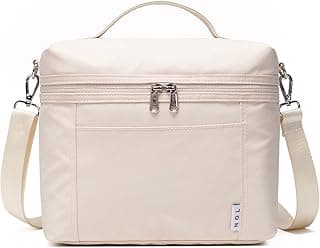
The Hidden Cost of Convenience
Buying lunch daily seems harmless in isolation. Twelve dollars here, fifteen there—individual purchases feel manageable. But aggregate them across months and the pattern becomes stark. Women especially face this compound drain because office food culture often centers around going out, making staying in feel antisocial or insufficiently ambitious. The social pressure to participate combines with convenience to drain thousands annually from budgets that could serve other priorities.
Restaurant portions and ingredients serve profit margins, not your health. Excessive salt, hidden sugars, portions sized to justify pricing rather than satisfy hunger without waste. Even "healthy" options from chains often pack more calories and less nutrition than home-prepared equivalents. The control you gain through bringing food extends beyond money into actually knowing what you're consuming and how it makes you feel.
Time calculations favor bringing lunch too, despite conventional wisdom suggesting otherwise. Ten minutes packing food at home versus thirty minutes leaving office, ordering, waiting, eating, returning—the commute to food often exceeds preparation time. Plus you're not tied to specific lunch windows or restaurants' schedules. That flexibility alone justifies the minimal effort packing requires.
Who Needs This System Most
Women managing health conditions through diet need reliable food access that restaurants don't provide. Allergies, diabetes, digestive issues, or simply trying to eat better—control over ingredients becomes non-negotiable. Bringing lunch stops being preference and becomes necessity. For women managing age-related dietary needs, dependable lunch equipment supports health maintenance that restaurants actively undermine.
Teachers and healthcare workers face particularly difficult lunch situations. Limited time, no nearby options, restrictions on leaving premises—these professionals need food systems that work within impossible constraints. A quality lunch bag paired with meal prep becomes the difference between eating properly and skipping meals entirely because circumstances won't allow alternatives. Gifts for teachers that acknowledge these practical realities demonstrate real understanding of their work conditions.
New mothers returning to work balance pumping schedules with eating needs while rebuilding routines disrupted by infants. Bringing lunch removes one decision from days already overwhelming with new variables. The lunch bag becomes tool for reclaiming control when everything else feels chaotic. For first-time mothers navigating this transition, practical support beats symbolic gestures every time.
The best life improvements aren't dramatic transformations—they're small systems that remove daily friction and accumulate into meaningful change.
Anyone trying to save money without feeling constantly deprived benefits from lunch systems that work. Bringing food from home shouldn't feel punitive or sad. Quality lunch bags that keep food fresh, protected, and appealing enable savings that feel smart rather than sacrificial. That psychological difference determines whether cost-cutting measures actually stick or get abandoned after brief willpower-driven attempts.
The Gift of Sustainable Self-Care
Giving someone a lunch bag says: your daily wellbeing matters enough to invest in systems supporting it. You're not criticizing her spending or eating habits—you're providing tools that make healthier, more economical choices actually feasible. That practical support for positive habits demonstrates care that extends beyond occasions into everyday life quality.
There's permission embedded here too. Women often resist buying "luxury" versions of utilitarian items for themselves, defaulting to whatever's cheapest. Receiving a quality lunch bag provides external validation that yes, equipment making daily life better deserves proper investment. Someone else decided this matters, making it easier to use and appreciate rather than feeling guilty about the expense.
For friends committed to better habits, lunch bags support stated intentions through practical infrastructure. She's mentioned wanting to eat healthier, save money, or prepare meals more—here's equipment enabling those goals instead of just encouraging them. That tangible support for aspirations often means more than verbal cheerleading ever could.
Insulation That Actually Preserves Food
Temperature maintenance determines whether lunch bags work or fail. Food sitting at room temperature for four hours isn't just unappetizing—it's potentially unsafe. Quality insulation keeps cold foods cold and prevents bacteria growth that causes foodborne illness. This isn't optional feature—it's baseline requirement separating functional lunch bags from decorative ones that don't actually protect food.
Thickness matters less than insulation type. Foam insulation provides decent performance at budget prices. Aluminum foil lining reflects heat while remaining thin. Vacuum insulation delivers maximum temperature retention but adds cost and weight. Matching insulation capability to actual lunch duration and food types ensures adequate protection without overpaying for performance exceeding your needs.
Ice packs or gel packs extend cold retention significantly. Lunch bags designed to accommodate these cooling aids work better than those relying solely on insulation. The combination of quality insulation plus ice pack keeps perishables safe even during long work shifts or warm weather when passive insulation alone falls short. That redundancy provides peace of mind about food safety.
Organization That Prevents Disasters
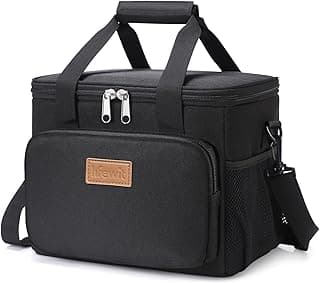
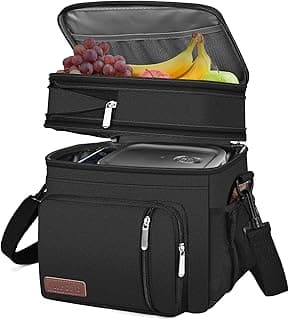
Compartmentalization stops the mixed-together mess that makes lunch unappetizing. Separate spaces for sandwiches, snacks, utensils, drinks prevent flavor transfer and crushing. Nobody wants to open their bag and find smashed food, leaking containers, or everything tumbled into unidentifiable heap. Strategic pockets maintain the organization you packed with instead of requiring reassembly before eating.
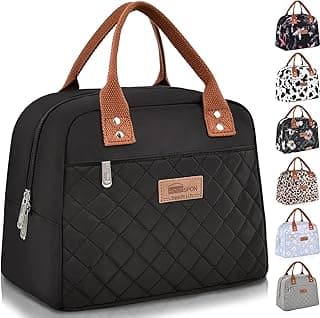
Exterior pockets for non-food items keep phones, keys, and wallets away from potential food spills. These items get grabbed frequently throughout the day—having them accessible without opening the insulated compartment prevents unnecessary temperature loss. That thoughtful separation of food from personal items shows design considering actual use rather than just aesthetics.
Water bottle holders integrated into bag design prevent the condensation-soaking-everything problem external bottles cause when stuffed into bags without proper accommodation. Bottles need dedicated space that isolates moisture while keeping them secure during transport. This specific provision for hydration alongside food demonstrates complete meal-carrying systems thinking.
Size Matching to Actual Appetite
Lunch bags range from compact single-container holders to multi-meal totes. Most women need middle-ground options accommodating main dish, side, snack, and drink without excess capacity inviting overpacking. Too small forces inadequate portions or multiple trips. Too large encourages bringing unnecessary food or looks excessive when actually full.
Expandability provides flexibility for varied lunch sizes. Some days require just sandwich and apple. Others need full meal prep with multiple containers. Bags with expandable sections or compression features adapt to actual load rather than forcing consistent packing regardless of appetite or availability. That versatility serves changing needs better than fixed capacity optimized for average that rarely matches reality.
Collapsibility matters for storage when not in use. Lunch bags live at work, in cars, or get stashed in other bags during commutes. Designs that fold flat when empty minimize storage space requirements, preventing the bulky-when-empty problem that makes people abandon bringing lunch because the bag itself becomes inconvenient burden.
Equipment that adapts to you works better than equipment forcing you to adapt to it.
Professional Appearance Standards
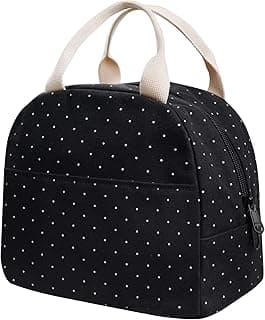
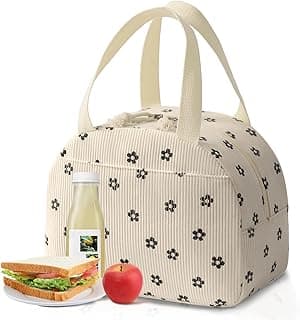
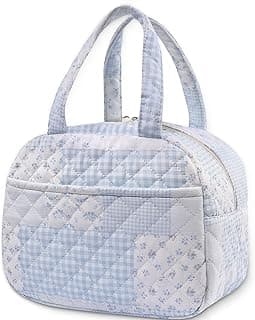
Lunch bags that look like children's lunchboxes undermine professional presentation. Women in business environments need options that don't clash with polished appearance standards. Leather or leather-look exteriors, neutral colors, structured shapes that resemble totes more than obvious food containers—these design elements enable bringing lunch without appearing unprofessional or overly casual.
The ability to pass as regular bag matters in client-facing roles. Sometimes you need to carry lunch through lobbies or meetings where obvious food containers seem inappropriate. Bags designed to look like standard totes or small briefcases maintain professional camouflage while delivering insulation and organization food transport requires. That discretion enables bringing lunch in contexts where obvious lunch boxes would feel awkward.
Building Complete Meal Systems
Quality food containers that fit the bag properly complete the system. Leakproof containers prevent spills that ruin bags and other belongings. Stackable designs maximize space usage. Microwave-safe materials allow reheating without transferring food. The lunch bag provides transport and insulation; containers provide organization and protection. Together they create infrastructure making packed lunches actually work consistently.
Reusable utensils, napkins, and small accessories eliminate constant disposable purchasing while reducing waste. Sets designed specifically for lunch bags include carrying cases preventing loose utensils from poking through food or getting lost. This completeness transforms bag from container into portable meal station requiring nothing beyond what you pack.
Pairing lunch bags with quality everyday totes creates carry systems accommodating both professional and practical needs. The lunch bag handles food transport; the tote handles work essentials. Used together, they enable complete life management without awkward combining of incompatible items in single bags not designed for mixed use.
The Financial Reality Check
Quality lunch bags cost $25-60. Expensive until you calculate savings from bringing lunch instead of buying. Save eight dollars daily through home lunch versus purchased lunch, and the bag pays for itself in one week. Every subsequent use represents pure savings that compounds into hundreds annually. The bag isn't expense—it's investment delivering measurable returns through prevented spending.
The habit enabled matters more than the bag itself. Even basic insulated bags improve likelihood of consistently bringing lunch by making the process workable. But quality bags that actually keep food safe, organized, and presentable increase consistency further by eliminating the frustrations that cause abandonment of money-saving intentions. That sustained behavior change delivers value far exceeding the bag's purchase price.
Supporting Better Daily Choices
Lunch bags enable meal planning that prevents the decision fatigue leading to poor choices. When lunch is already packed, you're not standing hungry in front of menus making decisions based on immediate cravings rather than health goals. That removed temptation and eliminated decision-making preserves willpower for challenges that actually matter instead of depleting it on routine lunch choices.
The visibility of prepared lunch creates accountability. It's harder to ignore food you already prepared in favor of takeout. The sunk effort of packing creates psychological commitment that purchased meals don't require overcoming. This gentle pressure toward following through on intentions helps bridge the gap between goals and actions that good intentions alone rarely sustain.
For women trying to establish healthier routines, lunch bags provide tangible starting point. Meal planning and preparation might feel overwhelming as complete lifestyle change. But simply bringing lunch from home requires manageable effort while delivering noticeable benefits—financial savings, better nutrition, increased energy. That accessible entry into health improvement often catalyzes broader positive changes.
Years from now, calculating money saved through consistent lunch bringing might reveal thousands of dollars redirected toward things that actually matter—vacations, debt reduction, savings, experiences deserving those funds more than forgettable daily takeout. The lunch bag didn't create those savings alone, but it enabled the habit that generated them. That quiet infrastructure supporting better choices proves its value through sustained behavior change rather than dramatic transformations.
Gifts are for making an impression, not just for the sake of it.
GiftsPick - Meticulous, Kind, Objective.