

The Engineering of Scentless Protection
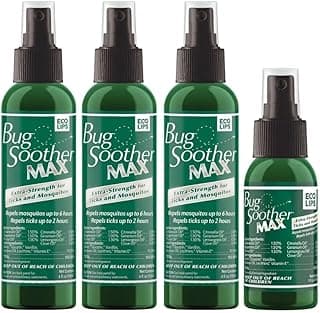
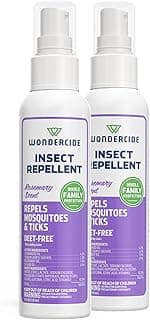
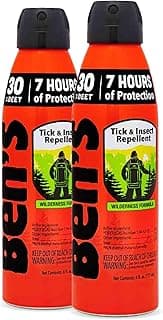
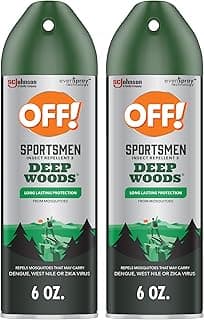
From a mechanical and chemical engineering perspective, the primary challenge of repellent technology is the delivery mechanism. Traditional DEET-based products, while effective at a molecular level for disrupting mosquito receptors, present a significant risk to hunting equipment. DEET is a solvent that can cause the plasticization of synthetic materials, potentially damaging the finishes on high-end bows, stocks, or the seals in best active ear protection devices. When considering how to come up with good gift ideas for an outdoorsman, one must look toward modern alternatives like Picaridin or spatial repellent systems.
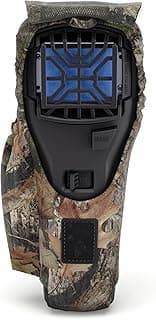
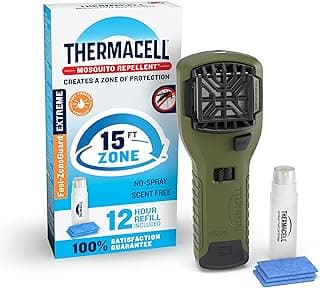
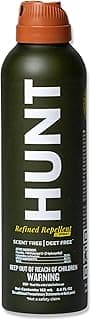
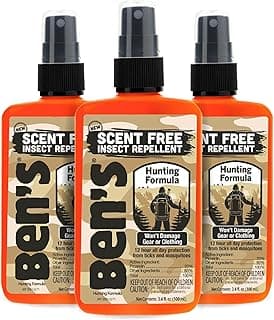
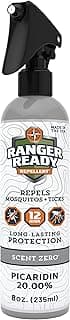
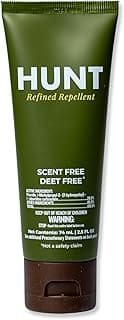
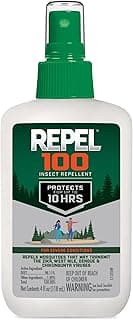
Picaridin, a synthetic version of piperine found in pepper plants, offers a distinct advantage: it is odorless to the human nose and lacks the corrosive properties of DEET. However, even "odorless" topicals may contain trace stabilizers that a whitetail deer’s olfactory system can detect under specific thermal and wind conditions. This is why spatial repellent systems—devices that create a zone of protection through the controlled heating of repellent-infused mats—have become the gold standard in the field. These systems use a butane-powered or battery-operated heating element to disperse Allethrin, a synthetic copy of a natural repellent found in chrysanthemum flowers.
Gifting tech is about more than specifications; it is about upgrading the recipient's window to the digital world, ensuring every frame is a testament to quality.
Analyzing Spatial vs. Topical Repellents
When evaluating the best mosquito repellent for hunting, the choice between topical applications and spatial devices depends heavily on the hunting style. A hunter in a stationary tree stand has different requirements than one stalking through dense brush. Spatial devices require a stable microclimate to maintain their protective "bubble." In wind speeds exceeding 10 miles per hour, the efficacy of a spatial plume is significantly reduced as the active ingredient is dispersed too rapidly to form a barrier.
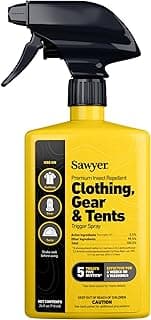
For the hunter who is constantly on the move, topical treatments for clothing, such as Permethrin, are superior. Permethrin is not a repellent in the traditional sense; it is an insecticide that bonds to the fibers of the fabric. It remains effective through multiple wash cycles and provides a secondary line of defense against ticks and mites, which is essential when navigating overgrown terrain. This technical layering of protection is a hallmark of an experienced woodsman.
| Technology Type | Active Ingredient | Scent Profile | Mechanical Failure Risk | Equipment Safety |
|---|---|---|---|---|
| Spatial Device | Allethrin | Undetectable (Low) | Igniter or Battery failure | High (No contact) |
| Topical Spray | Picaridin | Low | None (Manual) | High (Non-corrosive) |
| Clothing Treatment | Permethrin | Neutral (Once dry) | None | High (Fiber bonding) |
| Traditional Spray | DEET | High (Chemical) | None | Low (Solvent properties) |
Multi-dimensional User Needs: From the Stand to the Stalk
The "Buy It For Life" (BIFL) philosophy is particularly relevant here. Many hunters are moving away from disposable aerosol cans in favor of refillable spatial units or heavy-duty pump sprays. For an older hunter or those with limited dexterity, a simple push-button spatial device is far more ergonomic than applying a topical lotion in the cold. When researching best birthday gift ideas, consider the recipient's physical comfort. A device that minimizes skin irritation while maximizing field time is an invaluable asset.
Furthermore, we must address the hidden costs of operation. While a spatial repellent device may have a modest upfront cost, the proprietary fuel cartridges and repellent mats represent an ongoing operational expense. Expert hunters often look for systems that use standardized fuel sources or have high-efficiency heating elements to maximize the lifespan of each refill. This technical scrutiny ensures that the gift remains a functional tool rather than a storage-room relic.
Stealth and Scent Management
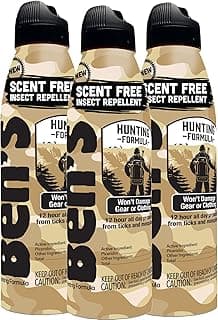
In the hierarchy of hunting gear, scent control is paramount. Even the best mosquito repellent for hunting is useless if its chemical signature alerts the prey. Manufacturers of premium hunting repellents now focus on "earth scents" or completely scent-free formulations. For someone asking what is someone that loves technology in the hunting world, the answer often lies in these advanced chemical delivery systems that mask or neutralize the human scent while simultaneously repelling insects.
Pairing a repellent with other high-tech gear, such as best hunting ear protection or a best compass for hunting, creates a comprehensive kit that respects the complexities of the wilderness. A gift that addresses the physical challenges of insects allows the hunter to maintain focus on the task at hand, increasing both safety and success rates in the field.
Sustainability and Long-term Field Use
The environmental impact of repellents is a growing concern within the hunting community. DEET and certain synthetic pyrethroids can be toxic to aquatic life if washed into streams. Responsible hunters prefer products like Picaridin, which has a lower environmental toxicity profile. Additionally, the move toward rechargeable battery-powered spatial devices reduces the waste associated with single-use butane canisters and aerosol cans. This shift toward modular, rechargeable technology aligns with modern standards of conservation and ethical hunting practices.
Frequently Asked Questions
Is DEET safe to use on expensive hunting clothing?
No, DEET should be used with extreme caution on synthetic hunting gear. As a powerful solvent, DEET can dissolve or weaken synthetic fibers like polyester, nylon, and spandex, and it can permanently damage the specialized waterproof membranes found in high-end outerwear. For treated fabrics, Picaridin or Permethrin are significantly safer alternatives that do not compromise the structural integrity of the garment.
Can deer smell mosquito repellent?
Yes, deer have an olfactory system that is thousands of times more sensitive than a human's. While a repellent may be marketed as "scent-free" to humans, it may still have a chemical "shine" that deer can detect. To mitigate this, hunters should use spatial repellents that are specifically designed for hunting or apply topical repellents well before entering the woods to allow the carrying agents to evaporate.
Do spatial repellent devices work in the wind?
No, spatial repellent devices are largely ineffective in windy conditions. The technology relies on a heated element to create a stationary cloud of repellent around the user. When the wind exceeds a few miles per hour, this cloud is swept away before it can establish a protective zone. In such environments, a topical repellent or Permethrin-treated clothing is the only reliable method of protection.
How long does a typical spatial repellent mat last?
Typically, a repellent mat provides between 3 and 4 hours of continuous protection. The chemical payload is exhausted once the blue mat turns white, indicating that the active ingredient has been fully volatilized. For long days in the field, it is essential to carry multiple spare mats and ensure the fuel source—whether butane or a lithium-ion battery—has sufficient capacity for the duration of the hunt.
In conclusion, finding the best mosquito repellent for hunting requires an analytical approach to chemistry, gear compatibility, and field conditions. Whether you are buying for yourself or looking for the perfect gift, prioritizing equipment safety and scent management will ensure a more productive and comfortable experience in the great outdoors.