
The Engineering Behind the "Good Ice"
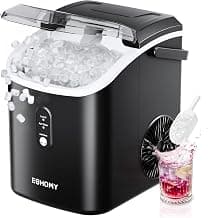
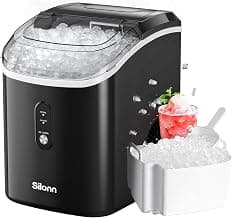
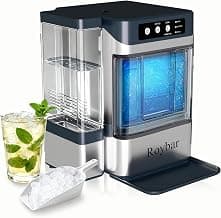
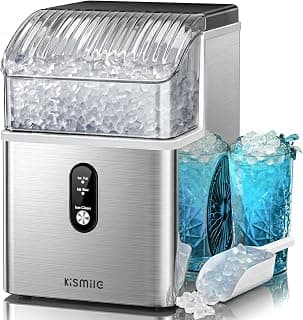
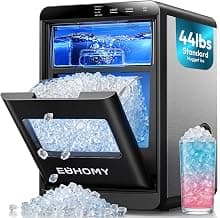
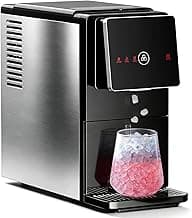
A standard ice tray or a basic freezer-mounted ice maker creates solid cubes by freezing water in a mold. In contrast, the best nugget ice maker countertop utilizes a continuous freezing process involving a cylindrical evaporator and an internal auger. As water freezes on the walls of the cylinder, the auger scrapes off the thin layers of ice and pushes them through a small extrusion nozzle. This mechanical compression creates the characteristic small, porous nuggets that retain the flavor of the beverage and provide a satisfying crunch.
From a mechanical engineering perspective, this process is significantly more demanding than simple mold-based freezing. The friction between the auger and the evaporator walls requires high-torque motors and robust bearings. When selecting a machine as a gift, one must consider that cheaper, entry-level models often utilize inferior plastic gears that are prone to stripping under the stress of ice compression. High-quality units utilize stainless steel components to ensure longevity and consistent ice density.
Gifting tech is about more than specifications; it is about upgrading the recipient's window to the digital world, ensuring every frame is a testament to quality.
Analyzing the Hidden Costs and Durability (BIFL Philosophy)
Independent testing and feedback from online repair communities, such as Reddit’s "Buy It For Life" circles, highlight a critical reality: nugget ice makers are high-maintenance machines. While they are a luxury, they come with a "maintenance debt" that the recipient must be prepared to manage. The primary enemy of these machines is scale buildup. Mineral deposits from hard water can bind to the auger, causing the motor to overheat and eventually fail. This is not a manufacturing defect but a consequence of water chemistry.
To ensure the best nugget ice maker countertop remains a functional gift rather than a decorative paperweight, it is essential to guide the recipient toward using distilled or reverse-osmosis water. Furthermore, one should look for models that offer modular disassembly. Many budget-friendly "sealed for life" units cannot be repaired; once a seal leaks or a sensor fails, the entire unit must be discarded. Expert gift-givers should prioritize brands that provide accessible replacement parts, such as water pumps and sensors, to avoid the trap of fast consumerism.
Comparative Analysis of Ice Production Technology
To help the consumer understand the landscape of ice-making appliances, the following table compares the technical variables of different ice types and their corresponding machines. This is particularly useful when deciding whether to opt for the best nugget ice maker countertop or a more traditional best clear ice maker.
| Feature | Nugget Ice Maker | Clear Ice Maker | Bullet Ice Maker |
|---|---|---|---|
| Internal Mechanism | Auger & Extrusion Nozzle | Directional Freezing Plate | Metal Prongs (Evaporator Fingers) |
| Ice Texture | Chewable, Porous, Soft | Hard, Slow-melting, Solid | Hollow, Fast-melting, Rigid |
| Noise Level (Avg) | 45 - 55 Decibels | 40 - 50 Decibels | 50 - 60 Decibels |
| Primary Use Case | Sodas, Cocktails, Hospital use | High-end Spirits, Aesthetics | General Cooling, Parties |
| Maintenance Needs | Very High (Monthly Descaling) | Moderate | Low |
User Empathy: Choosing the Right Model for the Recipient
The "best" machine is entirely dependent on the recipient’s living situation and physical needs. For instance, when choosing best gift ideas for a woman who values kitchen aesthetics and organization, the footprint of the device is paramount. A massive industrial-style unit will clash with a minimalist kitchen. Conversely, for a large family, a machine that only produces 20 lbs of ice a day will lead to frustration as the bin empties within hours.
Noise is another critical factor. Because these machines run their compressors and fans for extended periods to maintain the ice reservoir, they can be intrusive in small apartments. We advise checking the decibel ratings and looking for units with insulated bins. While no countertop machine is truly silent, the difference between a high-pitched fan whine and a low hum is the difference between a beloved appliance and one that gets unplugged after two days. For those who prefer a different texture, looking into the best countertop crushed ice maker may be a viable alternative that often operates with slightly less mechanical noise.
Is a Nugget Ice Maker a Good Experiential Gift?
When considering what is a good experiential gift, we often think of concerts or travel. However, a nugget ice maker provides a daily "micro-experience." It changes the way the recipient consumes beverages, turning a simple glass of water or iced coffee into a café-quality event. This long-term lifestyle shift is why many consider it a top-tier choice for those who are difficult to shop for.
If you are still unsure of the direction to take, understanding how to come up with good gift ideas involves observing the recipient's daily friction points. Do they frequently run out of ice? Do they go to specific fast-food chains just for the "good ice"? If so, a specialized machine like the best bar ice maker or a nugget-specific unit is the logical solution. It represents a thoughtful acknowledgment of their specific preferences.
Technical Considerations: Refrigerants and Energy Consumption
In the current market, there is a shift toward more environmentally friendly refrigerants like R600a (Isobutane). Older or cheaper models may still use R134a, which has a higher global warming potential. Furthermore, these machines are not "energy stars" by nature; they must work constantly to prevent the ice from melting. To mitigate energy costs, one should look for models with programmed timers, allowing the machine to wake up and produce ice an hour before the user typically needs it, rather than running 24/7.
This is a much more specialized purchase than a best countertop nugget ice maker found at a general big-box store. By focusing on the internal components—the evaporator material, the motor wattage, and the ease of the cleaning cycle—the gift-giver ensures they are providing a product that adds value rather than chores to the recipient's life.
Frequently Asked Questions
Is nugget ice the same as crushed ice?
No, nugget ice is distinctly different from crushed ice. While crushed ice is made by smashing larger cubes into irregular shards, nugget ice is formed by compressing layers of frozen flakes into a specific, uniform shape. This results in a softer, more "chewable" texture that is unique to the best nugget ice maker countertop machines.
How often do I really need to clean a nugget ice maker?
You must descale and sanitize your machine at least once a month to prevent mechanical failure and bacterial growth. Because the internal environment is moist and cold, mold and biofilm (slime) can accumulate quickly. If you live in an area with hard water, this maintenance should be performed every two weeks to protect the auger system.
Can I use tap water in my nugget ice maker?
Technically yes, but we strongly advise against it if you want the machine to last. The minerals in tap water create scale buildup that can eventually seize the motor. Using filtered or distilled water significantly reduces the frequency of descaling and extends the life of the internal seals and bearings.
Why are these machines so much more expensive than regular ice makers?
The higher price point is due to the mechanical complexity of the auger and extrusion system. A regular ice maker simply has a tray and a heater to release the cubes. A nugget ice maker requires a precision-engineered stainless steel screw, a powerful motor, and a cooling cylinder, all of which are expensive to manufacture and assemble.
Are nugget ice makers loud?
Yes, nugget ice makers produce more noise than standard bullet ice makers because they have more moving parts. The constant turning of the auger and the sound of the compressor and fan mean you will likely hear the machine if you are in the same room. Most quality models range between 47 and 52 decibels during active production.