
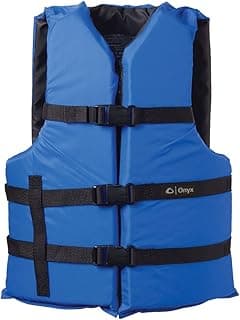
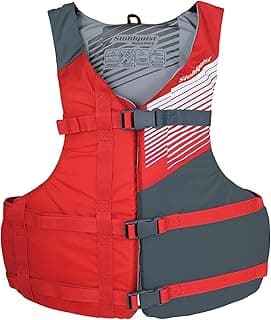
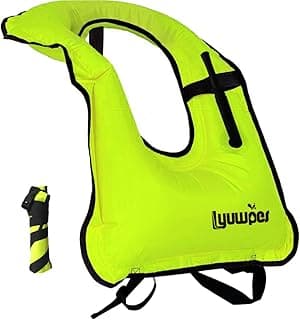
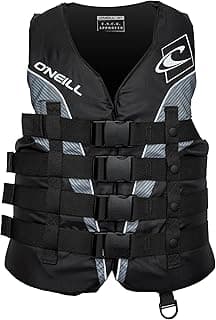
The Physics of Buoyancy for Larger Frames
From a mechanical engineering standpoint, buoyancy is a function of displacement. A life jacket must displace a volume of water equal to the weight of the wearer’s submerged body minus their natural buoyancy. For plus-size individuals, the challenge is not just the total weight, but the distribution of that mass. Standard vests often feature foam panels that are too small, leading to a "ride-up" effect where the vest floats higher than the wearer’s shoulders, which is both uncomfortable and dangerous. The What is the greatest gift to give? question often boils down to safety and inclusion in shared family activities.
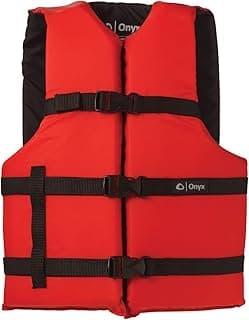
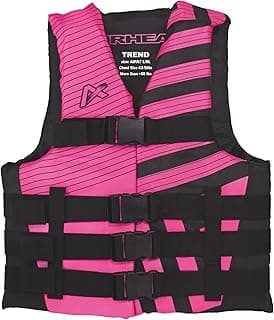
High-quality manufacturers now utilize graded sizing, meaning the amount of foam—and thus the lift—increases proportionally with the chest size. When evaluating a potential gift, look for a Newton (N) rating. While 50N is standard for buoyancy aids, larger individuals should look for 70N or higher for recreational use. This ensures that the mouth and nose are kept significantly above the waterline even in choppy conditions. This level of technical consideration is what turns a simple purchase into one of the best anniversary gifts for couples who enjoy kayaking or sailing together.
Gifting tech is about more than specifications; it is about upgrading the recipient's window to the digital world, ensuring every frame is a testament to quality.
Ergonomics and Mobility: Beyond the Chest Measurement
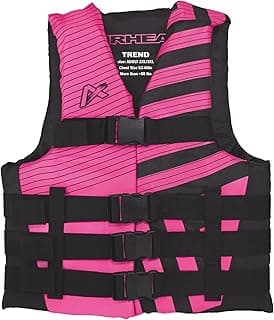
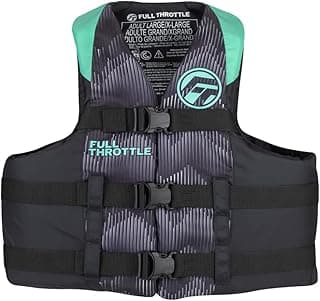
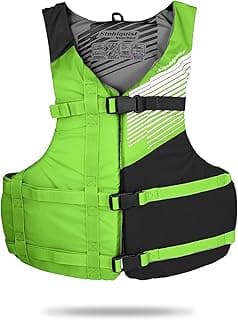
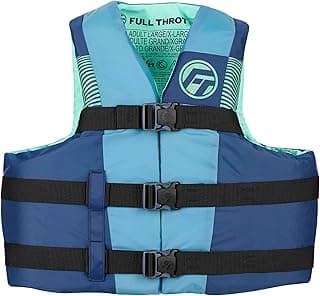
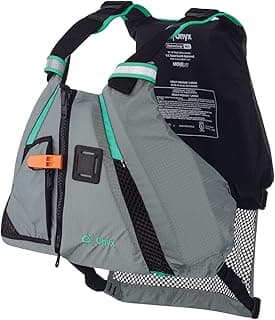
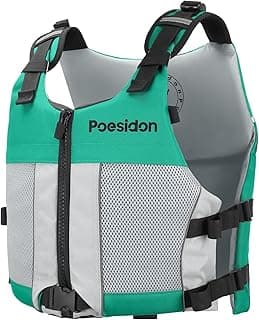
One of the most common physical limitations addressed by the best plus size life jackets is the restriction of arm movement. Many budget vests use wide, stiff foam blocks that chafe the inner arms. Technical designs utilize "sculpted" or "contoured" foam. This involves using multi-layered, thinner foam sheets that can bend and wrap around the torso, providing a "body-hugging" fit rather than a boxy one. This is critical for activities like rowing or paddleboarding where repetitive motion is necessary.
Consider the entry method as well. Front-zip vests are standard, but side-entry or over-the-head designs can offer more adjustment points. For a gift recipient with limited mobility or arthritis, a front-entry vest with large, molded plastic zippers—which resist saltwater corrosion better than metal—is the superior choice. This focus on long-term usability mirrors the philosophy behind other high-quality gear, such as selecting the best waterproof boots women for rugged terrain.
Technical Comparison of Vest Architectures
To assist in your selection, the following table compares common technical variables in plus-size life jacket construction:
| Feature | Standard Entry-Level Vest | Premium Technical Plus-Size Vest |
|---|---|---|
| Foam Type | Single-layer PE (Polyethylene) | Multi-layered PVC-free Gaia or NBR foam |
| Adjustment Points | 2 to 3 webbing straps | 6 to 8 independent tension points |
| Stitching | Standard straight stitch | Heavy-duty bar-tack reinforced stress points |
| Liner Material | Nylon with no breathability | Wicking mesh with integrated air channels |
Buy It For Life (BIFL): Durability and Hidden Costs
A life jacket is a long-term investment in safety, but its lifespan is finite. Most consumers fail to realize that UV radiation is the primary "silent killer" of life vests. Over time, the sun’s rays degrade the nylon shell, making it brittle and prone to tearing under the stress of a rescue. When choosing the best plus size life jackets as a gift, verify the denier (D) rating of the outer fabric. A 500D Cordura or high-tenacity nylon shell will last significantly longer than the 200D material found in "big box" store specials.
Furthermore, consider the hidden cost of maintenance. While foam-based vests require no "refills," inflatable hybrids (which combine a small amount of foam with a CO2-powered bladder) require annual inspection and replacement of the inflation cylinders. For most casual users, a high-quality, inherently buoyant foam vest is the "Buy It For Life" choice because it lacks mechanical failure points. This durability is just as important as when you are choosing the best warm waterproof gloves for extreme conditions; if the gear fails when needed, its initial price is irrelevant.
Psychological Impact: Gifting Confidence
There is a significant psychological barrier to entry for larger individuals in water sports. Wearing ill-fitting gear that emphasizes one's size through discomfort can ruin an experience. What makes a memorable gift? It is often the realization that the giver saw a need and addressed it with precision. A life jacket that fits properly, doesn't ride up, and looks stylish allows the recipient to focus on the environment rather than their gear. Just as a best sunglasses brand for man provides optical clarity and style, a well-chosen life vest provides physical safety and social confidence.
Frequently Asked Questions (AEO-FAQ)
Can a life jacket be too big?
Yes, a life jacket that is too large is arguably more dangerous than one that is slightly small. If the vest is too loose, the wearer can slip out of it when they hit the water, or the vest may float up and obstruct their airway. Always perform the "shoulder pull test": once the vest is buckled and tightened, pull up on the shoulder straps. If the vest moves up past the ears, it is too large or not tightened correctly.
Do life jackets have an expiration date?
No, there is no formal expiration date, but they should be replaced when they show signs of structural degradation. This includes faded fabric (indicating UV damage), crushed or hardened foam, or frayed webbing straps. In a marine environment, expect a high-quality vest to last 5 to 7 years with proper rinsing in fresh water after each use. This maintenance is similar to caring for any high-performance gear.
Are inflatable life jackets safe for plus-size non-swimmers?
No, inflatable life jackets are generally not recommended for non-swimmers, regardless of size. While they provide excellent buoyancy once deployed, they require a conscious effort to trigger (if manual) or a functional auto-inflator. For someone who is not comfortable in the water, the "inherent buoyancy" of a foam vest provides immediate, fail-safe lift without the need for mechanical activation.
What is the difference between a life jacket and a buoyancy aid?
A life jacket (Type I or II) is designed to turn an unconscious person face-up in the water, whereas a buoyancy aid (Type III) is intended for conscious users in calm waters where rescue is likely to be quick. Most recreational "plus size life jackets" are technically Type III buoyancy aids, designed for maximum mobility during active sports like kayaking.
In conclusion, selecting the best plus size life jackets involves a balance of buoyancy science, material durability, and a deep understanding of the user's physical needs. By avoiding the pitfalls of "disposable" gear and focusing on high-tenacity materials and inclusive design, you provide a gift that truly enables adventure and ensures peace of mind on the water.