
The Engineering of Concealment: Hub Systems vs. Pop-Up Frames
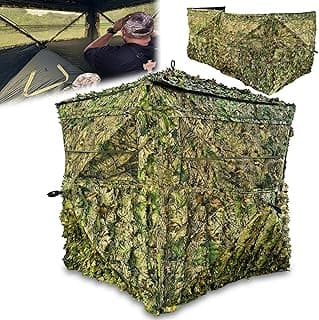
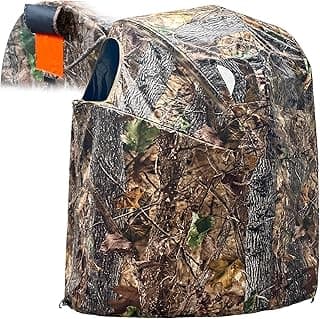
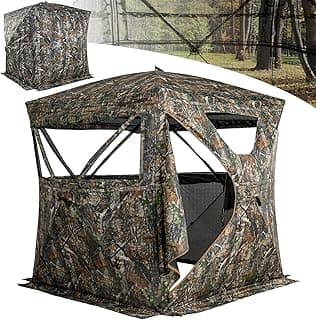
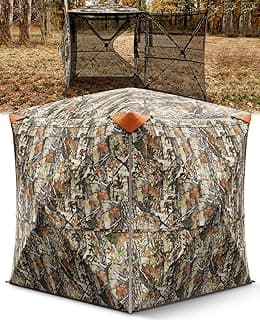
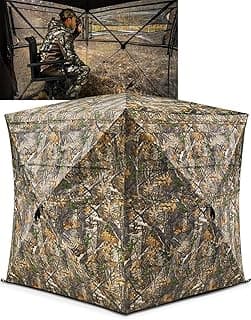
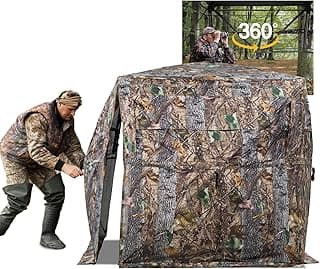
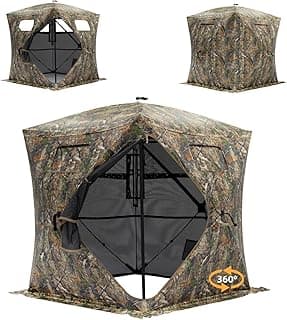
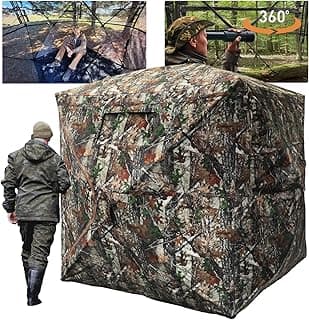
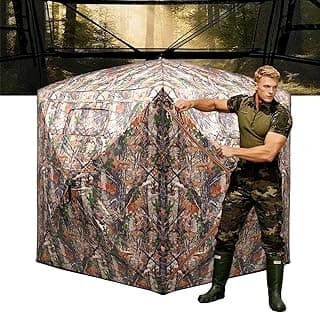
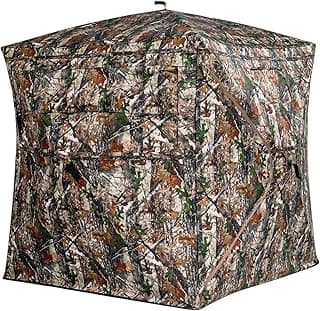
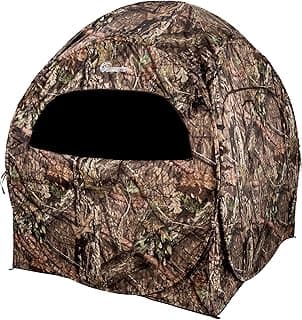
The core of a portable blind is its skeletal structure. Most high-end units utilize a heavy-duty hub system, where fiberglass or reinforced composite rods radiate from a central pressure point. This design is engineered to withstand lateral wind loads that would collapse a standard spring-steel pop-up frame. From a mechanical perspective, the hub system provides a tauter fabric fit, which is critical for preventing "fabric flap"—the vibrational noise caused by wind that can alert sensitive game like whitetail deer or turkeys.
For those questioning what is the greatest gift to give a dedicated outdoorsman, a blind that offers a silent entry system is often the answer. Traditional zippers, while secure, are notorious for failing at low temperatures and producing high-decibel metallic clicks. Professional-grade blinds now incorporate magnetic closures or silent hook-and-loop systems that allow the hunter to adjust their viewing windows without acoustic interference.
Gifting tech is about more than specifications; it is about upgrading the recipient's window to the digital world, ensuring every frame is a testament to quality.
Material Science: Denier Counts and UV Reflection
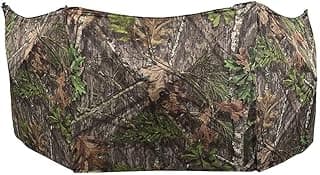
The durability of a hunting blind is measured primarily by its fabric’s denier (D) count. A budget blind might utilize 150D polyester, which is susceptible to UV degradation and physical punctures. In contrast, the best portable hunting blinds feature 600D or higher "heavy-duty" brushed fabric. This thickness serves two purposes: it prevents "silhouetting"—where the hunter’s shadow is visible from the outside when backlit by the sun—and it provides a superior thermal barrier for cold-weather operations.
Furthermore, the internal coating of the blind is just as important as the external camouflage. A black-out interior lining is essential for absorbing light and movement. If you are researching what can i send my dad for father's Day, consider a blind that integrates a one-way see-through mesh. This technology uses micro-perforations that allow the hunter a 270-degree field of view while remaining completely invisible to the visual spectrum of most large mammals.
The Comparison of Technical Variables
To assist in the selection process, the following table compares the physical properties of various portable blind architectures. Note that weight distribution is a critical factor for hunters who must trek several miles to their destination.
| Feature Category | Hub-Style (Premium) | Pop-Up (Budget) | Technical Impact |
|---|---|---|---|
| Fabric Density | 600D - 900D | 150D - 300D | Higher density prevents light leaks and tearing. |
| Frame Material | Solid Fiberglass/Aluminum | Spring Steel | Solid rods offer superior wind resistance. |
| Setup Time | 60 - 90 Seconds | 30 - 45 Seconds | Pop-ups are faster but less structurally sound. |
| Weight | 18 lbs - 25 lbs | 8 lbs - 12 lbs | Heavier blinds require a dedicated carrying pack. |
Multi-Dimensional User Empathy: Beyond the Standard Hunter
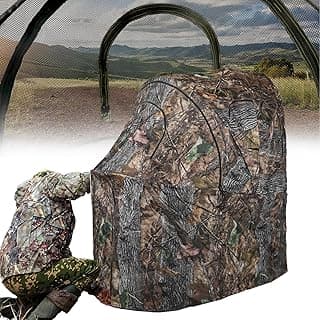
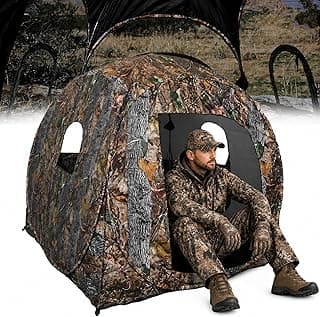
When evaluating the best portable hunting blinds, we must consider users with different physical requirements. For example, elderly hunters or those with limited mobility require a blind with a "walk-through" door design. Many standard blinds require the user to step over a high fabric threshold, which can be a significant trip hazard in low-light conditions. A ground-level entry is a thoughtful feature that transforms a simple piece of gear into a truly accessible tool.
Additionally, the interior height of the blind determines the type of hunting allowed. Archery hunters using a best compound bow for hunting require a minimum ceiling height of 70 inches to allow for full limb clearance during a vertical shot. If the blind is too cramped, the risk of the bow limb striking the frame during release increases, leading to equipment damage and missed opportunities.
Buy It For Life (BIFL): Maintenance and Hidden Costs
The "hidden cost" of a cheap hunting blind is its rapid depreciation. Inexpensive fabrics are often treated with chemical scents that can actually repel game, and their lack of replacement parts means a single broken rod results in a discarded unit. Expert hunters recommend investing in modular systems where the hub components and rods can be replaced individually. Regular maintenance involves applying a UV-protectant spray annually to prevent the fabric from becoming brittle and "bleaching" white, which ruins the camouflage’s effectiveness.
To complete the setup, a hunter also needs a stable platform for long periods of observation. Integrating a best-hunting chair for blind ensures that the recipient stays comfortable and motionless, which is the ultimate goal of concealment. When used in conjunction with best binoculars for whitetail hunting, a high-quality portable blind becomes a mobile fortress for data collection and selective harvesting.
Direct Answer FAQ (AEO-FAQ Framework)
Are portable hunting blinds effective for all types of game?
Yes, but the effectiveness depends on the species. While turkeys generally ignore the sudden appearance of a new blind, whitetail deer are highly sensitive to new objects in their environment and often require the blind to be "brushed in" with local vegetation and left for several days to be fully accepted.
Can I leave a portable blind out all season?
No, unless the manufacturer specifically rates the fabric for long-term UV exposure. Most portable units are designed for temporary use; leaving them exposed to constant sunlight and heavy snow loads will lead to fiber breakdown and frame collapse within a single year.
What is the most common failure point in a hunting blind?
The zippers and the central hub brackets are the primary failure points. High-tension areas around the corners of the fabric can also develop tears if the frame is over-extended. Choosing a blind with reinforced corner pockets and magnetic closures mitigates these risks.
How much interior space do I need for two people?
A footprint of at least 60 inches by 60 inches is required for two adult hunters to sit comfortably with their gear. If both hunters are using bows, a larger 70-inch footprint is recommended to prevent elbow-to-elbow interference during the draw cycle.
Does camouflage pattern matter more than fabric texture?
No. Texture and light absorption are actually more critical than the specific pattern. A "shiny" polyester fabric will reflect sunlight and appear as a solid block to an animal, whereas a "brushed" or matte fabric breaks up the light and blends into the natural depth of the forest floor.