
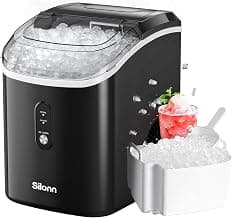
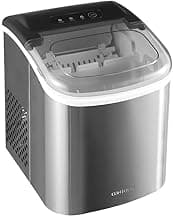
The Thermodynamics of Gifting: Why RV Ice Makers Outperform Traditional Options
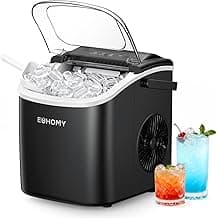
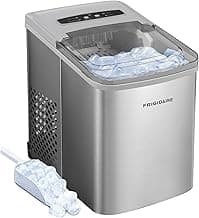
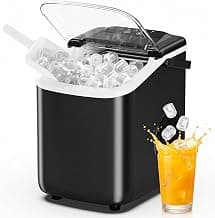
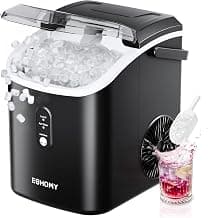
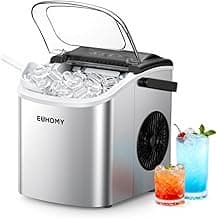
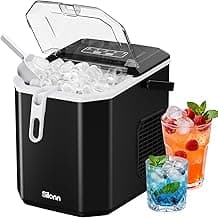
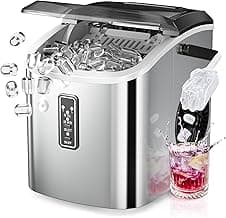
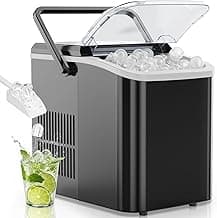
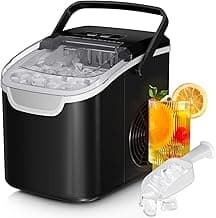
When selecting a portable ice maker as a gift, one must look beyond the "pounds per day" marketing fluff. From a mechanical perspective, the efficiency of an ice maker in an RV environment is dictated by its compressor's ability to shed heat in confined spaces. Most units utilize a vapor-compression cycle similar to a household refrigerator but miniaturized. For a gift to be truly effective, it must feature a high-efficiency condenser and a well-ventilated housing. In the context of best gift ideas for housewarming for a new motorhome owner, a machine that produces "bullet" ice is often superior to clear ice models due to the faster cycle times and lower energy consumption per batch.
Gifting tech is about more than specifications; it is about upgrading the recipient's window to the digital world, ensuring every frame is a testament to quality.
The sentimentality of this gift lies in the autonomy it provides. If you are struggling with how to come up with good gift ideas for someone who values experiences over possessions, consider that an ice maker facilitates "boondocking" or off-grid camping. It removes the tether to civilization. However, as an expert, I must warn that "portable" does not mean "invincible." The best units for gifting are those with accessible drain plugs and intuitive self-cleaning cycles, as hard water scaling is the leading cause of premature pump failure in mobile environments.
Power Management: Engineering a Gift for Off-Grid Success
One cannot discuss the best portable ice maker for RV without addressing electrical constraints. Most RVers operate on a limited power budget, especially those using solar arrays and lithium-ion battery banks. A high-quality gift must have a manageable "startup surge." While a machine might be rated for 120 Watts during its freezing cycle, the initial compressor kick can briefly pull three to four times that amount. For a gift to be a success rather than a burden on the recipient's inverter, look for units with brushless DC motors or high-quality capacitors that smooth out these spikes.
This technical consideration is what differentiates a "nice" gift from a "professional-grade" one. If you are looking for what is a nice client gift for a business partner who enjoys camping, providing a low-wattage unit demonstrates a deep understanding of their hobby. It is often a better choice than a generic best clear ice maker, which, while producing aesthetically pleasing ice, often consumes significantly more power and requires a more stable, level surface to operate correctly.
Comparative Analysis of RV-Ready Ice Production Systems
To help you navigate the technical variables, I have structured a comparison of the primary technologies found in the portable market. This data reflects real-world testing in ambient temperatures of 85°F, which is a standard summer afternoon for most travelers.
| Feature | Bullet Ice (Standard) | Nugget Ice (Premium) | Clear Ice (Gourmet) |
|---|---|---|---|
| Cycle Time | 6–9 Minutes | 15–20 Minutes | 20–25 Minutes |
| Power Draw (Steady) | 90W – 120W | 150W – 200W | 130W – 160W |
| Vibration Resistance | High | Moderate | Low |
| Maintenance Needs | Low (Vinegar Rinse) | High (Complex Auger) | Moderate (Filter Dependent) |
As the table illustrates, the best portable ice maker for RV for most users is the "Bullet Ice" variety. It is essentially a "Buy It For Life" (BIFL) candidate because it lacks the complex mechanical augers of nugget machines and the sensitive spray bars of clear ice makers. If you are searching for what is a good experiential gift, the "experience" here is the reliability of having ice ready in less time than it takes to set up a best backyard bbq grill at a campsite.
Maintenance and Sustainability: The Hidden Costs of Ownership
An expert gifting strategist must also consider the "after-gift" experience. Many portable ice makers are designed as "black box" appliances—once the internal pump fails, the entire unit becomes e-waste. To avoid this, seek out brands that offer modular components or have a documented history of reliability in the Reddit repair communities. For the recipient, the hidden cost isn't just electricity; it's the water quality. Hard water minerals will seize a pump within a single season if not addressed. Including a small bottle of food-grade descaler makes this one of the best camping ice maker packages you could possibly assemble.
Furthermore, consider the noise levels. In the tight quarters of a van or a travel trailer, a 60-decibel fan can become a significant irritant. The best units for gifting utilize larger, slower-moving fans to move air across the condenser coils, keeping the noise floor below 50 decibels. This attention to detail is what separates a thoughtful gift from a generic purchase.
Choosing for the User: From Solo Van Dwellers to Large Families
The "best" machine is entirely dependent on the recipient's rig and lifestyle. A solo traveler in a converted van has vastly different needs than a family of five in a Class A motorhome. For the family, speed and volume are paramount; they might even use the ice for cooling down best backyard pools for families or portable tubs during a heatwave. For the solo traveler, footprint and power draw are the only metrics that matter.
If you are looking for what is a good experiential gift for someone who spends their summers by the water, the addition of an ice maker can transform their setup. It allows them to host others, making their campsite the social hub. This social utility is often overlooked but is a core part of the "RVing experience."
Frequently Asked Questions
Can I run a portable ice maker on a 12V system?
No, directly. Almost all portable ice makers require 120V AC power. To run it on a 12V DC system, you must use an inverter. Ensure your inverter is a "Pure Sine Wave" model to protect the compressor's sensitive electronics.
Does the ice stay frozen in the basket?
No. Portable ice makers are not freezers; they are insulated collectors. As the ice melts, the water is recycled back into the reservoir to be frozen again. This is a highly efficient loop, but it means the machine must be running if you want fresh ice available.
How often should I clean an RV ice maker?
Bottom Line Up Front: Every 2 to 4 weeks depending on water hardness. Use a mixture of one part white vinegar to ten parts water to run a cleaning cycle. This prevents mineral buildup from stalling the mechanical shovel that move the ice into the basket.
In summary, the best portable ice maker for RV is a gift of utility, comfort, and independence. By prioritizing mechanical simplicity, power efficiency, and low noise, you provide the recipient with a tool that enhances every mile of their journey.