
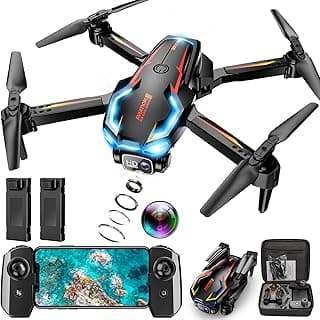
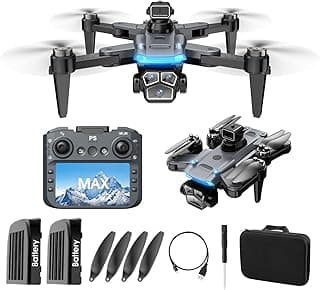
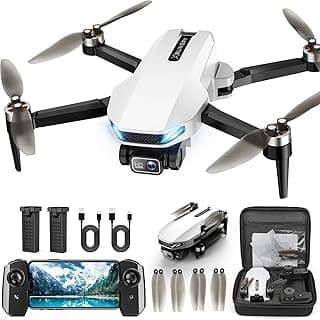
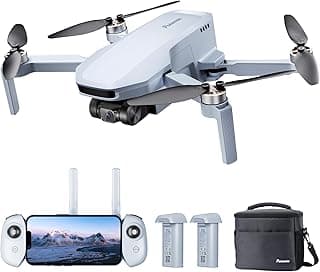
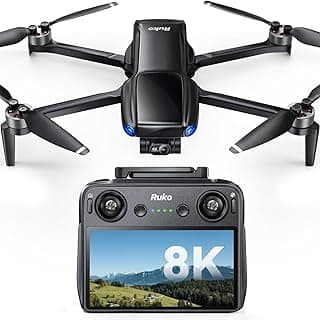
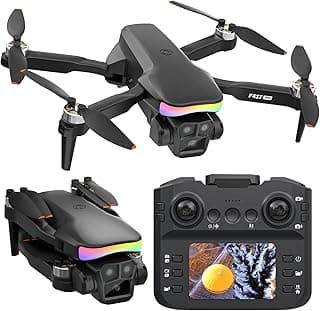
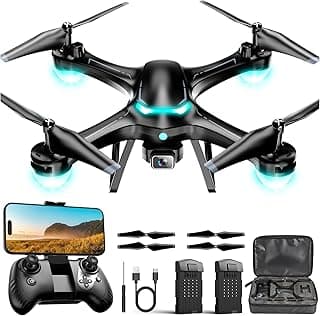
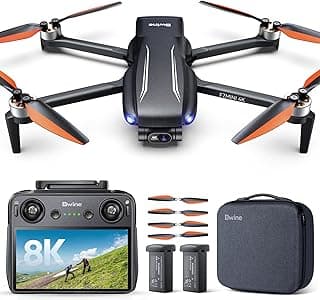
The Physics of Flight and Sensor Capability
The performance of any consumer Unmanned Aerial Vehicle (UAV) is dictated by its power-to-weight ratio and the efficiency of its Electronic Speed Controllers (ESCs). A drone that earns its status as a top-tier gift does so by offering stable flight even in moderate wind conditions, which is physically impossible for lightweight, plastic-shell models lacking a sophisticated Global Navigation Satellite System (GNSS). When evaluating a potential gift, the sensor size is the most critical technical variable for image quality. A 1-inch CMOS sensor will consistently outperform a 1/2.3-inch sensor in low-light environments, regardless of the advertised megapixel count, because the larger physical surface area captures more photons, reducing electronic noise in the final image.
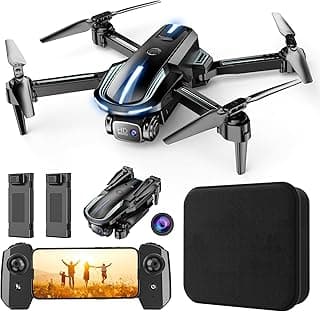
For those considering best gift ideas for teens, the focus might shift from raw sensor data to safety features and durability. Modern "best rated" options now include 360-degree obstacle avoidance using binocular vision sensors and infrared sensing systems. These technologies create a digital "safety bubble" around the craft, which is essential for preserving the investment during the inevitable first few flights. However, a skeptical analyst must note that these sensors are often less effective in low-light or when navigating toward thin wires and glass surfaces, which do not reflect ultrasonic or optical signals reliably.
Gifting tech is about more than specifications; it is about upgrading the recipient's window to the digital world, ensuring every frame is a testament to quality.
Analyzing the Recipient: Multi-Dimensional User Empathy
A "one size fits all" approach is the primary reason many high-end tech gifts end up in storage. To find the truly best rated drone for a specific person, we must categorize their needs based on physical and technical limitations:
- The Adventure Enthusiast: This user requires portability and high-speed tracking. They often need a best aerial photography drone that can fold into a compact backpack and withstand variable mountain winds. For them, the gimbal design—the mechanical arm that stabilizes the camera—is more important than the battery life, as they prioritize the "cinematic" look of their footage.
- The Aspiring Cinematographer: This individual is likely what is someone that loves technology for the sake of creative output. They demand a best 4k drone with high bitrates (100Mbps or higher) and D-Log color profiles to allow for post-production color grading.
- The Hobbyist Explorer: Often seeking a balance of fun and utility, this user appreciates a stable platform that can integrate with other accessories, such as a best sport camera for terrestrial shots or specialized best backpacking gloves for winter flights when the controller's joysticks become difficult to handle with numb fingers.
Technical Variables and Comparison Architecture
To assist in the decision-making process, the following table compares the fundamental hardware architectures found in the consumer drone market. Understanding these differences is the first step in learning how to come up with good gift ideas that align with technical reality rather than marketing hyperbole.
| Component | Consumer/Entry Level | Professional/Prosumer | Technical Impact |
|---|---|---|---|
| Motor Type | Brushed | Brushless | Brushless motors offer 10x the lifespan and significantly higher torque. |
| Stabilization | Electronic (EIS) | 3-Axis Mechanical Gimbal | Mechanical gimbals physically isolate the camera from the drone's tilt. |
| Transmission | Standard Wi-Fi | OcuSync or Lightbridge | Proprietary radio links prevent signal drops in urban environments. |
| Positioning | Optical Flow Only | GPS / GLONASS / Galileo | Satellite redundancy allows for precise hovering and "Return to Home" safety. |
The "Buy It For Life" (BIFL) Philosophy & Hidden Costs
As a mechanical engineer, I must emphasize that drones are high-depreciation assets with specific failure points. A truly premium gift choice should consider the modularity of the system. Can the propellers be replaced without tools? Is the battery a proprietary high-cost "intelligent" flight battery, or can third-party equivalents be used? Most lithium-polymer (LiPo) batteries used in drones will lose approximately 20-30% of their capacity after 200 charge cycles, meaning the operational cost of the drone increases over time.
Furthermore, the repairability of the shell and arms is paramount. Many "best rated" budget models are constructed from unreinforced ABS plastic, which shatters upon impact. In contrast, prosumer models often utilize glass-filled nylon or carbon fiber, materials that offer a superior strength-to-weight ratio. Buyers should also verify if the manufacturer provides a dedicated service plan or if independent repair shops can source parts. A drone that cannot be disassembled for a simple motor replacement is, by definition, a disposable product, which contradicts the ethos of a meaningful, long-term gift.
Direct Answer Framework: Frequently Asked Questions
Is a drone a good gift for someone who has no experience with technology?
Yes, provided the drone features an automated "Takeoff" and "Return to Home" (RTH) function. Most top-rated modern drones utilize GPS and downward-facing vision sensors to maintain a fixed position even if the user lets go of the controls. However, there is a technical learning curve regarding local aviation regulations and airspace restrictions that the recipient must be willing to navigate.
What is the most important feature for a photography-focused drone?
The dynamic range of the sensor and the stability of the gimbal are the most critical factors. High resolution (such as 4K or 5.4K) is useful, but if the sensor has a low dynamic range, the sky will appear "blown out" or white, and shadows will be crushed into pure black. Look for models that support RAW image formats, allowing for professional-level editing.
How much should I realistically spend on a high-quality drone gift?
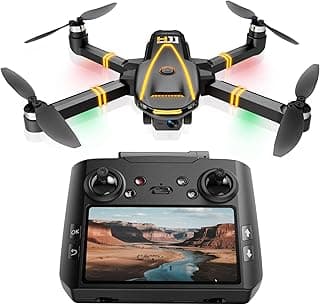
While you can find options under $100, these lack the GPS and brushless motors required for outdoor reliability. A reliable entry-level drone that offers a safe and enjoyable experience typically starts at the $350-$500 range. Professional-grade kits, which include extra batteries and a dedicated remote control with a built-in screen, can easily exceed $1,000, representing a significant investment in the recipient's hobby or career.
Ultimately, the best rated drone is the one that matches the recipient's environment and ambitions. Whether they are flying over the family backyard or capturing the rugged coastlines of a remote island, the quality of the hardware determines the quality of the memory. By prioritizing mechanical durability, sensor physics, and ease of repair, you ensure that your gift remains a functional piece of technology for years to come.