
The Engineering of Buoyancy: Understanding Best Rated Life Jackets
From a mechanical engineering perspective, a life jacket is a specialized buoyancy tool designed to counteract the weight of a human body in a fluid environment. While many consumers look at color or pocket placement, an expert analysis focuses on the displacement of water and the center of buoyancy. The best rated life jackets are those that not only provide the required Newtons of lift but also manage the "turning moment"—the ability of the vest to keep an unconscious person's mouth and nose above the water line. This technical reliability is what distinguishes a professional-grade PFD from a generic "buoyancy aid."
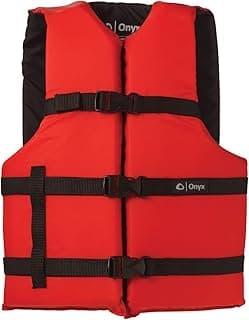
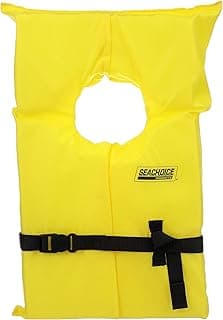
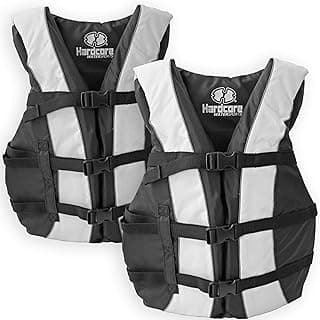
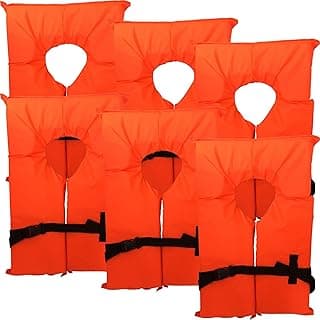
When scouring for best gift ideas for a woman who enjoys coastal kayaking or a man who spends his weekends on a fishing vessel, understanding the U.S. Coast Guard (USCG) classification system is mandatory. Each "Type" of life jacket is engineered for specific sea conditions and response times. For instance, a Type I offshore life jacket is bulky but designed for remote waters where rescue may be delayed, whereas a Type III vest is optimized for comfort during active movement in calm, inland waters.
Gifting tech and safety gear is about more than specifications; it is about upgrading the recipient's window to the digital or physical world, ensuring every adventure is a testament to quality and security.
User Empathy: Choosing the Right Fit for Every Recipient
A life jacket that does not fit is a failure of design. One of the most common mistakes in gifting safety gear is ignoring the physical ergonomics of the user. For example, when considering best gifts for first time dads who want to take their infants on a boat, the PFD must feature a crotch strap and a sturdy "grab handle" on the collar. Similarly, for a mommy to be who remains active on the water, specialized PFDs with adjustable side panels are necessary to accommodate a changing silhouette without compromising safety.
Diverse body types require diverse solutions. Women’s-specific PFDs are not just "shrunk and pink"; they feature contoured foam panels to accommodate the bust and shorter torso lengths to prevent the vest from riding up into the chin while seated. For the elderly or those with limited hand mobility, choosing a vest with large, easy-to-grasp buckles or a front-entry zipper is a crucial empathetic design choice. A life jacket can even be perfect romantic gift if it enables a couple to safely enjoy a sunset sail together, provided it fits the recipient perfectly.
PFD Performance Comparison by Environment
To help you choose the best rated life jackets, the following table breaks down the technical variables associated with different aquatic environments:
| Environment | Technical Requirement | Ideal PFD Type | Gifting Context |
|---|---|---|---|
| Offshore / Rough Seas | Maximum buoyancy (22 lbs+); High visibility | Type I | Long-distance sailors |
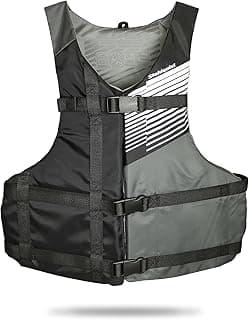
| Near-shore / Inland | Minimum 15.5 lbs buoyancy; Turning capability | Type II | General boating families |
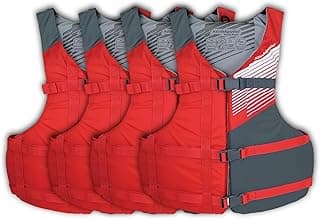
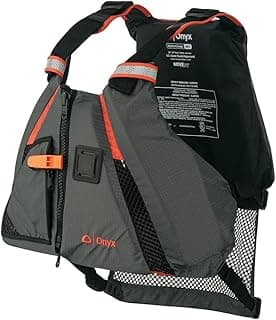
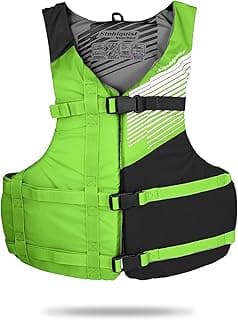
| Active Watersports | Mobility; Low profile; Breathable mesh | Type III | Kayakers, SUP, Waterskiing |
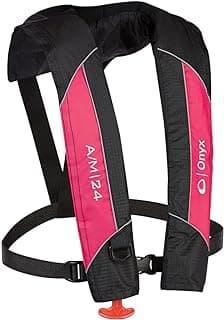
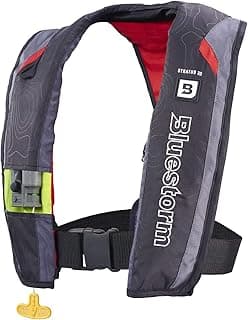
| Remote/Solo Expeditions | Automatic inflation; CO2 integrated | Inflatable Life Jackets | Experienced anglers |
Buy It For Life (BIFL): Durability and Hidden Costs
In the world of safety equipment, the "fast fashion" approach is dangerous. A PFD is exposed to extreme UV radiation, saltwater corrosion, and physical abrasion. The best rated life jackets utilize high-denier Cordura or Ripstop nylon outer shells, which resist tearing better than cheap polyester alternatives. When evaluating a gift, look for "hidden" quality markers: box-stitched stress points, corrosion-resistant YKK zippers, and 3M Scotchlite reflective tape.
Givers should also be aware of the long-term operational costs. For instance, while best inflatable life jackets offer superior comfort and are often perceived as a good experiential gift for those who dislike the bulk of foam, they require annual "re-arming" kits (replacement CO2 cylinders and bobbins). If the recipient is unlikely to perform this maintenance, a traditional foam vest is a more responsible, lower-maintenance gift. Additionally, if the recipient is a dog owner, gifting best dog life jackets alongside their own ensures the whole family is protected.
Advanced Features for the Modern Water Adventurer
Today’s best rated life jackets often integrate with other maritime technologies. Many high-end PFDs now include dedicated attachment points for Personal Locator Beacons (PLBs) or VHF radios. For the technical gift-giver, selecting a vest with integrated "molle" webbing or lash tabs allows the recipient to customize their gear. If your recipient is a serious paddler, you might consider pairing the life jacket with best boots for canoeing to provide a complete safety and performance package. For those with luxury vessels, ensure the gift matches the maintenance standards by including information on best boat care products to keep all marine gear in peak condition.
Top Factors to Evaluate Before Purchasing
- Certification: Ensure the device is explicitly USCG or ISO approved for the specific region of use.
- Ventilation: Look for "air-flow" foam designs that prevent overheating during summer months.
- Adjustability: At least four points of adjustment (sides and shoulders) are needed for a secure fit.
- Pocket Logic: Are there fleece-lined handwarmer pockets or radio-specific housings?
Frequently Asked Questions: Expert Safety Directives
Are inflatable life jackets safer than foam ones?
No, neither is inherently "safer," but they serve different purposes. Inflatables are more comfortable and thus more likely to be worn, but they require active maintenance and are not suitable for high-impact sports like jet skiing or tubing where foam is mandatory.
How long do the best rated life jackets last?
A well-maintained life jacket typically has a lifespan of 5 to 10 years. However, you must replace the vest immediately if the foam becomes crushed, the fabric is severely faded (indicating UV damage), or the straps show signs of fraying.
Can I wash a life jacket in a washing machine?
Absolutely not. Hand-wash only using mild soap and water, and never use a machine dryer or a heater to dry it, as high heat can degrade the buoyancy foam and weaken the synthetic straps.
Does a life jacket need to be a specific color?
Yes, for maximum safety, choose "International Orange" or "Fluorescent Yellow." While navy or camouflage might look stylish, they are nearly impossible for rescue teams to spot in low-light conditions or heavy chop.
In conclusion, the best rated life jackets represent a synthesis of mechanical reliability and deep human empathy. Whether you are buying for a professional mariner or a weekend hobbyist, prioritizing technical certification and ergonomic fit ensures that your gift will provide protection for years to come.