

Why Brand Matters More for Glasses Than Most Products
For many product categories, brand functions as marketing veneer over interchangeable goods. Generic aspirin works identically to Bayer. Store-brand batteries perform like Duracell. The name on the package barely affects actual experience.
Eyewear doesn't work this way.
The best glasses brands invest differently than budget manufacturers. They source better materials—Italian acetate versus injection-molded plastic, titanium versus cheap alloy, German-engineered hinges versus commodity hardware. These material choices affect durability, comfort, and appearance in ways that compound over years of daily wear.
Design expertise varies enormously across brands. Heritage houses employ designers who understand facial proportions, frame balance, and style evolution across decades. They create frames that flatter multiple face shapes and remain stylish beyond single seasons. Budget brands copy trends without understanding principles, producing frames that look approximately right but wear approximately wrong.
Quality control separates categories entirely. Premium brands inspect frames individually, catching imperfections before they ship. Mass-market brands accept tolerance ranges that premium manufacturers would reject. The frame that sits perfectly level versus the one that tilts slightly—that difference emerges from manufacturing standards, not luck.
When you gift quality eyewear, you're giving something the recipient will wear more than almost any other accessory. The brand behind that gift either justifies its presence on his face or quietly undermines confidence every time he catches his reflection.
"Cheap glasses announce themselves. Quality glasses simply look right—and the difference becomes more obvious the longer you wear them."
Understanding Brand Tiers
The eyewear market organizes into recognizable tiers. Understanding these helps match gift-giving to budget and occasion:
Luxury Heritage ($$$$)
Names like Cartier, Tom Ford, and Dita occupy this space. Frames cost $400-$1000+. You're paying for design pedigree, premium materials, handcrafted construction, and brand prestige that the wearer and observers both recognize.
These brands suit milestone gifts—major birthdays, promotions, graduations into significant careers. The statement extends beyond the frames themselves into what giving such a gift communicates about the relationship and the occasion's importance.
Premium Quality ($$$)
Oliver Peoples, Persol, Ray-Ban (higher-end lines), and similar brands deliver excellent quality at $200-$400. Materials and construction approach luxury standards; design heritage provides confidence in style longevity. Brand recognition exists but doesn't dominate—these glasses impress through quality, not logo visibility.
This tier represents the sweet spot for most significant eyewear gifts. Quality justifies investment; pricing doesn't require extraordinary occasion to justify.
Quality Accessible ($$)
Warby Parker, Moscot, and other direct-to-consumer or value-focused quality brands operate here at $100-$200. They deliver genuinely good frames—real acetate, proper hinges, thoughtful design—without heritage premium or luxury positioning.
These brands prove quality doesn't require excessive spending. For practical gift-givers or recipients who'd feel uncomfortable with extravagant presents, this tier delivers substance without pretension.
Budget Functional ($)
Zenni, EyeBuyDirect, and similar online budget retailers offer frames under $100—sometimes dramatically under. Quality varies; exceptional values exist alongside disappointments. These work for utilitarian needs but rarely make impressive gifts.
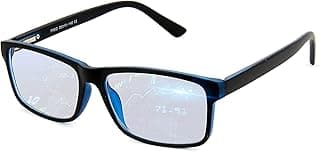
For blue light glasses and functional eyewear where brand prestige matters less, budget options have place. Our Amazon blue light glasses guide covers this category specifically.
The Brands Worth Knowing
Across tiers, certain names consistently earn their reputation. Here's what each offers and who they suit:
Oliver Peoples
Founded in 1987 Los Angeles, Oliver Peoples established the modern premium eyewear category. Their frames balance vintage inspiration with contemporary wearability—classic without feeling dated, stylish without trend-chasing.
Quality is genuinely excellent. Japanese and Italian manufacturing, premium acetate, attention to proportion and balance that lesser brands can't match. The brand carries recognition among those who notice eyewear without screaming for attention from those who don't.
Best for: Creative professionals, style-conscious men, recipients who appreciate design heritage. The best glasses brand for man in many professional contexts.
Persol
Italian heritage dating to 1917. The Meflecto temples (patented flexible system) and Supreme Arrow hinges represent genuine engineering innovation, not just styling. Steve McQueen's association cemented cultural position that persists decades later.
Persol frames read as classically masculine without aggression. They work across age ranges and style preferences—the rare brand that suits both the young professional building his look and the established executive refining his.
Best for: Men who appreciate heritage, classic style preferences, Italian craftsmanship enthusiasts.
Ray-Ban
The world's most recognized eyewear brand. Aviators and Wayfarers transcend trend—they're permanent fixtures of men's style vocabulary. Quality at the higher end of their line (original production, not licensed) remains solid.
Ray-Ban works as gift because recognition is universal. The recipient knows they've received something substantial. The giver doesn't need expertise to choose confidently. It's the safe choice that doesn't feel safe.
Best for: Classic style preferences, safe gift choices, universal recognition value.
Warby Parker
The disruptor that proved quality eyewear doesn't require luxury pricing. Direct-to-consumer model eliminates markup layers. Home try-on program solves the "will it fit" anxiety that plagues eyewear gifting.
Frames are genuinely good—not heritage-brand quality but far exceeding budget alternatives. The brand carries cultural cachet among younger professionals while remaining neutral enough for broader appeal.
Best for: Value-conscious recipients, practical gift-givers, anyone who'd feel uncomfortable receiving luxury items.
Moscot
Fifth-generation New York optician heritage. Frames reference mid-century Americana—intellectual, creative, distinctively urban. The Lemtosh (made famous by Johnny Depp) represents one of the most influential modern frame designs.
Quality is excellent; style is specific. Moscot works for men whose aesthetic aligns with creative/intellectual positioning. It's not universally flattering but powerfully right for appropriate recipients.
Best for: Creative professionals, New York sensibility, intellectual aesthetic preferences.
Tom Ford
Luxury positioning with genuine design merit. Ford's frames tend toward bold—substantial, confident, impossible to ignore. They suit men who view accessories as statements rather than afterthoughts.
Pricing enters luxury territory ($400+). The brand name carries recognition that can read as status-conscious—feature or bug depending on recipient and context.
Best for: Confident style preferences, luxury gift occasions, recipients who appreciate bold accessories.
"The right brand match isn't about price tier—it's about alignment between what the brand represents and who the recipient is."
Matching Brand to Recipient
Different men require different brand matches. These profiles help navigate selection:
The Young Professional: Building his look, probably budget-conscious but wanting quality. Warby Parker hits perfectly—affordable sophistication without feeling entry-level. Oliver Peoples works if budget stretches, positioning him as someone who invests in quality early.
The Established Executive: Already has opinions about accessories. Research his current frames if possible—does he wear conservative shapes or adventurous ones? Persol or Oliver Peoples match most executive aesthetics. Avoid overly trendy brands that might conflict with established preferences.
The Creative Type: Values distinctiveness over conformity. Moscot's intellectual heritage fits. Smaller independent brands (Garrett Leight, Cutler and Gross) might resonate. Avoid corporate-feeling options that conflict with creative identity.
The Classic Dresser: His wardrobe leans timeless rather than fashionable. Persol's heritage, Ray-Ban's icons, or Oliver Peoples' refined classics all work. Avoid trend-driven shapes that'll feel wrong with traditional clothing.
The Minimalist: Prefers understated everything. Danish brands like Lindberg offer ultra-clean aesthetics. Japanese manufacturers (Masunaga, Kaneko Optical) emphasize subtle refinement. Avoid logos, bold shapes, or anything attention-seeking.
The Practical Man: Doesn't care about fashion cachet; wants glasses that work. Warby Parker's straightforward value proposition resonates. Don't waste luxury positioning on someone who'd view it as frivolous rather than impressive.
For more guidance on gifts for different male archetypes, our gift ideas for men guide offers broader perspective.
What Quality Actually Looks Like
Knowing best mens glasses brands helps, but recognizing quality independently matters too. These markers indicate well-made frames regardless of brand name:
Acetate quality: Premium acetate has depth and richness—you can see layers and variations in the material. Cheap plastic looks flat and uniform. The difference is visible at arm's length once you know to look.
Hinge construction: Quality hinges feel smooth and substantial when opening and closing. They don't wobble. They include visible screws or barrel construction rather than cheap injection-molded connections. Spring hinges on quality frames flex smoothly; cheap ones feel gritty.
Weight distribution: Well-designed frames balance properly on the face. Weight distributes between nose pads and temples rather than concentrating at one point. Try them on and they settle naturally without constant adjustment.
Finish consistency: Examine edges where different sections meet. Quality manufacturing creates seamless transitions. Budget frames show visible joints, uneven polishing, or slight misalignments.
Temple interior: Flip the temples outward and examine the inside surface. Quality brands label their frames discreetly here—model numbers, size specifications, country of origin. The printing or engraving is clean and precise. Cheap frames often have messy labeling or skip it entirely.
These observations help evaluate brands you're less familiar with and confirm quality on known-brand frames before purchasing.
The Prescription Question
Most men receiving glasses as gifts need prescription lenses. This complicates gifting but doesn't prevent it:
Gift the frames, arrange the lenses: Many optical shops and online retailers accept frame-only purchases, then add prescription lenses separately. You gift the frames; he handles the prescription. This works when you can confirm prescription details aren't needed for frame selection.
Coordinate with existing provider: If you know where he gets his glasses, contact that shop. They often help coordinate gifts—you select and pay for frames; they handle prescription and fitting when he comes in.
Gift cards from quality retailers: Warby Parker, Oliver Peoples, and similar brands offer gift cards. He gets the experience of selecting frames that fit his face while you provide the value. Less surprise; more certainty of satisfaction.
Focus on sunglasses: Prescription needs often don't apply to sunglasses, simplifying the gift. Quality sunglass frames from best glasses brand for men carry equal brand value without prescription complications.
Blue light glasses as alternative: Non-prescription blue light glasses sidestep vision correction entirely while delivering daily-use value. Our computer glasses guide covers this option specifically.
Navigating Price and Expectation
Eyewear gifting spans massive price ranges. Setting appropriate expectations matters:
Under $150: Warby Parker, Zenni, EyeBuyDirect territory. Functional quality, limited brand prestige. Appropriate for practical occasions, budget constraints, or recipients who'd find luxury uncomfortable.
$150-$300: Entry premium space. Warby Parker's higher options, some Ray-Ban models, sale prices on better brands. Meaningful quality improvement over budget; prestige begins but doesn't dominate.
$300-$500: Core premium territory. Oliver Peoples, Persol, full-price quality Ray-Ban. Genuinely excellent frames with lasting value. Appropriate for significant occasions—milestone birthdays, major achievements, meaningful relationships.
$500+: Luxury positioning. Tom Ford, Dita, Cartier. The frames are excellent; the brand is the point. Reserved for major occasions where the statement matters as much as the object.
Consider the relationship and occasion when selecting tier. Luxury frames for a casual acquaintance creates awkwardness. Budget frames for a life partner's significant birthday underwhelms. Match investment to meaning.
"The price of glasses matters less than the fit between what you spend and what the occasion warrants. Under-giving and over-giving both miss the mark."
Where to Buy
Purchase channel affects experience significantly:
Brand boutiques: Oliver Peoples, Warby Parker, and similar brands operate retail stores offering full selection and knowledgeable staff. Best experience but limited to major cities and specific brands.
Quality optical shops: Independent opticians curate brands they believe in. The selection is edited—they've chosen what they carry—which simplifies decision-making. Staff expertise typically exceeds chain stores. Finding good local opticians requires research but pays off in service and guidance.
Department store optical: Nordstrom, Neiman Marcus, and similar retailers carry premium brands in predictable settings. Service quality varies; selection tends toward recognized names rather than emerging brands.
Online direct: Warby Parker pioneered this; others followed. Best pricing typically, but try-on limitations complicate gifts. Home try-on programs help but still require recipient involvement that might spoil surprises.
Authorized online retailers: Sites like Glasses.com carry authentic products from multiple brands. Pricing sometimes beats retail; selection exceeds single-brand stores. Authenticity matters—stick to authorized channels to ensure genuine products.
Gift Presentation for Eyewear
Eyewear deserves presentation matching its significance:
Keep brand packaging. Unlike most gifts where you'd remove commercial packaging, quality eyewear cases and boxes enhance presentation. The Oliver Peoples box, the Persol case—these communicate brand value visibly.
Add context. A note explaining why you chose this brand, what it represents, what made you think of him—this context elevates product into meaningful gift.
Consider accessories. Premium cleaning cloth, leather case upgrade, or lens spray kit rounds out the gift while showing comprehensive thinking.
Enable exchange. Include gift receipt or exchange information. Glasses are personal; even thoughtful choices sometimes miss fit or style preferences. Making exchange graceful shows care beyond initial selection.
For gifts that pair well with quality eyewear, explore our men's watch guide or office bag recommendations.
Common Gifting Mistakes
Avoid these frequent errors:
Prioritizing your taste over his. The glasses go on his face, not yours. His existing style preferences should guide selection, not what you think would look better.
Ignoring face shape. Frame shapes flatter specific face types. Round faces suit angular frames; angular faces suit softer shapes. Research basic face-shape guidance before selecting.
Choosing trend over timeless. Unless he specifically chases trends, classic shapes outlast fashionable ones. The gift that looks dated in two years serves worse than one remaining stylish for a decade.
Forgetting about fit. Brand prestige means nothing if frames don't fit his face. When possible, reference frames he currently wears to confirm sizing compatibility.
Over-prioritizing brand recognition. A brand he doesn't know but would love beats a brand he recognizes but wouldn't choose. Quality and fit matter more than name recognition.
When Glasses Aren't the Right Gift
Sometimes eyewear gifting isn't appropriate:
If he has specific vision needs requiring professional fitting, the gift becomes complicated. Better to gift certificate toward frames than frames he can't use.
If he has extremely particular aesthetic preferences and you're not confident matching them, the risk of missing might outweigh gift impact.
If the relationship doesn't support gifts at eyewear price points, forcing this category creates awkwardness. Our coworker gift guide covers appropriate alternatives for professional relationships.
If he just bought new glasses, another pair likely isn't needed regardless of quality. Timing matters.
Final Perspective
Choosing among best glasses brands for men requires understanding both brand landscape and individual recipient. The brands themselves—Oliver Peoples, Persol, Warby Parker, and their peers—offer real quality differences worth their positioning. But quality alone doesn't guarantee gift success.
The best eyewear gifts match brand character to recipient character, price tier to occasion significance, and specific frames to face shape and style preference. This matching requires thought that generic gifts don't demand.
That thought is precisely what makes eyewear such powerful gift territory. When done right, you're giving something he'll wear daily for years—something that shapes how he's perceived every time he walks into a room. Few gifts carry that kind of ongoing presence.
Choose the brand carefully. Choose the frames specifically. Present them thoughtfully. The result is a gift that keeps impressing long after most presents are forgotten.
Gifts are for making an impression, not just for the sake of it.
GiftsPick – Meticulous, Kind, Objective.