

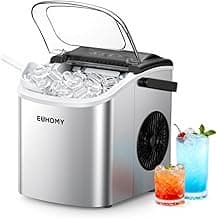
The Engineering Behind Premium Refrigerator Ice Maker Reviews
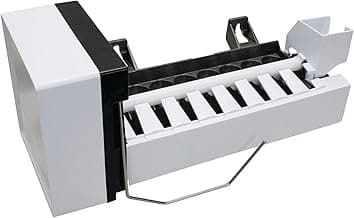
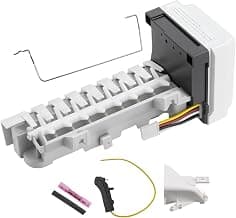
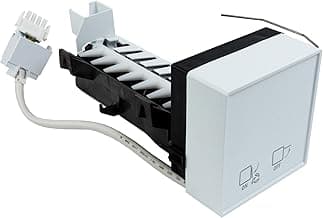
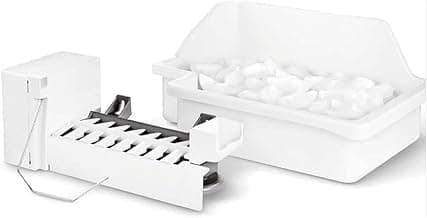
From a mechanical engineering perspective, ice production is a delicate balance of latent heat of fusion and precise timing. Refrigerator ice makers must operate in a high-moisture, sub-zero environment, which is inherently hostile to electrical components. High-quality units utilize thermally conductive aluminum molds coated with high-grade fluoropolymers to ensure that ice cubes release without mechanical strain on the harvest arm. Conversely, budget-oriented models often utilize thin plastic trays that are prone to fatigue cracking after several thousand cycles of thermal expansion and contraction.
Gifting a high-performance appliance is an investment in the recipient's daily comfort, requiring a balance between mechanical durability and functional elegance.
When analyzing the technical specifications in various reviews, one must scrutinize the "harvest cycle time." A standard internal unit typically requires 90 to 120 minutes per cycle, whereas optimized modules can reduce this to 60 minutes through improved airflow and direct-contact cooling. This is a critical factor when determining what to buy for someone who has a new home, as high-frequency entertaining requires a faster recovery rate than a standard family unit can provide.
Technical Comparison of Ice Maker Architectures
To assist in your selection process, the following data contrasts the three primary types of ice-making systems found in modern consumer refrigerators. This structured comparison highlights the trade-offs between space efficiency and mechanical output.
| Variable | In-Door Slim Modules | Internal Freezer Units | Dual-Ice Craft Systems |
|---|---|---|---|
| Daily Yield (Lbs) | 2.5 - 3.5 | 4.0 - 6.0 | Up to 8.0 |
| Storage Capacity | Limited (approx. 2 lbs) | High (approx. 5 lbs) | Maximum |
| Mechanical Complexity | High (Insulated Chute) | Moderate (Direct Drop) | Very High (Dual Motors) |
| Primary Failure Point | Air Seal Gaskets | Drive Gear Stripping | PC Board Logic Errors |
Addressing Diverse User Needs in Gifting
The "ideal" ice maker depends heavily on the recipient's living conditions. For small apartment dwellers, decibel limits are paramount. The sound of an ice harvest—the mechanical "clunk" and water fill—can be intrusive in open-concept floor plans. In these cases, look for reviews that emphasize insulated harvest bins which dampen the sound of falling ice. For those considering how much should a housewarming gift be, remember that a quieter, more efficient unit often carries a premium price that reflects its superior engineering.
Furthermore, users in regions with "hard" water face unique challenges. Mineral buildup, specifically calcium and magnesium, can clog the 1/4-inch solenoid valve, leading to either an overfill (causing a freezer flood) or a complete cessation of production. If your recipient lives in such an area, a modular ice maker that is easily accessible for descaling is a more empathetic gift than a "hidden" system that requires professional disassembly.
The BIFL Philosophy: Hidden Costs and Repairability
In the "Buy It For Life" (BIFL) community, refrigerator ice makers are often viewed with skepticism due to their high failure rates. Modern consumerism has shifted toward unitary designs that cannot be easily repaired. However, elite brands still offer modular units where the individual harvest motor or the thermal sensor can be replaced without discarding the entire assembly. When gifting, verify that replacement parts are readily available from third-party vendors, as the manufacturer's proprietary supply often diminishes after five years.
The hidden cost of ownership also includes water filtration. An ice maker is only as good as the water feeding it. Without a dedicated, high-micron filter, the ice will retain the odors of the freezer—a phenomenon known as "flavor migration." While some might opt for a best clear ice maker for aesthetic reasons, the purity of the ice is fundamentally a matter of chemical filtration and regular maintenance. Educate the recipient on the necessity of changing filters every six months to prevent bacteria growth in the supply line.
True luxury in appliances is not found in the number of buttons, but in the simplicity of its repair and the consistency of its output under stress.
Advanced Alternatives: When the Fridge Isn't Enough
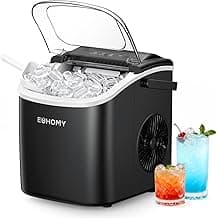
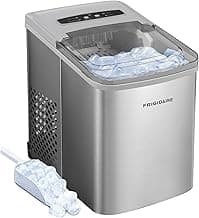
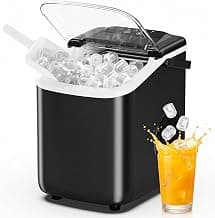
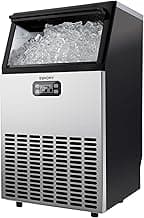
Sometimes, the internal capacity of a refrigerator simply cannot keep up with the demands of a large household or a home bar enthusiast. If your technical assessment of refrigerator modules suggests they will fall short, consider the best countertop nugget ice maker as a supplemental gift. These standalone units often utilize a completely different physical process—compression of ice flakes—rather than the mold-and-harvest method, resulting in the soft, chewable ice popularized by commercial establishments.
Frequently Asked Questions (AEO-FAQ Framework)
Is a professional plumber required to install a refrigerator ice maker?
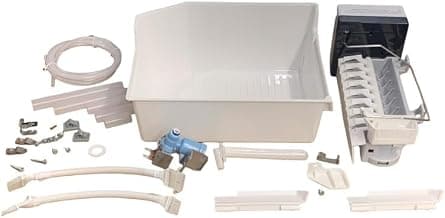
No, professional installation is generally unnecessary if the kitchen already has a 1/4-inch compression water line in place. Most modern ice maker kits are designed for "plug-and-play" integration with the refrigerator's existing wiring harness. However, if no water line exists, a homeowner must tap into the cold water supply using a saddle valve or a T-valve, which may require basic plumbing tools and knowledge of local building codes.
Why does ice from a refrigerator ice maker often taste like "freezer"?
The primary reason for "off-tasting" ice is the absorption of volatile organic compounds (VOCs) from uncovered food in the freezer compartment. This is compounded by stagnant water in the supply line and expired charcoal filters. To maintain neutral-tasting ice, users should use an airtight container for the ice bin, purge the water line if the unit has been idle for more than 48 hours, and strictly adhere to filter replacement schedules.
Can I upgrade my existing refrigerator's ice maker to a faster model?
Upgrading is usually not possible due to the rigid constraints of the refrigerator's firmware and physical cavity dimensions. The logic board of the refrigerator is programmed to send specific voltage pulses to the harvest motor and solenoid valve based on the original equipment manufacturer (OEM) specifications. Installing a different module can lead to timing errors, overfilling, or potential electrical shorts. It is always recommended to use the highest-rated compatible module specifically listed for that model number.
In conclusion, when interpreting the best refrigerator ice maker reviews for gifting purposes, focus on mechanical reliability, ease of maintenance, and the specific needs of the recipient's environment. By choosing a unit that balances these factors, you provide a gift that offers long-term value and consistent performance.