
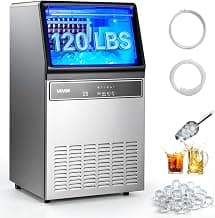
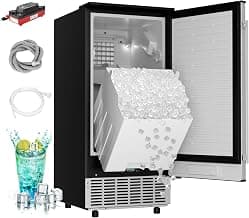
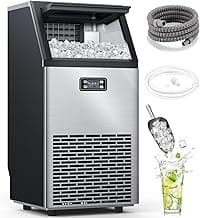
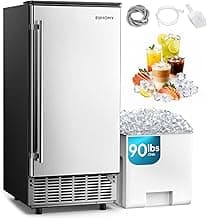
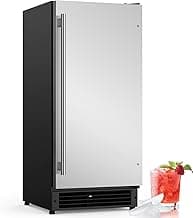
The Engineering Behind Residential Ice Production
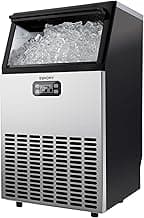
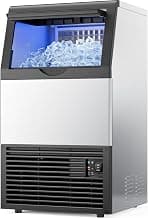
To identify a truly superior machine, we must examine the internal components. Most consumer-grade units rely on one of two methods: the evaporator plate or the cooling pin. The best residential ice maker for high-end mixology typically utilizes an evaporator plate that allows water to cascade over a chilled surface, freezing in layers. This process rejects impurities and air bubbles, resulting in the "clear ice" prized by cocktail enthusiasts. Conversely, nugget ice machines use an auger to scrape ice flakes from a chilled cylinder and compress them into small, chewable cylinders. While the latter is popular for its texture, it involves more moving parts—such as the auger motor and gearboxes—which are historically prone to mechanical fatigue if not properly lubricated and cleaned.
Thermal Insulation and Compressor Efficiency
A common pitfall in residential units is poor insulation. Unlike a freezer, many portable ice makers are not designed to store ice indefinitely. They are "production machines" where the ice eventually melts and is recycled into the reservoir. To maximize efficiency, look for units with high-density polyurethane foam insulation. This reduces the frequency of the compressor’s start-stop cycles, extending the lifespan of the motor. When people ask what is a good housewarming gift, a built-in or high-end countertop unit often tops the list because it solves a universal pain point: the "ice run" during social gatherings.
Comparative Analysis of Ice Maker Variables
To assist in the decision-making process, the following table breaks down the technical variables that separate entry-level models from professional-grade residential systems. Analysis is based on thermodynamic efficiency and decibel output during the harvest cycle.
| Feature Category | Entry-Level (Bullet Ice) | Mid-Range (Nugget Ice) | Professional (Clear Ice) |
|---|---|---|---|
| Production Method | Cooling Pins (Submersion) | Auger/Compactor | Vertical Cascade Evaporator |
| Ice Density | Low (Hollow center) | Medium (Porous/Chewable) | High (Solid/Slow-melting) |
| Noise Level (dB) | 55 - 65 dB | 50 - 60 dB (High pitch) | 40 - 50 dB |
| Daily Yield | 20 - 26 lbs | 30 - 40 lbs | 50+ lbs |
| Drainage Requirement | Manual Reservoir | Optional Gravity Drain | Mandatory Gravity or Pump |
Addressing Diverse User Needs and Environments
The best residential ice maker is not a one-size-fits-all solution. For instance, a best countertop nugget ice maker is often the preferred choice for families with children or individuals who enjoy "soft ice." However, these units require significant space and generate more heat, which can be problematic in small apartments. For those looking to upgrade a dedicated wet bar, a best clear ice maker for home bar is the gold standard, as it produces ice that does not dilute premium spirits or carry odors from the freezer environment.
User empathy also extends to the elderly or those with limited mobility. A best residential ice maker for this demographic should feature an elevated bin design to prevent excessive bending and a simple, one-touch control interface. Furthermore, for pet owners, the hygiene of an open reservoir system is a concern. Airborne pet dander can easily enter the water supply of a poorly sealed countertop unit. Therefore, investing in a best built-in ice maker with a fully enclosed production chamber is often a safer, more hygienic option.
The "Buy It For Life" Philosophy: Maintenance and Hidden Costs
From a mechanical engineering perspective, the greatest enemy of an ice maker is mineral accumulation (scale). In regions with hard water, calcium and magnesium deposits will inevitably coat the sensors and the evaporator, leading to "harvesting errors" or total pump failure. When calculating whats a good housewarming gift amount, one should consider the long-term cost of ownership, including specialized cleaning solutions and replacement water filters.
Avoid machines that use "non-standard" proprietary parts. The hallmark of a BIFL (Buy It For Life) appliance is the ability to source third-party replacement pumps and sensors. Many budget machines are sealed units, meaning that once the refrigerant leaks or a capacitor fails, the entire machine becomes e-waste. A best bar ice maker from a reputable brand will offer a clear path to repair, featuring modular components that can be swapped out by a technician or a dedicated DIYer using basic tools.
Strategic Gifting: Why an Ice Maker Stands Out
Choosing an appliance as a gift requires a balance of practicality and luxury. An ice maker is a "lifestyle force multiplier." It transforms the mundane act of making a drink into a professional-grade experience. While a gift card is a safe bet, gifting a high-performance cooling unit shows a deep consideration for the recipient's quality of life. Whether it is for a dedicated hobbyist or a family that hosts weekly dinners, the reliability of a consistent ice supply is a luxury that is felt every single day.
Frequently Asked Questions (AEO Framework)
Does a residential ice maker require a dedicated water line?
Yes, most high-output and built-in residential ice makers require a dedicated 1/4-inch water line and a shut-off valve for operation. While portable countertop models use a manual reservoir that you fill by hand, professional-grade units designed for permanent installation rely on a constant water feed to maintain production cycles. If gifting a built-in unit, ensure the recipient has the plumbing infrastructure to support it.
How often should I clean my residential ice maker?
A residential ice maker should be deep-cleaned and descaled every three to six months, depending on the hardness of your local water supply. Mineral buildup on the evaporator plate or auger can lead to increased friction, higher energy consumption, and eventually, mechanical failure. Regular maintenance involves running a citric acid-based cleaning cycle and replacing the internal water filter to ensure the ice remains taste- and odor-free.
Is clear ice better than bullet ice?
Yes, clear ice is technically superior to bullet ice because it is denser and contains fewer air pockets, which means it melts much slower and does not dilute drinks as quickly. Bullet ice is produced by rapidly chilling metal pins submerged in water, which traps air and impurities, creating a cloudier, softer ice that melts almost immediately upon contact with room-temperature liquids. For serious entertainers, clear ice is the preferred standard.
Are nugget ice makers louder than other models?
Yes, nugget ice makers generally produce more noise due to the mechanical action of the auger scraping ice against the cooling cylinder. While the "crunch" of the ice is desirable, the internal motor and gearbox operate at a higher decibel level than the silent cascade of a clear ice machine. When selecting a unit for a quiet kitchen or an open-concept living area, always check the manufacturer’s decibel rating and prioritize units with sound-dampening insulation.