
The Engineering Behind the Perfect Texture
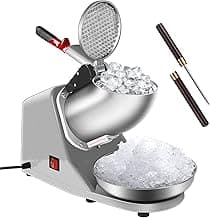
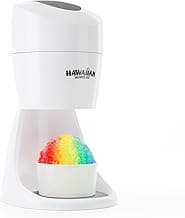
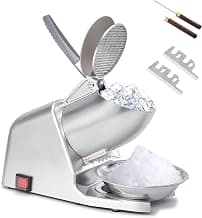
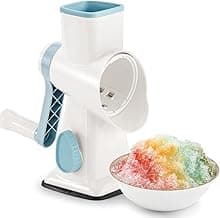
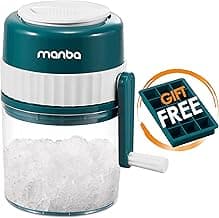
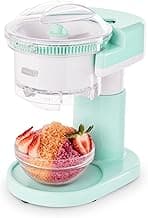
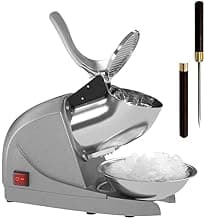
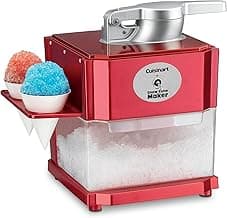
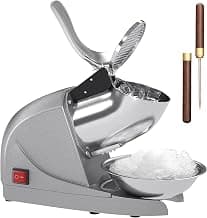
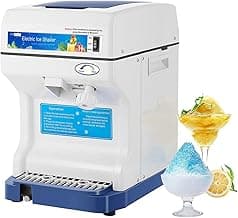
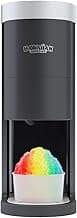
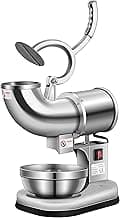
The fundamental difference between "crushed ice" and "shave ice" lies in the physics of the cut. While low-end blenders use blunt-force trauma to shatter ice into irregular, crunchy granules, the best shave ice machine for home use utilizes a micro-adjustable blade to shave layers from an ice block that are thin enough to absorb syrups through capillary action. This requires a high-torque motor that can maintain consistent RPMs even as the ice density varies. From a mechanical perspective, machines that use stainless steel blades with a hardness rating of at least 50 HRC (Rockwell Scale) are the only ones capable of maintaining a sharp edge after hundreds of cycles.
Gifting tech is about more than specifications; it is about upgrading the recipient's window to the digital world, ensuring every frame is a testament to quality.
When you are considering how to come up with good gift ideas for someone who values culinary precision, the technical specifications are paramount. A motor that lacks sufficient cooling will experience thermal throttling, leading to inconsistent ice textures and eventual coil failure. Expert testers often look for "dual-bearing" motor designs which reduce vibration and noise, making the machine suitable for apartment living where decibel limits are a factor.
Evaluating User Empathy: Physical Design and Accessibility
The best shave ice machine for home use must be accessible to a diverse range of users. For families with young children, a "no-exposed-blade" design and a magnetic safety interlock are non-negotiable features. Conversely, when considering what to buy for a creative person who enjoys artisanal hosting, the focus might shift to the level of manual control over the shave thickness.
For the elderly or those with limited grip strength, a machine with a large, ergonomic lever or a simple one-touch electronic button is superior to models that require significant downward pressure. Static weight distribution is also critical; a machine that is top-heavy may pose a tipping risk during the high-torque phase of shaving. A stable, wide-base footprint with non-slip silicone feet provides the necessary anchorage for safe operation on quartz or granite countertops.
Buy It For Life (BIFL): Maintenance and Hidden Costs
In a market flooded with disposable plastics, the BIFL philosophy is essential. Independent repair communities often warn against machines with molded-plastic gears. Once a single tooth on a plastic gear shears off—often due to using ice that is "tempered" incorrectly—the entire unit becomes e-waste. Premium units feature all-metal drivetrains and replaceable carbon brushes for the motors, ensuring they can be serviced rather than replaced. This level of durability makes them excellent best gift basket ideas for a milestone anniversary or retirement.
The hidden costs of operation usually center on proprietary ice molds. Some brands force users to buy specific plastic containers to create the "perfect" ice cylinder. While these provide better shaving stability, they represent an ongoing operational cost. The most versatile machines allow for the use of standard ice cubes, though the resulting texture rarely matches the "snow-like" consistency of a solid block. Furthermore, the availability of a best commercial hawaiian shaved ice machine component—specifically the blade—is a key indicator of the product's longevity.
Technical Comparison of Shave Ice Platforms
To assist in the decision-making process, the following table compares the three primary categories of home ice shaving technology based on mechanical variables and long-term utility.
| Feature | Entry-Level Electric | Professional-Grade Home | Manual Hand-Crank |
|---|---|---|---|
| Motor Type | Brushed DC (High Heat) | High-Torque Induction | N/A (User Torque) |
| Blade Material | Stamped Stainless Steel | Hardened Carbon Steel | Tempered Stainless |
| Ice Compatibility | Standard Cubes | Solid Blocks Only | Blocks/Cubes |
| Repairability | Non-disassemblable | Modular Components | High (Simple Mechanics) |
| Noise Level | 75-85 dB | 60-70 dB | <40 dB |
Direct Answer Framework: Frequently Asked Questions
Is a shave ice machine better than a snow cone maker?
Yes, shave ice machines are mechanically superior because they use a shaving action to produce fine, snow-like flakes, whereas snow cone makers use a crushing action that results in hard, crunchy ice. Shave ice allows syrups to be absorbed into the ice structure, while snow cone syrup merely pools at the bottom of the cup.
Can I use regular ice cubes in the best shave ice machine for home use?
While many home machines are compatible with regular cubes, the resulting texture is typically more granular and less "fluffy" than when using a solid block of ice. For the highest quality results, using a dedicated ice mold to create a solid cylinder is the recommended technical approach.
How often should the blades be replaced?
For a high-quality stainless steel blade, replacement is typically required after 100 to 150 blocks of ice. However, many users in the repair community suggest that professional sharpening can extend the life of a carbon-steel blade indefinitely, provided it is dried thoroughly after each use to prevent oxidation.
Alternative Gifts for the Tech-Minded Gourmet
If the recipient is more interested in digital creation or wearable technology than culinary tools, there are several other paths to explore. For those who enjoy intricate manual hobbies, exploring the best 3d pens can provide a similar level of "hands-on" creative satisfaction. Alternatively, for a gift that merges fashion with utility, the best smart glasses offer a glimpse into the future of integrated technology.
Ultimately, selecting the best shave ice machine for home use is an exercise in identifying a balance between mechanical durability and user experience. By prioritizing machines with metal internals, adjustable blades, and safe operation profiles, you ensure that your gift remains a functional part of the recipient's home for years to come, avoiding the pitfalls of "fast consumerism" and planned obsolescence.