
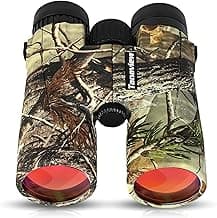
The Physics of Magnification: Why More Isn't Always Better
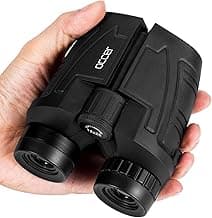
In the world of hunting optics, "size" usually refers to two numbers, such as 8x42 or 10x50. The first number represents the magnification power. While a novice might assume that higher magnification is inherently superior, experienced hunters often prefer 8x for several technical reasons. An 8x magnification provides a wider field of view (FOV), which is critical for scanning dense timber or tracking a moving animal. Furthermore, every increase in magnification also amplifies "hand shake." Without a tripod, a 12x or 15x binocular often results in a blurred image that makes it impossible to distinguish the tines on a rack or the texture of a distant slope.
Gifting tech is about more than specifications; it is about upgrading the recipient's window to the digital world, ensuring every frame is a testament to quality.
For those questioning How to come up with good gift ideas? for a western hunter who spends hours "glassing" vast plains, a 10x magnification is the standard compromise. It offers the extra reach needed for long-range identification while remaining just stable enough for off-hand use. However, for a hunter who primarily sits in a best hunting chair for blind in the thick woods of the East, the 8x configuration is the scientifically superior choice due to its superior FOV and light-gathering capabilities.
Objective Lens Diameter and the Low-Light Advantage
The second number in the size configuration (e.g., the "42" in 8x42) is the diameter of the objective lens in millimeters. This is the "aperture" of the binoculars. Its primary function is light collection. In the critical "golden hours" of dawn and dusk—when game is most active—the ability of the glass to funnel light to the eye is the difference between a successful hunt and a frustrated walk back to the camp.
The "Exit Pupil" is the most important metric here, calculated by dividing the objective lens diameter by the magnification. An 8x42 pair has an exit pupil of 5.25mm, whereas a 10x42 pair only offers 4.2mm. Because the human pupil can dilate to 5mm–7mm in low light, the 8x42 provides a brighter, more "usable" image when light is scarce. This makes the best 8x42 binoculars for hunting a perennial favorite for multi-species hunters.
| Configuration | Magnification | Exit Pupil | Best Use Case | Gifting Suitability |
|---|---|---|---|---|
| 8x32 | 8x | 4.0mm | Lightweight hiking / Archery | High (for mobile hunters) |
| 8x42 | 8x | 5.25mm | All-around / Dense woods | Premium (safest choice) |
| 10x42 | 10x | 4.2mm | Open plains / Mountains | High (for western hunters) |
| 10x50 | 10x | 5.0mm | Extreme low light | Moderate (heavy weight) |
BIFL Philosophy: Durability and Hidden Costs
When assessing What are the best-rated gifts for men?, we must look beyond the initial purchase price to the "hidden costs" of ownership. In optics, the hidden cost is the degradation of image quality and physical integrity over time. Budget-tier binoculars often use plastic chassis and low-quality seals that eventually allow moisture to seep into the barrels, leading to internal fogging and fungal growth that renders the unit useless.
A BIFL-grade gift should feature a magnesium alloy or high-grade polycarbonate chassis, nitrogen or argon purging for true waterproof/fogproof performance, and phase-corrected Roof prisms (BaK-4 glass). Furthermore, consider the warranty. Top-tier manufacturers offer "No-Fault" lifetime warranties. This adds immense value to a gift, as it ensures the recipient will never have to pay for repairs, even if the damage is accidental. Avoid "fast consumerism" optics that lack a repair path; once the collimation (alignment) is knocked out on a cheap pair, they are essentially landfill.
User Empathy: Matching Size to the Individual
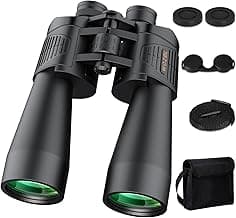
The physical limitations of the recipient should dictate the "size" of the gift. For an elderly hunter or someone with arthritis, the weight of the best 10x50 binoculars for hunting—which can exceed 30 ounces—may lead to neck strain and unstable viewing. In these instances, a mid-size 8x32 or 10x32 offers a significant reduction in weight without a total sacrifice of optical clarity, provided the lenses feature premium dielectric coatings to compensate for the smaller objective.
Conversely, for a young hunter with steady hands and a focus on late-evening stand hunting, the added bulk of a 50mm objective lens is a worthy trade-off for the increased "Twilight Factor." It is about prioritizing the user's specific pain points rather than buying based on a generic "top 10" list.
Direct Answer Framework: Frequently Asked Questions
Is a 10x42 better than an 8x42 for hunting?
No, "better" depends entirely on your environment; 10x42 is superior for long distances in open country, while 8x42 is superior for stability, field of view, and low-light performance in forested areas. The 8x42 is generally considered the most versatile gift because it is easier for the average user to hold steady for long periods.
What is the most common binocular size for a gift?
The 10x42 configuration is the most popular gift choice because it offers a significant "wow factor" in magnification while remaining portable. However, professionals often recommend the 8x42 for its more forgiving exit pupil and wider view, which reduces eye strain during extended use.
Are compact binoculars good for hunting?
Compact binoculars (e.g., 8x25 or 10x25) are excellent for weight savings but poor for hunting because their small objective lenses cannot collect enough light during dawn and dusk. They are a secondary tool for "scouting" rather than a primary tool for serious game identification.
In conclusion, the best size binoculars for hunting are those that harmonize with the hunter’s physical needs and the landscape they traverse. By focusing on exit pupil dynamics, chassis durability, and a lifetime warranty, you aren't just giving a gadget; you are giving a new way to see the world—one that will last for decades of adventures.