
Technical Breakdown: Neoprene vs. Nylon Constructions
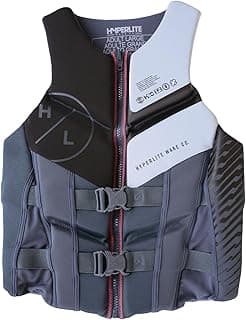
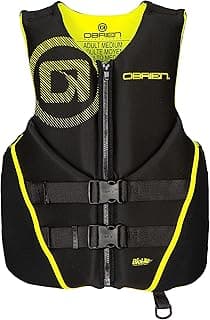
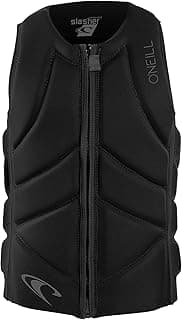
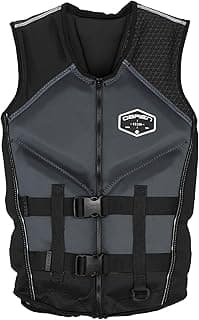
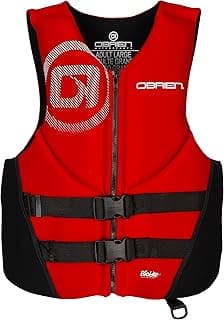
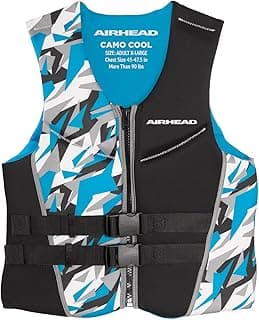
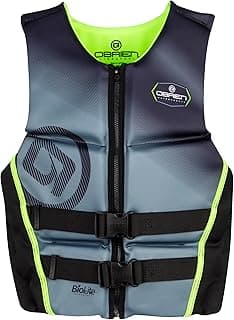
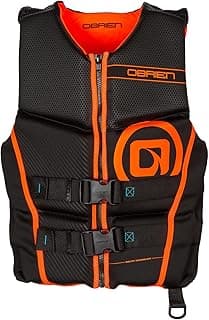
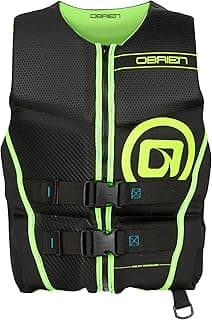
The choice between neoprene and nylon is the most significant technical decision in the gifting process. Neoprene vests are generally considered the premium choice for active skiers. The material is a synthetic rubber that provides inherent insulation and a "second-skin" fit. Because neoprene stretches, it allows for a higher range of motion, which is vital for maneuvers in water skiing. However, it is heavier when wet and requires careful drying to prevent material degradation.
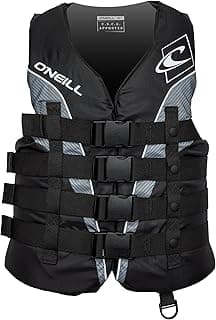
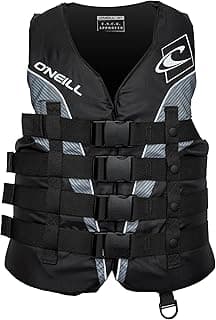
Conversely, nylon life jackets are lightweight, dry quickly, and are significantly more affordable. However, from a performance standpoint, they often lack the snug fit required for high-speed impact. A loose-fitting nylon vest can ride up toward the chin upon water entry, which is not only uncomfortable but potentially dangerous. For those considering best gift ideas for a woman or a man who participates in competitive skiing, a high-quality neoprene vest with segmented foam panels is the engineering standard for comfort and safety.
Gifting tech is about more than specifications; it is about upgrading the recipient's window to the digital world, ensuring every frame is a testament to quality.
Understanding Buoyancy and Impact Protection Standards
The United States Coast Guard (USCG) categorizes PFDs into "Types." For skiing, Type III is the most common, designed for "conscious users in calm water where quick rescue is likely." However, for high-speed skiing, "impact rating" is a separate and equally vital metric. This rating indicates the vest's ability to remain intact and provide torso protection during a fall at speeds exceeding 30-50 mph. When learning how to come up with good gift ideas for athletes, checking the speed rating of the vest's certification is a necessary expert step.
| Feature | Neoprene (High Performance) | Nylon (Recreational) |
|---|---|---|
| Flexibility | High (Segmented Foam) | Low (Fixed Panels) |
| Impact Protection | Enhanced (Dense PVC Foam) | Moderate (PE Foam) |
| Weight | Heavier (Retains some moisture) | Very Light |
| Durability | Subject to UV/Ozone aging | High Resistance to abrasion |
| Typical Use | Slalom, Trick Skiing, Jet Skiing | Leisure boating, Tubing |
Multi-dimensional User Empathy: Fitting Different Body Types
The "best" life jacket is objectively the one that fits the wearer perfectly. For female skiers, "women-specific" cuts are not marketing gimmicks; they are essential for safety. These vests feature narrower shoulders and contoured chest panels that prevent the vest from shifting. Similarly, for the elderly or those with limited mobility, choosing a vest with large, easy-to-grasp buckles and a front-entry zipper is far superior to side-entry models that require significant torso rotation to secure. This attention to detail mirrors the ergonomic requirements of best waterproof boots women, where fit directly impacts functionality.
Pet owners also represent a unique user group. If the recipient frequently takes their dog on the ski boat, a dedicated canine life jacket is a thoughtful addition. These must feature a reinforced lifting handle on the back, allowing the owner to safely hoist the pet back onto the vessel without putting pressure on the animal's spine or neck.
Buy It For Life (BIFL) Philosophy and Hidden Costs of Ownership
A high-quality ski life jacket should last between 5 to 7 years with proper maintenance, but it is not a "forever" product. The hidden cost of ownership lies in the gradual loss of buoyancy. The internal closed-cell PVC or PE foam naturally compresses over time. Furthermore, exposure to salt water and UV radiation causes "sun-rot" on the stitching and webbing. To maximize the lifespan of this gift, the recipient must be instructed to rinse the vest in fresh water after every use and dry it in a shaded, well-ventilated area.
Skeptics might argue that any flotation device is sufficient, but cheap, unbranded vests often use low-density foam that absorbs water over time, becoming a weight rather than a lift. In the repair community, it is well-known that once the outer fabric of a life jacket is punctured or the webbing shows signs of fraying, the unit is non-repairable and must be discarded. Gifting a premium brand ensures that the buckles and zippers—often the first points of failure—are made of marine-grade polymers and stainless steel that resist corrosion.
Frequently Asked Questions (FAQ)
Is a "comp vest" the same as a Coast Guard-approved life jacket?
No, competition vests (comp vests) are often not USCG-approved because they prioritize maximum flexibility over maximum buoyancy. While they are popular among professional wakeboarders and skiers, they will not keep an unconscious person's head above water and may not be legal in areas where USCG-approved PFDs are mandated. Always verify the certification before gifting.
How do I know if the life jacket is too small?
The vest is too small if you cannot zip it comfortably or if it restricts breathing. A simple test is to have the wearer raise their arms above their head; if a friend can pull the vest up toward the ears, it is either too large or the straps are not tight enough. The fit should be snug but allow for a full deep breath.
Can I use a ski life jacket for other water sports?
Yes, the best ski life jackets are versatile and can be used for kayaking, paddleboarding, and general boating. However, a vest designed specifically for kayaking may have high-back foam to accommodate a seat, which a ski-specific vest might lack. If the recipient does multiple sports, a "multi-sport" Type III PFD is the most logical choice.
Do life jackets have an expiration date?
They do not have a hard expiration date, but they should be replaced if the foam feels brittle, if the fabric is faded (indicating UV damage), or if it no longer provides the rated lift in a pool test. Regular inspections are part of responsible ownership for any safety-critical gear.
In conclusion, when looking for the best ski life jackets, you are investing in a fusion of safety engineering and sporting freedom. Whether the recipient is an aggressive slalom skier or a casual weekend boater, the right vest ensures that their time on the water is defined by performance rather than risk. By focusing on material integrity, certification standards, and ergonomic fit, you provide a gift that is both practical and life-preserving.