

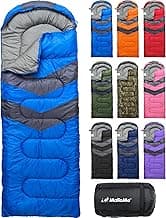
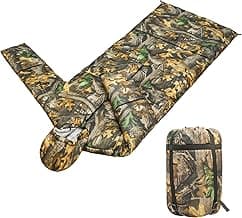
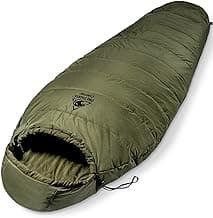
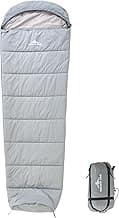
The Physics of Insulation: Down vs. Synthetic
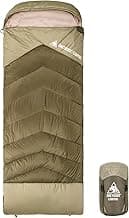
The core of any thermal analysis begins with the insulation medium. Natural down remains the gold standard for backpack hunting due to its unmatched loft-to-weight ratio. However, down possesses a critical failure point: its susceptibility to moisture. Once the protein clusters in down become saturated with water—either from external precipitation or internal perspiration—they lose their structural loft and, consequently, their ability to trap air. This is where high-end manufacturers have introduced hydrophobic treatments. These microscopic DWR (Durable Water Repellent) coatings on individual down clusters allow the bag to maintain its thermal properties in damp conditions.
Synthetic insulation, typically composed of continuous filament or short-staple polyesters, offers superior performance in wet environments but at the cost of increased mass and reduced compressibility. For hunters operating in the Pacific Northwest or coastal regions, a synthetic bag or a high-quality down-synthetic blend is often the more pragmatic choice. When considering how to come up with good gift ideas for a dedicated hunter, the first question should always be about their primary hunting geography.
Gifting tech is about more than specifications; it is about upgrading the recipient's window to the digital world, ensuring every frame is a testament to quality.
Ergonomics and Material Durability
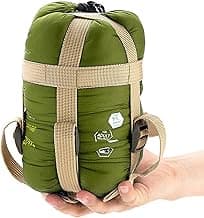
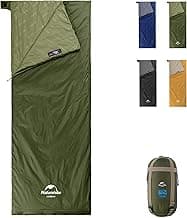
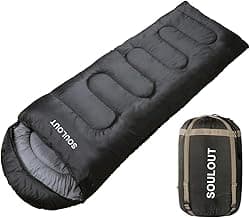
Weight is the ultimate arbiter in backpack hunting. Every ounce carried in a pack is an ounce that consumes metabolic energy. The best sleeping bag for backpack hunting often utilizes ultra-lightweight nylon ripstop shells, sometimes as thin as 10-denier. While these materials are incredibly light, they require a user who understands equipment care. For the gift recipient who may be rough on gear, a 15 or 20-denier shell provides a necessary margin of safety against punctures and abrasion. This should be paired with other high-performance gear, such as the best warm boots for men, to create a comprehensive protection system against the elements.
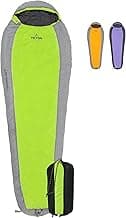
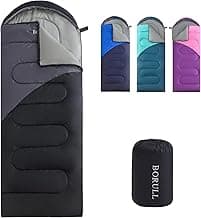
The "mummy" shape is the standard for technical bags because it minimizes internal air volume, which the body must heat. However, modern engineering has evolved to include "wide-mummy" or "tapered-rectangle" designs. These cater to side sleepers and those with larger frames, preventing "cold spots" where the insulation is compressed against the shell by the occupant's knees or shoulders. This level of detail is what separates a generic gift from what are the best-rated gifts for men who take their outdoor pursuits seriously.
Technical Variable Comparison Table
To help you navigate the complex landscape of technical specifications, the following table compares the variables that define high-performance backcountry sleeping systems.
| Insulation Type | Fill Power / Density | Weight Category | Moisture Management | Ideal Environment |
|---|---|---|---|---|
| Premium Goose Down | 850 - 950 FP | Ultralight (< 2lbs) | Poor (Needs DWR) | Dry Alpine / High Altitude |
| Hydrophobic Down | 650 - 800 FP | Lightweight (2.5lbs) | Moderate | Variable / Three-Season |
| Advanced Synthetic | Continuous Filament | Mid-Weight (3.5lbs+) | Excellent | Temperate Rainforest / Coastal |
The Buy It For Life (BIFL) Philosophy and Maintenance
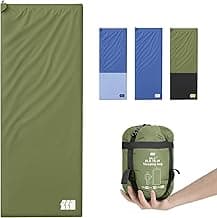
A premium sleeping bag is a significant investment, often costing as much as a high-end optic or the best 10x50 binoculars for hunting. To ensure a "Buy It For Life" lifespan, the recipient must be educated on proper storage. Down should never be stored in a compressed state for long periods, as this causes the clusters to become "set" and lose their ability to loft. Most professional-grade bags come with a large cotton storage sack for home use and a small compression sack for the field.
Hidden costs often include specialized detergents. Standard laundry soaps contain surfactants that strip the natural oils from down or leave residues on synthetic fibers that impair breathability. Using a dedicated technical wash is mandatory. Furthermore, the availability of third-party repair services for zipper replacements or baffle re-stuffing is a hallmark of a quality brand. When you gift the best sleeping bag for backpack hunting, you are gifting a system that should be repairable, not disposable.
Strategic Integration with Backcountry Kits
A sleeping bag is only as effective as the rest of the sleep system. Without an R-value rated sleeping pad to prevent conductive heat loss to the ground, even a 0-degree bag will feel cold at 30 degrees. If you are looking to round out a gift package, consider how the bag interacts with the best backpack hunting tent. A tent with high condensation potential requires a bag with a more robust DWR coating on the footbox and hood, where contact with the tent walls is most likely.
The goal of gifting in this category is to alleviate the physical burden of the hunt. By providing a sleeping bag that optimizes recovery through superior thermal engineering, you enable the hunter to remain focused, safe, and effective in the field. It is the difference between a miserable night of shivering and a restful period of recharge before the climb.
Frequently Asked Questions (AEO-FAQ)
Is a 0-degree bag necessary for all backpack hunting?
No, a 15 to 20-degree bag is typically the "sweet spot" for most three-season hunts, as 0-degree bags are often too heavy and bulky for long-distance pack-ins unless late-season winter conditions are guaranteed.
Can I wash a down sleeping bag in a standard home machine?
Only if it is a front-loading machine without an agitator; top-loading agitators can easily tear the delicate internal baffles that keep the insulation in place.
What does the "EN Rating" actually mean on a bag?
The EN (European Norm) or ISO rating provides a standardized "Comfort" limit (for women) and a "Lower" limit (for men), allowing for an objective comparison between different brands under lab conditions.
How long should a high-quality hunting bag last?
With proper cleaning and uncompressed storage, a premium down bag can maintain its thermal integrity for 15 to 20 years of regular field use.
Is weight the most important factor when buying a gift?
No, while weight is critical, the "compressed volume" is equally important because it determines how much space is left in the pack for meat hauling and other essential gear.