
The Physics of Compact Optics: Trade-offs and Triumphs
In the world of hunting optics, "small" typically refers to binoculars with an objective lens diameter between 25mm and 32mm. To the uninitiated, the smaller lens might suggest inferior performance, but modern optical engineering has bridged the gap. High-performance compacts utilize high-density (ED) or extra-low dispersion (HD) glass to mitigate chromatic aberration—the color fringing that often occurs when light passes through smaller lens surfaces. For a gift to truly stand the test of time, it must feature fully multi-coated lenses; anything less results in significant internal light reflection, leading to a "milky" image that fails in the shadows where game often hides.
Exit Pupil and Low-Light Realities
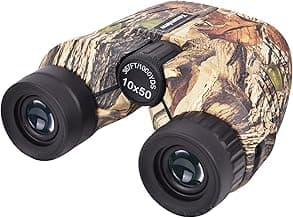
A critical technical variable is the exit pupil, calculated by dividing the objective lens diameter by the magnification (e.g., 8x25 yields a 3.1mm exit pupil). While a 3.1mm beam is sufficient for bright daylight, it is significantly smaller than the human pupil's dilation in low light. This is why compacts are specialized tools for the "active hunter"—those who glass while hiking or stalking during midday. If the recipient primarily hunts from a stationary blind during the deep twilight of dawn or dusk, you might consider the best 10x50 binoculars for hunting, which offer a much larger exit pupil for superior light gathering, albeit at a significant weight penalty.
Gifting tech is about more than specifications; it is about upgrading the recipient's window to the digital world, ensuring every frame is a testament to quality.
Analyzing User Segments for the Perfect Gifting Match
Not every hunter has the same physical needs. When evaluating the best small binoculars for hunting, we must categorize recipients based on their specific environment and physical constraints. This helps answer the broader question of how to come up with good gift ideas that offer genuine utility.
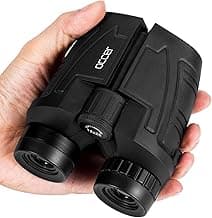
For the Backcountry Minimalist, every ounce is a liability. A compact 8x25 or 10x25 model with a double-hinge design allows the unit to fold small enough to fit into a shirt pocket. This setup is ideal for those who already carry a heavy load, perhaps including a best backpack hunting tent, where total pack weight is the primary concern.
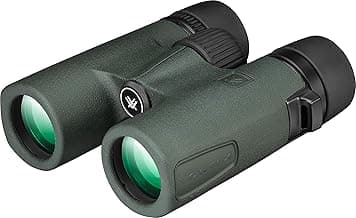
Conversely, the Aging Hunter or Youth Learner may suffer from hand tremors or lack the fine motor skills to stabilize high-magnification optics. In these cases, an 8x32 "mid-size" compact is the superior gift. The 8x magnification provides a wider field of view and a more stable image compared to 10x models, while the 32mm objective provides a more forgiving "eye box," making it easier for the user to align their eyes with the lenses quickly.
Mechanical Durability: The "Buy It For Life" (BIFL) Standard
A gift that fails after one season of rain or a single accidental drop is a poor investment. When searching for the best small binoculars for hunting, durability is non-negotiable. Look for magnesium alloy or high-grade polycarbonate chassis. Magnesium is lighter and more rigid, providing better protection for the sensitive internal prism alignment (collimation).
Furthermore, ensure the unit is nitrogen or argon-purged. This process replaces the air inside the barrels with a dry gas, preventing internal fogging when moving from a warm truck into the cold morning air. Check the sealing; an IPX7 rating ensures the binoculars can withstand immersion in water, which is a common occurrence in marshy environments or during unexpected downpours. These rugged features are what characterize best binos for hunting that can be passed down through generations.
Comparative Analysis of Compact Binocular Variables
The following table compares the physical and optical variables of the three most common compact hunting configurations to help you decide which is most suitable as a gift.
| Configuration | Avg. Weight (oz) | Exit Pupil (mm) | Field of View (ft @ 1000yd) | Primary Use Case |
|---|---|---|---|---|
| 8x25 Compact | 9 - 11 | 3.1 | 340 - 390 | Extreme portability / Scouting |
| 10x28 Compact | 10 - 13 | 2.8 | 280 - 310 | Long-distance daylight glassing |
| 8x32 Mid-Size | 15 - 20 | 4.0 | 390 - 440 | All-day comfort / Low light balance |
While the 8x32 is the heaviest of the "small" category, it often represents the "sweet spot" for most hunters. It balances the need for portability with the optical performance typically found in best 8x42 binoculars for hunting, making it a highly versatile choice for someone who only wants to own one pair of optics.
The Hidden Costs of Cheap Optics
In the budget market, manufacturers often cut corners on prism types and coatings. Many "pocket" binoculars use BK-7 glass prisms, which have a lower refractive index and result in a squared-off exit pupil, losing light at the edges of the image. A true BIFL gift should utilize BaK-4 (Barium Lightweight) glass, which ensures a perfectly round exit pupil and superior edge-to-edge sharpness. Additionally, be wary of "focus-free" models; these lack an adjustable center focus wheel and rely on the user's eyes to compensate, which leads to significant eye strain over time. Investing in a unit with a smooth, precise focus mechanism is essential for answering What makes a memorable gift?—it's the gift of comfort and clarity.
Gifting Etiquette: More Than Just the Hardware
When presenting the best small binoculars for hunting to gifts for my best friend or a family member, consider the accessories. A high-quality chest harness is often a better addition than the standard neck strap included in the box. A harness distributes the weight across the shoulders and keeps the binoculars from bouncing against the chest while climbing, effectively making even the heaviest compact feel weightless.
Frequently Asked Questions (AEO-FAQ)
Is 8x or 10x magnification better for small hunting binoculars?
8x magnification is generally superior for small binoculars because it offers a wider field of view, a brighter image due to a larger exit pupil, and is significantly easier to hold steady without the use of a tripod. While 10x magnification provides more detail, it emphasizes hand tremors and often results in a dimmer image in the smaller 25mm or 28mm objective sizes.
Can compact binoculars be used for bowhunting?
Yes, compact binoculars are the preferred choice for bowhunters who need to manage their movement and gear weight in a tree stand or during a stalk. The smaller size ensures the optics do not interfere with the bowstring during the draw cycle, a common frustration with larger, full-sized binoculars.
Do I need to spend more than $300 for a good pair of compact hunting binoculars?
Yes, if you want professional-grade durability and "Buy It For Life" quality. While budget models exist, the precision required to align small prisms and the cost of high-quality lens coatings usually mean that the $300 to $600 range is where you find the best balance of mechanical reliability and optical clarity. Units in this price bracket also typically include lifetime warranties that cover accidental damage.
Are small binoculars waterproof?
Most reputable hunting-specific compact binoculars are waterproof and fog-proof, but you must verify the specific IPX rating. Look for O-ring seals and internal gas purging (nitrogen or argon), which are standard in high-quality hunting gear but often omitted in generic "travel" binoculars.
In conclusion, finding the best small binoculars for hunting involves balancing the laws of physics with the practical needs of the hunter. By prioritizing glass quality, mechanical housing, and a stable magnification, you can provide a gift that enhances the recipient's connection to the outdoors for years to come.