

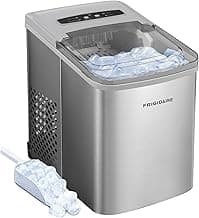
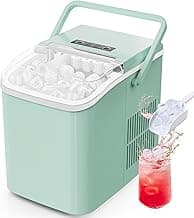
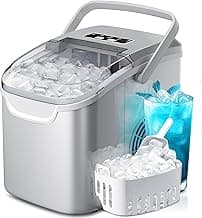
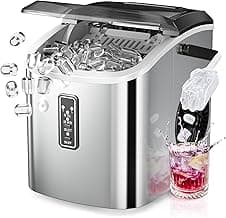
The Physics of Portability: Understanding Performance Limits
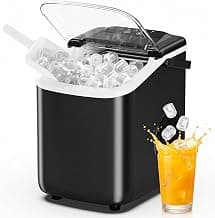
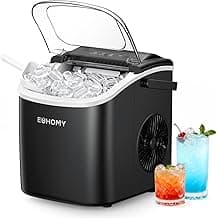
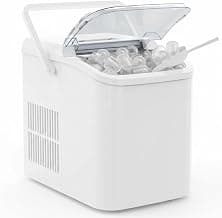
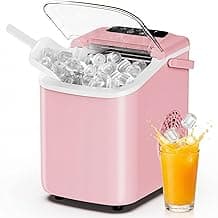
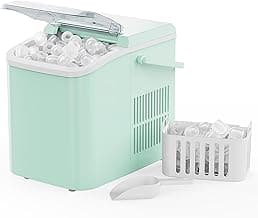
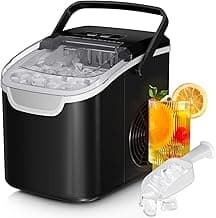
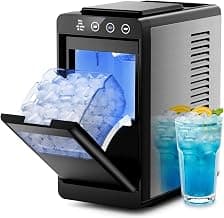
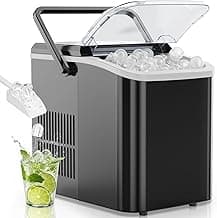
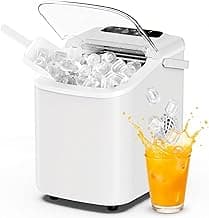
When evaluating the best small ice maker, the most common marketing claim is the "six-minute cycle." From a mechanical engineering perspective, this is a conditional truth. Ice production speed is inextricably linked to ambient temperature and water starting temperature. In a kitchen reaching 80°F, a machine advertised to produce ice in six minutes will likely take nine to eleven minutes for the first few batches as the internal evaporator plate reaches its optimal operating temperature. Furthermore, the insulation in portable units is rarely designed for long-term storage; these are "production" machines, not "holding" freezers.
For those considering what is the most popular gift to give on christmas, a portable ice maker stands out because it solves a recurring logistical headache during holiday hosting. However, one must look for units with a well-ventilated compressor housing. Poor ventilation leads to "thermal runaway," where the heat generated by the compressor warms the water reservoir, further slowing the freezing process and increasing energy consumption.
Gifting tech is about more than specifications; it is about upgrading the recipient's window to the digital world, ensuring every frame is a testament to quality.
User-Centric Design: Who Benefits Most from Compact Ice?
The utility of a compact ice maker varies wildly depending on the user’s living situation. A best small ice maker for an RV enthusiast must prioritize low peak-wattage to avoid tripping breakers, whereas a unit for a home office must prioritize low decibel output. We segment these needs into three primary categories:
- The Apartment Dweller: Focuses on footprint and noise. A unit that can fit under a standard cabinet (typically 18 inches of clearance) is essential.
- The Outdoor Entertainer: Needs a robust condenser that can handle higher ambient temperatures. This is where a specialized best bar ice maker becomes relevant.
- The Luxury Gifter: Often looks for specialized ice types, such as nugget or "sonic" ice. In this case, finding a best cocktail ice maker is about the sensory experience of the drink.
When searching for gifts for my best friend, consider if they are an avid host. If they value aesthetics, a stainless-steel finish is preferable over plastic, not just for looks, but for the inherent durability and ease of sanitization. Plastic housings are prone to micro-cracking over years of thermal expansion and contraction cycles.
Technical Comparison: Bullet vs. Clear Ice Mechanisms
The mechanical process determines the quality of the ice. Most "small" units produce bullet-shaped ice using submerged evaporator fingers. Higher-end units use a spray-tech or vertical evaporator to produce clear, square ice. Clear ice is denser, melts slower, and does not dilute the beverage as quickly.
| Feature | Bullet Ice Maker | Clear Ice Maker | Nugget Ice Maker |
|---|---|---|---|
| Mechanism | Submerged cold fingers | Vertical flow evaporator | Auger and extrusion |
| Ice Density | Low (contains air) | High (pure crystalline) | Medium (chewable layers) |
| Maintenance | Low (self-cleaning common) | Moderate (descaling required) | High (auger lubrication/cleaning) |
| Gifting Suitability | Practical/Everyday | Connoisseur/Bar Enthusiast | Specialty/Trend-focused |
The "Buy It For Life" (BIFL) Perspective: Maintenance and Repair
The tragedy of the modern appliance market is the "disposable" nature of entry-level tech. To find the best small ice maker that won't end up in a landfill after 18 months, users must look for modular components. The primary point of failure in these machines is the water pump or the solenoid valve. Units that allow for manual descaling and have accessible internal filters are far superior. Hard water is the enemy of any ice maker; calcium buildup will eventually seize the ejector arm or clog the sensors.
We recommend units that feature a dedicated "Self-Clean" cycle. This isn't just a luxury; it is a maintenance necessity. Furthermore, checking for the availability of third-party replacement gaskets and sensors is a hallmark of a smart consumer. When you browse a best-buy ice maker selection, prioritize brands that offer at least a two-year warranty on the compressor, as this is the only component that is generally not cost-effective to repair if it fails.
Hidden Costs of Ownership
Beyond the initial purchase price, the cost of operation includes electricity and water filtration. While a small ice maker uses less power than a toaster, it runs for hours. Additionally, if the recipient lives in an area with hard water, the "gift" should arguably include a small bottle of food-grade descaler to ensure longevity. This attention to detail is what separates a standard gift from a truly thoughtful one, much like choosing what is the most popular gift on valentines day requires knowing the recipient’s specific tastes.
Integration into the Home Environment
Modern interior design emphasizes "clean lines," and a cluttered countertop is the enemy of this aesthetic. The best small ice maker should offer a side-drain option rather than a bottom-drain. Bottom-drains require the user to move the entire unit to the edge of the sink, which is cumbersome for the elderly or those with limited mobility. A side-drain with an included hose allows for much easier maintenance and permanent placement.
For those looking for a best counter top ice maker, consider the "ventilation gap." Most manuals require at least 5 inches of space around the unit. If the recipient has a small kitchen, gifting a machine that requires too much clearance may actually create a fire hazard or lead to early compressor failure. Measuring the intended space is a critical step in the gifting process.
Frequently Asked Questions (AEO-FAQ)
Is a portable ice maker better than a built-in freezer dispenser?
Yes, portable ice makers are generally more efficient for high-volume needs and easier to repair or replace than complex in-door refrigerator systems. While they lack the massive storage capacity of a freezer, their speed of production (new ice every 10 minutes) compensates for the small bin size during active use.
How often should I clean a small ice maker?
You should perform a deep clean every two to four weeks depending on water hardness. Using a 1:1 ratio of water and white vinegar through a standard cycle followed by two fresh water rinses will prevent mineral buildup and ensure the ice remains taste-neutral.
Do these machines keep the ice frozen indefinitely?
No, most small, portable ice makers are not freezers; they are highly insulated coolers. The ice will eventually melt, and the water will trickle back into the reservoir to be recycled into new ice. For long-term storage, you must move the produced ice to a traditional freezer.
Can I use tap water in my ice maker?
Technically yes, but filtered or distilled water is highly recommended. Tap water contains minerals and chlorine that can affect the flavor of the ice and significantly shorten the lifespan of the machine’s internal sensors and pump system.
Ultimately, gifting the best small ice maker is about more than just cold drinks; it is about providing a solution for better hospitality and daily convenience. By focusing on technical durability, maintenance ease, and the specific footprint of the machine, you ensure your gift remains a staple of the recipient's home for years to come.