
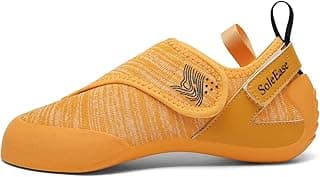
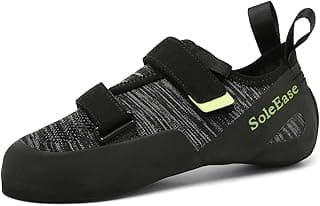
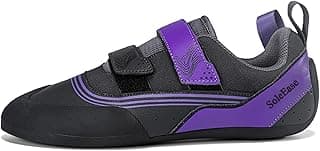
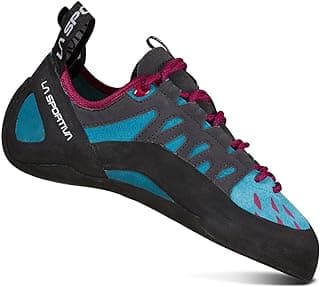
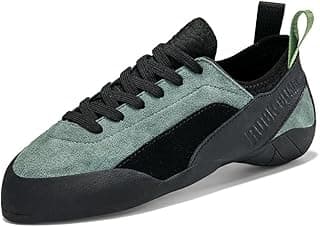
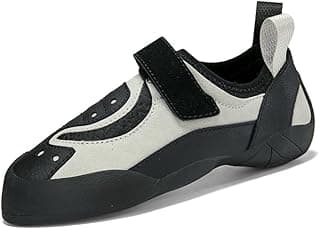
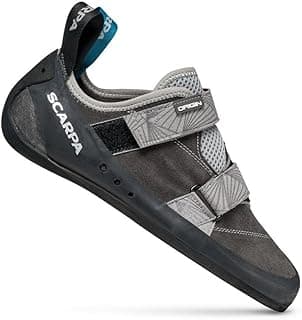
Gifting climbing gear requires a deeper level of thought than buying a standard piece of athletic wear. It is about understanding the recipient's journey. Are they a beginner finally moving past the rental shoe phase? Or are they a seasoned veteran working on a difficult project that requires precision-engineered rubber? When you provide someone with the right tools to pursue their passion, you aren't just giving them a product; you are giving them the confidence to step onto smaller footholds and the motivation to push through a "crux" they once thought impossible. It ranks high among the best birthday gift ideas for the adventurous soul.
Climbing is a sport built on progression. Every time a climber reaches a new grade, they feel a sense of profound accomplishment. However, high-quality gear can be expensive, and many climbers will continue to use worn-out, "blown-out" shoes long after they should have been retired. By gifting a pair of high-performance shoes, you are solving a practical problem while delivering an emotional boost. If you are looking for best gift ideas for him or a special best gift ideas for a woman who loves the vertical world, you really cannot go wrong with specialized footwear.
"A great pair of climbing shoes doesn't just protect the feet; it provides the literal friction needed to turn a dream of an ascent into a reality."
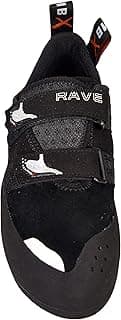
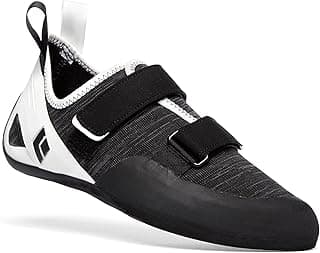
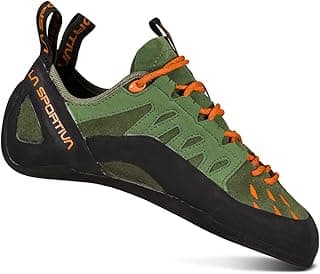
When searching for the best sport climbing shoes, the first thing to consider is the "shape" or "last" of the shoe. In the climbing world, shoes are categorized into three main profiles: neutral, moderate, and aggressive. A neutral shoe is flat and comfortable, making it perfect for beginners or for long days of multi-pitch climbing where the feet need to stay in the shoes for hours. Moderate shoes have a slight "downturn," which helps the climber pull in on steeper terrain. Aggressive shoes are highly curved, designed to hook onto tiny edges and overhangs. While aggressive shoes might look strange to a non-climber, for a sport climber, they are the key to elite performance.
Sizing is the most notorious challenge in the climbing community. Unlike best trainers for men or standard best hiking boots for women, climbing shoes are meant to fit extremely snugly—often to the point of being slightly uncomfortable for the first few sessions. The goal is to eliminate any "dead space" inside the shoe so that when the climber stands on a tiny nub of rock, the force is transferred directly to the toe. If you are buying these as a gift, it is often wise to check their current shoe size or even better, look at the size of their current climbing shoes, as brands like La Sportiva or Scarpa size differently than street shoes.
Beyond the technical fit, think about the material. Leather shoes will stretch up to a full size over time, molding perfectly to the foot. Synthetic shoes, however, will barely stretch at all. This distinction is crucial for the gifting process. If the person you are buying for values a custom, "glove-like" fit and doesn't mind a bit of a break-in period, leather is a classic choice. If they want a shoe that performs exactly the same from day one to day one hundred, synthetic is the way to go. This attention to detail is what makes a gift truly memorable, often leading the recipient to reflect on what is the best birthday gift you have ever received and realizing it was the one that showed how much the giver truly cared about their hobbies.
"The best gift is one that bridges the gap between where someone is and where they want to be."
Consider the type of climbing they do most often. Sport climbing specifically involves fixed bolts and usually focuses on difficult, technical movements. For this, shoes with "sticky rubber" are a must. Different manufacturers have secret recipes for their rubber compounds—some are harder and more durable for sharp limestone, while others are softer and "stickier" for smearing on smooth granite. If your gift recipient is a "gym rat" who spends most of their time on plastic holds, they might prefer a softer shoe that allows for more sensitivity and "smearing" on large volumes.
The closure system is another point of preference. Velcro (hook-and-loop) straps are incredibly popular for sport climbing because they allow the climber to quickly take their shoes off between attempts on a route. Laces, on the other hand, offer a more customizable fit, allowing the climber to tighten specific areas of the shoe. Slippers are the most minimal option, often used for training because they force the feet to become stronger. For a gift, a high-quality Velcro shoe is usually the safest and most appreciated bet due to its versatility and ease of use.
If you feel overwhelmed by the technical specs, remember that the "thought" in "it's the thought that counts" refers to your effort to understand their world. You can always include a "gift certificate for a professional fitting" alongside a photo of the shoes you intend to buy. This ensures they get the exact fit they need while still enjoying the surprise of a high-end gift. This approach is much more thoughtful than many gifts for my best friend that might just sit on a shelf. A climbing shoe is a tool for movement, for health, and for outdoor connection.
"Success on a rock face is 10% strength, 10% technique, and 80% believing your feet won't slip."
In the end, gifting the best sport climbing shoes is about more than just the rubber and the suede. It is an investment in their safety and their joy. Every time they lace up or strap in at the base of a beautiful cliff, they will think of the person who supported their wild, vertical ambitions. Whether they are climbing for the physical challenge or the mental clarity that comes from being hundreds of feet above the ground, your gift becomes a part of their story. It is a testament to their strength and your belief in their potential.
Gifts are for making an impression, not just for the sake of it. GiftsPick - Meticulous, Kind, Objective.