
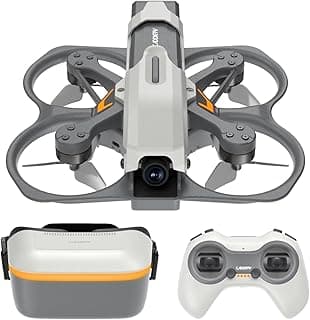
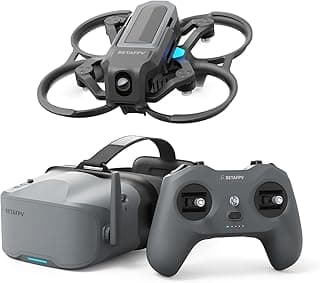
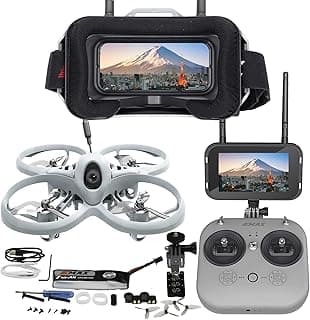
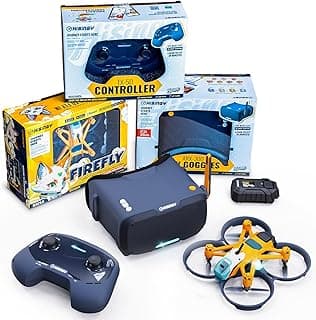
The Technical Anatomy of an FPV Starter Kit
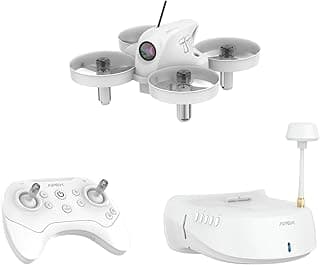
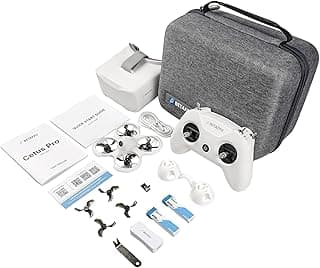
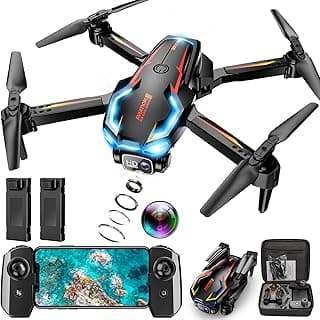
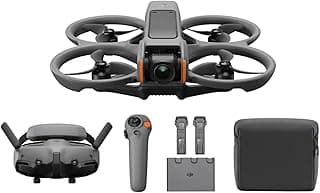
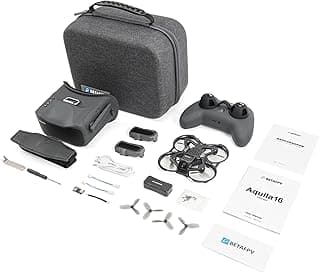
The "First Person View" experience depends entirely on the ecosystem of the drone, the radio transmitter (controller), and the goggles. For a beginner, a "Ready-To-Fly" (RTF) kit is often the most logical path, but not all kits are created equal. We must distinguish between "brushed" motor systems, which are cheaper but have a finite lifespan before the motors burn out, and "brushless" systems, which offer higher torque-to-weight ratios and nearly indefinite operational life, provided the bearings are maintained.
Frame Durability and User Empathy
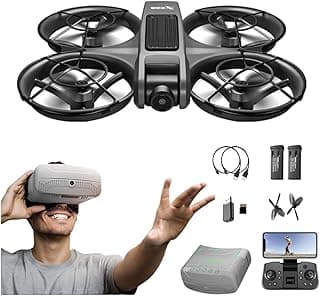
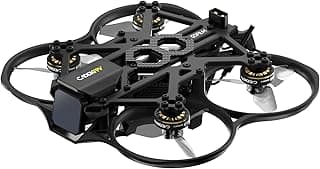
User empathy in FPV design means acknowledging that every pilot is a student of gravity. A starter drone for a small apartment dweller requires ducted fans (Whoop style) to protect both the furniture and the drone’s propellers from impact. Conversely, an outdoor enthusiast requires a more rigid carbon fiber frame that can handle wind resistance. We must also consider What is someone that loves technology?—they likely appreciate a system that allows for digital growth rather than a closed-loop proprietary toy.
The following table outlines the critical technical variables that separate a high-quality starter system from a low-end consumer imitation:
| Technical Variable | Toy-Grade (Avoid for Gifts) | Best Starter FPV Standards |
|---|---|---|
| Motor Type | Brushed (Mechanical friction, high wear) | Brushless (Electromagnetic, high efficiency) |
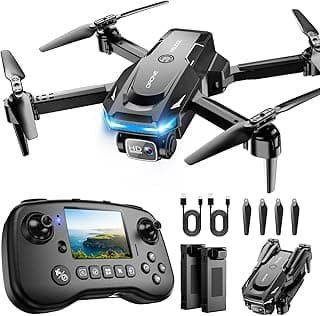
| Video Latency | >100ms (High delay, causes motion sickness) | <30ms (Low latency, responsive control) |
| Radio Protocol | Proprietary 2.4GHz (Short range, interference) | ELRS / Crossfire (Long range, high penetration) |
| Repairability | Glue/Snap-fit (Single-use design) | Modular Screws/Solder (Easily repairable) |
Gifting tech is about more than specifications; it is about upgrading the recipient's window to the digital world, ensuring every frame is a testament to quality.
The "Buy It For Life" Philosophy in Drone Gifting
The FPV community is deeply rooted in a repair-and-reuse culture. Therefore, the best starter fpv drone is one that allows for the replacement of individual components—the Electronic Speed Controller (ESC), the Video Transmitter (VTX), and the Flight Controller (FC). When you are researching How to come up with good gift ideas?, look for systems that use standard mounting patterns (e.g., 25.5x25.5mm). This modularity ensures that when a component inevitably fails due to thermal stress or physical impact, the recipient can solder on a replacement rather than discarding the entire unit.
Protecting the Pilot’s Vision
A hidden cost of FPV flight is eye strain. Because pilots must stare into high-brightness goggles for extended periods, gifting a pair of best blue light blocking glasses brands for use during simulator practice can be a thoughtful "supplementary" gift. Simulator practice is the most critical stage of FPV learning; a pilot should spend at least 10-20 hours in a virtual environment before attempting to fly a real 5-inch best 4k drone in an unconstrained space.
Strategic Gifting for Different Demographics
The needs of the recipient should dictate the frame size and power level. Not every beginner needs a high-powered 6S battery system that can reach 100 mph. In fact, gifting such a powerful machine to a novice is a recipe for property damage and discouraged interest.
For the Younger Enthusiast
When looking for the best gift ideas for teens, "Whoop" class drones (65mm to 75mm) are the gold standard. These drones are lightweight enough that they rarely cause damage and are extremely resilient to indoor crashes. They teach the fundamentals of "Acro" (manual) flight without the high stakes of a larger, heavier aircraft.
For the Outdoor Adventurer
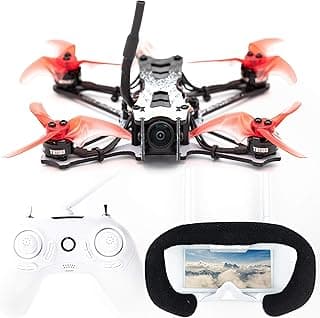
For an adult who has space to fly, a "Toothpick" style drone or a 3-inch cinewhoop is ideal. These provide enough power to fight mild winds while remaining small enough to be "sub-250g," which often exempts them from the most restrictive bureaucratic regulations in many regions. This balance of power and compliance is essential for a stress-free gifting experience.
Frequently Asked Questions: Bottom Line Up Front
Is an FPV drone harder to fly than a standard photography drone?
Yes. FPV drones do not have auto-leveling or altitude-hold in their native "Acro" mode; the pilot must manually manage every degree of pitch, roll, and yaw, which requires significantly more muscle memory and spatial awareness.
Can you fly an FPV drone with a phone instead of goggles?
No. While some toy-grade drones offer phone-based FPV, the latency (lag) is too high for actual manual flight. A dedicated analog or digital goggle set is mandatory for the low-latency feedback required to navigate obstacles effectively.
What is the most important component to spend money on first?
The Radio Transmitter. While the drone will eventually crash or be upgraded, a high-quality radio with an internal ELRS module will stay with the pilot for years. It is the primary interface between the human and the machine, and ergonomics here are paramount.
Do I need a license to fly a starter FPV drone?
Generally, if the drone weighs less than 250 grams, the regulations are significantly more relaxed, though most regions still require basic registration and adherence to line-of-sight flying rules. Always check local aviation authority guidelines as they vary by country.
In conclusion, the journey to finding the best starter fpv drone is an exercise in discerning true mechanical value from superficial marketing. By focusing on repairability, radio protocol standards, and the recipient's specific environment, you can provide a gift that offers not just a new gadget, but a completely new way to see the world. It is an investment in skill, physics, and the pure joy of flight.