
The Physics of Stealth and Stability in Surveillance
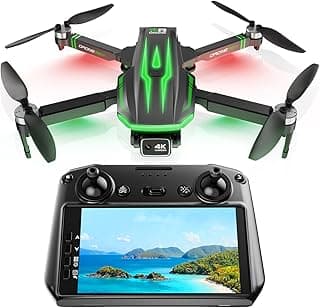
From an engineering standpoint, the effectiveness of a surveillance drone is dictated by its motor efficiency and the decibel output of its propulsion system. The best surveillance drones utilize high-torque brushless motors and aerodynamic propeller designs that shift sound frequencies into ranges less noticeable to the human ear. This is not about "invisible" flight, which is a common marketing myth, but about minimizing the acoustic footprint to avoid disturbing neighbors while performing perimeter checks. For those exploring how to come up with good gift ideas for tech-savvy individuals, understanding this distinction between a loud racing drone and a quiet monitoring platform is essential.
Optical performance is the second pillar of a true surveillance platform. While many drones claim high resolution, surveillance necessitates a balance between sensor size and the quality of the lens glass. A 1/2-inch or 1-inch CMOS sensor is the minimum standard for low-light monitoring, as smaller sensors produce "noise" that obscures critical details like license plates or facial features in twilight. Furthermore, look for "mechanical" rather than purely "digital" stabilization. A three-axis gimbal is a mechanical requirement to ensure the video remains usable during high-wind conditions or sudden maneuvers.
Gifting tech is about more than specifications; it is about upgrading the recipient's window to the digital world, ensuring every frame is a testament to quality.
Evaluating User Empathy: Physical Constraints and Use Cases
Gifting a drone involves assessing the recipient’s physical environment and technical literacy. A one-size-fits-all approach fails because a drone that thrives on a 50-acre ranch in Texas would be a liability in a dense Chicago suburb. We categorize these needs based on the "operational theater" of the user:
| User Persona | Critical Feature Requirement | Mechanical Priority |
|---|---|---|
| Large Property Owner | Long-range OcuSync/Signal Integrity | Battery Capacity (High mAh) |
| Urban Homeowner | Omnidirectional Obstacle Avoidance | Small Form Factor (Sub-250g) |
| Senior Tech Users | Automated Return-to-Home (RTH) | Simplified UI/Touchscreen Controller |
| Tech Enthusiasts | Third-party App Compatibility | Modular Gimbal/Payload Systems |
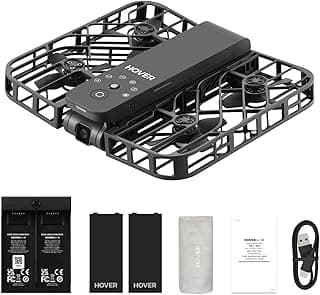
For the urban user, weight is a legal and practical constraint. Drones under 240 grams often bypass certain registration requirements, making them a more convenient gift. However, these smaller frames are more susceptible to wind drift. Conversely, the "best surveillance drones" for large estates require massive battery arrays and dual-frequency transmission to penetrate thick foliage or concrete structures. If you are looking for best gift ideas for teens who are interested in robotics, a smaller, safer frame with high-end obstacle sensors is the logical entry point into surveillance tech.
The BIFL (Buy It For Life) Philosophy in Drone Hardware
The drone industry is notorious for "planned obsolescence," but a savvy gift-giver can choose a path toward durability. The primary failure point in any drone is the battery. Lithium-Polymer (LiPo) cells degrade chemically every time they are charged. To ensure your gift lasts, prioritize models with "smart batteries" that automatically discharge to a storage voltage when not in use. This hardware-level protection prevents the swelling and capacity loss common in cheaper units.
Furthermore, consider the "Repairability Index" of the aircraft. Drones with integrated, non-removable arms are essentially disposable after a single impact. The best surveillance drones feature modular components, such as replaceable landing gear and propeller shrouds. Before purchasing, verify the availability of third-party replacement parts on independent marketplaces. A best prosumer drone that allows for manual calibration and component replacement is far superior to a "sealed" consumer model that requires expensive manufacturer-authorized service for every minor fault.
Data Security: The Often-Overlooked Gifting Criterion
When gifting a device meant for surveillance, data privacy becomes a moral and technical obligation. Many budget drones transmit unencrypted video signals over open 2.4GHz Wi-Fi, which can be easily intercepted. Professional-grade surveillance drones use proprietary, encrypted transmission protocols (like O3+ or Lightbridge). This ensures that the aerial view of the recipient’s home remains private. If the recipient is what is someone that loves technology and security, they will likely appreciate a drone that offers an "Offline Mode" or "Local Data Mode," which prevents flight logs and video cache from being uploaded to manufacturer servers.
Additionally, the "Return-to-Home" (RTH) logic is a critical safety feature. Mechanical engineers design these systems to trigger not just on a button press, but also during signal loss or low battery thresholds. The precision of the landing—often aided by downward-facing vision sensors—is what separates the best aerial drone options from basic toys. A drone that can land within 10 centimeters of its takeoff point is a feat of engineering that prevents damage and ensures longevity.
Comparing Hardware Specifications for Monitoring
To help you distinguish between high-performing units, we must look at the variables that actually impact surveillance efficacy. A best 4k drone is only useful if it can maintain that resolution at a distance of several kilometers.
| Feature | Standard Performance | Expert/Surveillance Grade |
|---|---|---|
| Flight Time | 15–20 Minutes | 31–45 Minutes |
| Obstacle Sensing | Forward Only | 6-Directional Binocular Vision |
| Optical Zoom | Digital Only (Lossy) | 3x - 7x Optical (Lossless) |
| Max Transmission | 2km (Unstable) | 12km+ (High Bitrate) |
For a truly useful gift, a best autonomous drone with waypoint programming is invaluable. This allows the user to set a pre-defined path—say, circling the perimeter of a warehouse or garden—and the drone will execute the flight and return without manual input. This automation reduces the "pilot stress" and makes the technology accessible to those who may not have the reflexes of a professional pilot.
Frequently Asked Questions
Is it legal to use a surveillance drone over my own property?
Yes, in most jurisdictions, you have the right to monitor your own land, but you must strictly adhere to local altitude limits and "Right to Privacy" laws regarding neighboring properties. Always check for No-Fly Zones (NFZs) near airports, as the drone’s internal GPS will physically prevent it from taking off in these areas.
Do I need a special license to give a drone as a gift?
No, there is no license required to purchase or gift a drone. However, the recipient may need to register the aircraft with national aviation authorities and potentially pass a basic safety test (like the TRUST test in the US) if the drone exceeds a specific weight threshold, typically 250 grams.
How long do drone batteries actually last before needing replacement?
Assuming proper storage at 50% charge, a high-quality drone battery typically lasts for 200 to 300 charge cycles before the internal resistance increases significantly, causing shorter flight times. If used once a week, the battery system should remain viable for approximately four to five years.
Can these drones be used at night for security?
Only drones equipped with thermal imaging or specialized high-ISO low-light sensors are effective for night surveillance. Standard consumer drones require external lighting (like a mounted strobe) to maintain legal visibility and to capture usable footage in total darkness.
In conclusion, when you gift one of the best kayaks or a premium watch, the value is in the physical object. When you gift one of the best surveillance drones, the value is in the peace of mind and the technical capability it affords. By focusing on brushless motor longevity, encrypted signals, and modular repairability, you ensure your gift is a lasting investment rather than a fleeting electronic novelty.