

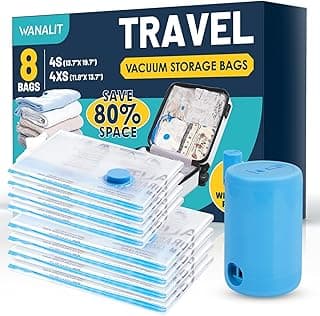
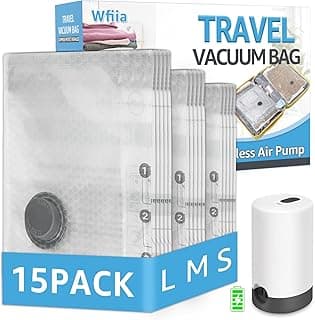
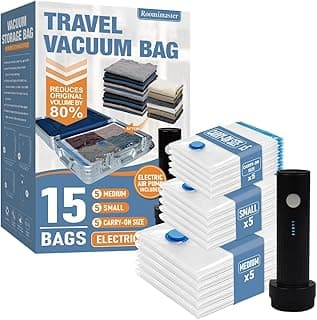
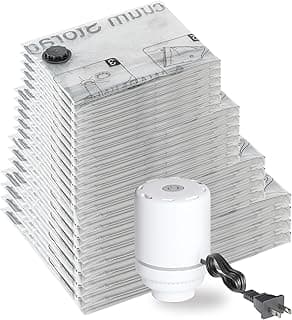
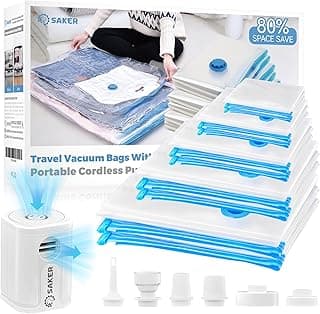
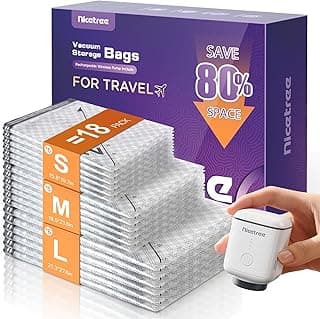

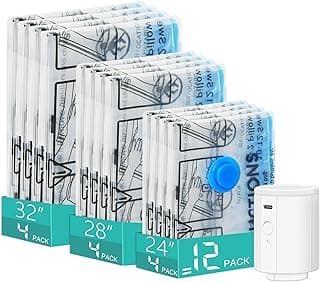
The Airline Economics Driving This Technology
Baggage fees generate billions annually for airlines—predictable profit centers independent of fuel costs or ticket pricing. First bag costs $30-35, second bag $45-50, oversized bags $100-200. These aren't arbitrary penalties—they're revenue strategies banks counting on travelers accepting fees rather than packing smarter or traveling lighter. Meanwhile, carry-on dimensions haven't expanded despite average American body sizes increasing steadily, creating tighter constraints around same biological packing needs.
This economic reality means vacuum bags potentially paying for themselves on single trip through avoided fees. Family of four traveling domestically often faces $240-400 in roundtrip baggage fees. Quality vacuum bag sets cost $30-60—achieving return-on-investment during maiden voyage while serving dozens of subsequent trips. This concrete financial benefit makes travel vacuum bags among rare organizational products delivering measurable monetary value beyond just convenience or aesthetics.
However, savings require bags actually working under travel conditions. Vacuum bags failing mid-trip—losing compression from altitude pressure changes, developing leaks during luggage handling, or proving impossible reusing for return journey—transform savings promise into frustration costing more than fees avoided. The best vacuum seal bags for travel survive not just initial packing but entire travel cycle including return journey repacking in hotel rooms without perfect conditions or all original equipment accessibility.
For gift-givers watching friends pay annual baggage fee totals exceeding vacation accommodation costs, quality travel vacuum bags represent practical solutions to recurring expensive problems. When considering thoughtful gifts for women or practical presents for men who travel frequently, tools reducing travel friction and expense demonstrate perceptive understanding beyond generic gifting.
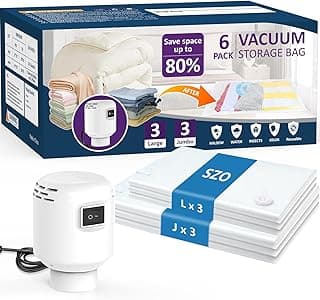
Why Electric Pump Matters Beyond Convenience
Manual vacuum bags requiring hand pumps create several failure points: pumps getting lost between trips, users lacking strength completing compression adequately, time pressure before departure preventing thorough vacuuming, or simple avoidance because manual pumping feels like work. These friction points lead to bags stored unused despite good intentions—purchased enthusiastically then abandoned when actual use proves more burdensome than anticipated.
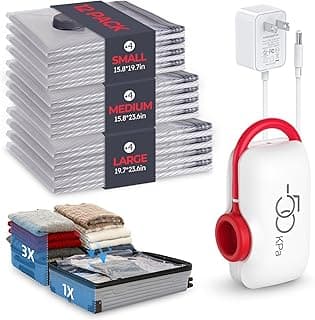
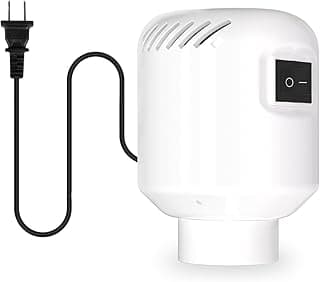
Electric pumps eliminate this friction entirely—plug in, activate, done within 60 seconds per bag. The automation removes decision fatigue about whether using bags justifies effort, making compression feel effortless rather than like additional travel preparation task. This psychological difference determines whether bags become travel essentials recipients use consistently versus equipment that seemed good idea at purchase but proves too much hassle when packing at 11pm before 6am flight.
Consistent compression matters for maximizing space savings. Manual pumping rarely achieves full compression—users tire before complete air removal, creating partially-compressed bags delivering 40-50% space reduction instead of advertised 75-80%. Electric pumps maintain vacuum until genuinely complete, delivering full compression benefit and maximizing the space savings justifying bags' entire purpose. This performance consistency transforms theoretical space savings into realized luggage capacity increases.
However, electric pumps introduce dependencies: needing electrical outlets (challenging in hotels internationally), carrying additional equipment (the pump itself requires packing), and potential pump failure stranding travelers unable to repack. The best travel vacuum bags with electric pump include valve compatibility with standard vacuum cleaners as backup—enabling compressed packing even when electric pump proves unavailable through using household vacuum at destination for return journey compression.
Who Actually Benefits From Travel Vacuum Bags
Frequent business travelers managing work wardrobe: Professionals traveling weekly for work carrying suits, dress shirts, multiple outfit options. Vacuum compression enables carry-on-only travel for week-long trips that would typically require checked bags—saving both baggage fees and luggage claim time enabling faster airport transit. For colleagues building consulting careers or managing client relationships requiring constant travel, tools streamlining their routine demonstrate understanding of their lifestyle realities.
Families traveling with young children: Parents packing for multiple people carrying clothes for varying weather, backup outfits for inevitable spills, comfort items kids demand, plus adult clothing. Vacuum bags transform "we need three suitcases" into manageable quantity fitting vehicle trunk or checking single bag instead of multiple. For friends managing family travel chaos, practical tools enabling actual trip completion rather than just making it slightly easier prove genuinely valuable.
Extended travelers and digital nomads: Those spending months abroad needing diverse wardrobe for varying climates and situations without access to home closets for seasonal changes. Vacuum bags enable carrying winter and summer clothes simultaneously, compressing off-season items until needed. For adventurous friends embracing location-independent lifestyles, gear supporting their choices demonstrates respect for their unconventional paths.
Military families managing PCS moves: Service members and families relocating frequently needing to ship belongings efficiently within weight allowances. Vacuum compression reduces shipping costs while protecting clothes from moisture and pests during transit and storage. For military families you know, practical moving support acknowledging their unique challenges shows understanding beyond generic "thank you for service" platitudes.
The Material Quality That Determines Longevity
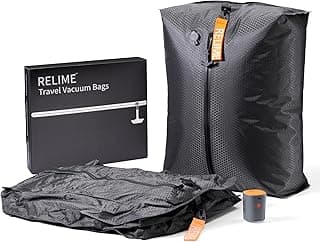
Thickness measurements indicate durability—bags under 80 microns typically fail on first or second use through punctures from zippers, sharp corners, or normal handling stress. Quality travel bags measure 100-120 microns minimum, surviving multiple compression cycles and travel conditions without developing leaks that gradually allow air return negating compression benefits.
Multi-layer construction combining nylon exterior with polyethylene interior provides puncture resistance and flexibility simultaneously. Single-material bags optimizing only cost or only one characteristic compromise—either puncturing easily or lacking flexibility creating cracking at fold points. The engineering investment separating one-trip disposables from multi-year reusable travel companions justifies price differences that seem excessive comparing specifications but prove minimal calculating per-trip costs.
Seam construction quality reveals manufacturing care—heat-sealed seams bonded throughout versus spot-welded seams failing at stress points separating under compression pressure. Quality seams withstand the internal tension compressed contents create against bag structure, maintaining integrity through dozens of compression-expansion cycles rather than failing after initial impressive demonstration.
The best vacuum storage bags for travel specifically engineer for reusability—recognizing users need bags surviving not just outbound packing but return journey repacking plus future trips. Disposable vacuum bags sold for home storage prove inadequate for travel's repeated compression cycles and handling stress, failing prematurely when repurposed for applications beyond their intended single-use storage design parameters.
Valve Design: The Critical Failure Point
Valve quality determines whether compression survives travel or gradually returns making bags pointless. Cheap valves allow slow air infiltration through imperfect sealing—bags packed tightly at home arrive at destination noticeably expanded. Quality one-way valves prevent this backflow, maintaining compression throughout travel duration regardless of altitude changes, pressure variations, or handling stress.
Universal valve compatibility accepting both proprietary pumps and standard vacuum cleaner hoses provides flexibility for return trip compression. Travel-specific bags should accommodate hotel room vacuum cleaners or household vacuums at destinations, enabling recompression without relying exclusively on electric pump that might fail, get lost, or prove incompatible with international electrical standards.
Size Selection Strategy for Travel Applications
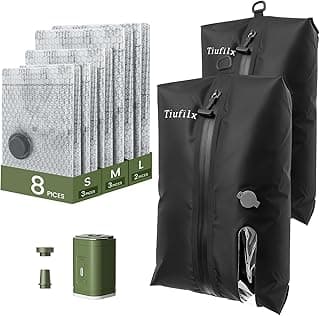
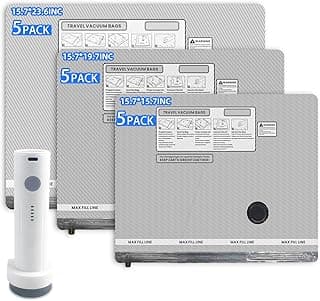
Small bags (16x20 inches) suit underwear, socks, accessories—items compressing well without wrinkle concerns. These fit within carry-on dimensions while creating significant space savings through eliminating air from items that would otherwise occupy disproportionate volume relative to actual material quantity.
Medium bags (20x28 inches) handle most clothing compression needs—shirts, pants, casual wear. This size balances compression effectiveness with bag manageability—large enough achieving meaningful space savings but not so large that bags become unwieldy when fully compressed creating luggage packing challenges despite reducing volume.
Large bags (24x32 inches) suit bulky items like jackets, sweaters, bedding if traveling with children needing familiar sleep items. However, large compressed bags become heavy—even though volume reduces, weight remains constant. For travelers near airline weight limits, compressing into large heavy bags trades volume problem for weight problem without necessarily solving overall luggage constraint challenge.
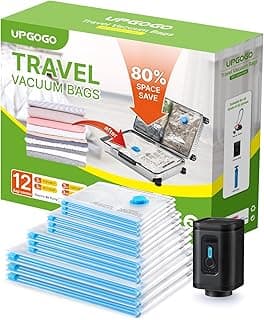
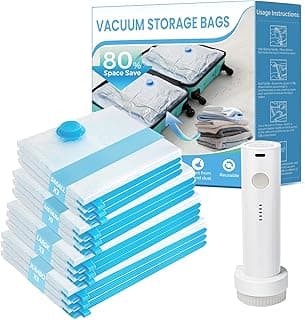
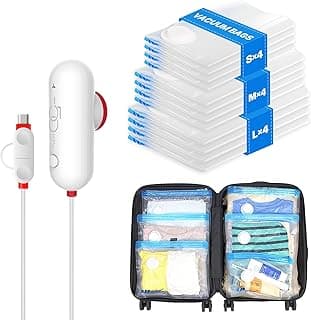
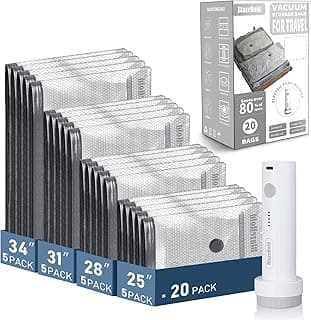
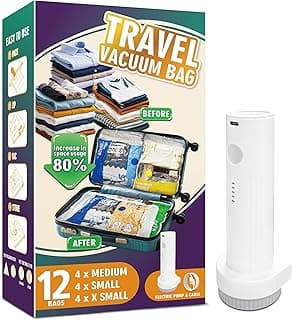
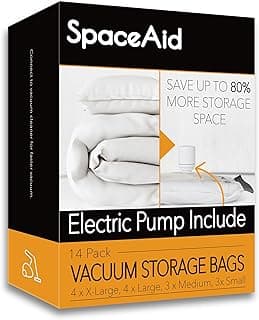
Mixed-size variety packs provide flexibility without requiring predicting specific needs pre-purchase. The best vacuum bags for travel assortments include size distribution matching typical packing patterns—several medium bags for primary clothing, some small bags for accessories, maybe one large bag for bulky items. This variety accommodates diverse packing scenarios across different trip types without forcing everything into wrong-sized bags.
TSA and Airline Compatibility Considerations
Vacuum bags don't violate TSA regulations but do create screening challenges—compressed clothes appear as dense masses on X-ray screens potentially triggering additional inspection. Transparent or semi-transparent bags enable inspectors seeing contents without opening bags, reducing repack-after-inspection frustration. For frequent travelers valuing expedited security, this consideration affects selection despite not determining whether bags technically comply with regulations.
Checked luggage compression faces no restrictions, but carry-on compression creates dimensional challenges. Overstuffed bags might exceed carry-on size limits despite compression—airlines measure external dimensions, not volume efficiency. Users must consider whether compressed contents truly fit regulated dimensions rather than just achieving impressive compression that still violates size regulations when evaluated properly.
International travel introduces voltage compatibility challenges for electric pumps—110V US pumps don't work on 220V European outlets without converters. Universal voltage pumps (110-240V) or dual-voltage models accommodate international travel without requiring voltage converters. For gift recipients traveling internationally regularly, this electrical compatibility determines whether bags prove practical or frustrating depending on destination electrical standards.
The Altitude Pressure Reality
Aircraft cargo hold pressure changes don't typically cause vacuum bag failures—commercial aircraft maintain reasonable pressurization preventing dramatic expansion. However, driving through mountain passes or flying in unpressurized small aircraft can stress seals allowing partial air return. Quality bags withstand these pressure variations, but budget alternatives potentially leak under stress releasing compression gains during transit.
Users should expect slight expansion after flights—some air infiltration proves normal even with quality bags. This doesn't indicate failure requiring replacement, just physics of pressure differentials affecting sealed flexible containers. Setting realistic expectations prevents concluding bags failed when they performed exactly as designed given physical constraints of pressure variation during travel.
Repacking for return journeys requires accepting bags might not compress identically to original packing—wrinkled clothes occupy slightly more volume, humidity exposure changes fabric behavior, and hotel room repacking lacks the calm preparation time home packing allowed. This practical reality means building slight margin into original packing rather than compressing to absolute capacity leaving no room for realistic return packing challenges.
When Manual Pumps Actually Serve Better
Short trips with minimal compression needs don't justify electric pump bulk—weekend getaway compressing one or two bags proves manageable with hand pump. The size and weight savings from not packing electric equipment outweigh compression efficiency benefits when overall packing volume remains modest. For recipients taking primarily short trips, simpler manual pump systems serve adequately without electric complexity.
Ultralight backpackers prioritizing weight above all else often choose manual pumps despite slower compression. Electric pumps weighing 8-12 ounces plus cords matter when every ounce counts in backpack weight calculations. These travelers accept manual pumping effort gladly eliminating equipment weight that electric pump systems require carrying. For adventure travelers you know, understanding their specific priority hierarchies informs whether electric convenience trumps weight concerns.
Budget constraints making quality electric pump systems unaffordable sometimes mean choosing quality manual bags over inferior electric systems. A $50 investment in excellent manual vacuum bags outperforms $50 spent on poor-quality electric system where cheap pump fails and bags tear after single use. Sometimes specialization beats integration when budget limits prevent accessing quality across all features simultaneously.
The best travel gear isn't always the most advanced—it's whatever actually gets used consistently rather than staying home because it feels like too much hassle.
Common Failure Modes and Prevention
Overfilling bags beyond manufacturer guidelines stresses seams causing premature failure. Users should compress to 70-80% capacity rather than completely stuffing bags before vacuuming, allowing material flex without exceeding structural limits. This restraint extends bag lifespan dramatically despite reducing maximum theoretical compression per bag.
Sharp objects like belt buckles, zipper pulls, or metal clasps puncture bags from inside during compression. Wrapping potentially-sharp items in soft clothing or using dedicated small bags for accessories prevents this internal damage that users often don't notice until attempting reuse revealing mysterious holes that developed during previous compression.
Storing bags compressed long-term rather than releasing compression between trips stresses materials unnecessarily. Vacuum bags designed for temporary compression during travel, not permanent compression during home storage. Releasing compression between trips allows materials recovering, extending usable lifespan significantly compared to never-decompressed storage destroying material flexibility through sustained stress.
For gift recipients, including care instructions alongside bags prevents these common failure modes destroying equipment through misuse. Simple guidance—don't overstuff, wrap sharp items, decompress between trips—enables recipients maximizing bag longevity without requiring extensive research about proper vacuum bag care protocols they wouldn't know exist without explicit instruction.
The Recompression at Destination Challenge
Hotels often lack easily-accessible vacuum cleaners—housekeeping staff controls equipment, front desk proves reluctant lending vacuums to guests, or vacuum quality proves inadequate for proper compression. Travelers assuming destination recompression capability should verify rather than discovering at checkout that return packing requires different approach than outbound preparation allowed.
Bringing electric pump for return journey adds weight to outbound luggage—essentially paying space/weight cost on outbound trip for capability needed only during return. This calculation makes sense for longer trips where bringing pump proves worthwhile, but for short trips the pump weight might negate compression benefits when considering round-trip efficiency.
Budget Reality Across Quality Tiers
Basic travel vacuum bags with manual pump cost $15-25 for multi-bag sets—adequate for occasional travelers taking 1-2 trips yearly. These survive several uses before requiring replacement, delivering acceptable value for low-frequency use without investing in premium durability serving intensive travel schedules.
Mid-range electric pump systems ($30-50) represent practical choice for regular travelers taking 4-6 trips annually—adequate bag quality surviving multiple trips, reliable electric pumps, reasonable construction withstanding normal travel stress. The best vacuum travel bags in this range balance performance with accessibility, serving most travel scenarios without premium pricing creating gift-giving awkwardness or recipient discomfort.
Premium vacuum bag systems ($60-100+) targeting frequent travelers and families add superior materials, better valve engineering, more comprehensive size assortments, and commercial-grade pumps surviving years of intensive use. For recipients traveling monthly or managing family vacation logistics, this investment delivers per-trip value justifying initial premium through sustained performance and avoided replacement costs.
Environmental Considerations in Disposable Travel Culture
Reusable vacuum bags represent more sustainable choice than disposable packing solutions—single set serving dozens or hundreds of trips versus disposable garment bags, compression cubes, or other single-use packing aids generating waste with every journey. This sustainability angle resonates with environmentally-conscious travelers seeking reducing their travel footprint beyond just carbon offset purchases.
However, plastic vacuum bags eventually wear out requiring disposal—they're semi-permanent rather than truly permanent solutions. Quality bags lasting 50+ compressions prove more sustainable than cheap bags failing after 3-4 uses despite initially seeming like same environmental choice. The environmental calculation favors durability over initial price, making quality investment genuinely "greener" through extended useful life preventing premature replacement waste.
Some manufacturers offer recycling programs for worn-out bags—take-back initiatives keeping plastic out of landfills while enabling responsible disposal. For environmentally-minded recipients, choosing brands with established recycling programs demonstrates values alignment beyond just functional capability. This consideration transforms practical purchase into values-consistent choice supporting their sustainability commitments.
When to Gift: Supporting Travel Life Transitions
Before major international trip: Someone planning significant travel—sabbatical, extended vacation, relocation abroad—deserves equipment enabling packing efficiency before departure stress peaks. Timing gift to trip announcement shows support for their adventure while providing practical assistance managing the logistics making trips actually happen versus remaining aspirational.
After expressing frustration with baggage fees: When friends mention or you observe them paying excessive airline charges for checked luggage. Recognition of this recurring expense pain point shows you've listened to their complaints rather than just nodding sympathetically. Vacuum bags directly address their articulated frustration with concrete solution rather than just offering commiseration.
Career transitions requiring travel: Someone starting consulting career, accepting position requiring frequent travel, or launching business demanding client visits. Practical tools enabling their new professional reality demonstrate support for career development beyond just congratulatory words. This timing makes practical gift feel like career investment rather than random household item. Consider how other milestone gifts balance practical utility with symbolic life transition acknowledgment.
Moving or relocation assistance: Beyond just travel, vacuum bags serve moving applications—compressing off-season clothes for shipping, reducing box quantities needed, protecting garments from moisture during transit. For friends managing moves, especially military families or career relocators, vacuum bags provide immediate practical value during stressful transition period requiring all available assistance.
Complementary Gift Pairing
Luggage scales alongside vacuum bags enable avoiding overweight fees despite maximum packing—knowing precise weight allows filling to airline limits without guessing and risking expensive surprises at check-in. This pairing creates comprehensive baggage management system rather than just addressing single volume concern potentially trading for weight problems.
Packing cubes plus vacuum bags provide layered organization—cubes organizing categories, vacuum compressing bulky items. This combination serves different needs within single travel preparation workflow, demonstrating thorough consideration of complete packing challenges rather than single-tool solutions.
Reading Reviews for Travel-Specific Insights
Filter reviews from actual travelers versus home storage users—travel subjects bags to stresses home storage never encounters. "Worked great for storing winter clothes" proves less relevant than "survived three international trips" when evaluating travel durability. Travel-specific reviews reveal whether bags withstand their advertised application versus just performing adequately in gentler scenarios.
Long-term reviews (1+ year, 10+ trips) discussing sustained performance reveal whether bags remain functional or degrade into unusability after initial honeymoon period. Initial enthusiasm often fades when limitations or durability issues emerge through repeated use. Reviews mentioning "still using after dozens of trips" validate longevity claims manufacturer marketing can't substantiate through short-term testing alone.
International traveler reviews mentioning electrical compatibility, customs experiences, and repacking capabilities provide insights beyond domestic usage patterns. These specific scenarios reveal whether bags truly serve global travel or just work adequately for controlled domestic trips where destination infrastructure matches home capabilities and expectations.
Alternative Approaches When Vacuum Bags Don't Fit
Compression packing cubes using zipper compression rather than vacuum removal serve similar purpose without requiring pumps or electrical access. These prove reliable for business travelers needing professional appearance where wrinkled vacuum-compressed clothes create problems. The compression proves less dramatic but reliability and convenience sometimes outweigh maximum space savings when appearance standards matter. For related packing solutions, explore comprehensive clothing storage options serving different scenarios.
Shipping services forwarding luggage to destinations enable traveling with minimal carry-on while accessing full wardrobe at arrival. This approach trades baggage fee savings for shipping costs but eliminates luggage handling stress entirely. For luxury travelers or those managing mobility challenges, this investment proves worthwhile despite negating vacuum bag value proposition through entirely different travel approach.
Capsule wardrobe approaches reducing items packed eliminate compression need through simply carrying less. This philosophy shift rather than equipment solution serves minimalist travelers embracing limited wardrobe as feature rather than constraint. For recipients expressing interest in minimal travel lifestyles, vacuum bags enabling maximum packing contradicts their expressed values despite seeming helpful from external perspective.
The Honest Limitation Discussion
Vacuum compression wrinkles clothes—physics of compression fold garments creating creases requiring ironing or steaming at destination. Business travelers needing professional appearance immediately upon arrival must plan steaming time or pack wrinkle-resistant fabrics specifically. The space savings comes at cost of immediate wearability for appearance-critical items.
Not all fabrics tolerate vacuum compression well—delicate materials, structured garments, leather, or specialty textiles potentially damage from sustained compression. Users should limit vacuum compression to casual clothing tolerating wrinkles and compression stress without permanent damage. This limitation means vacuum bags solve some packing challenges while others require traditional careful folding or hanging garment bags.
Weight savings don't accompany volume reduction—compressed luggage weighs identically to uncompressed despite appearing smaller. Travelers near weight limits might hit those limits despite achieving impressive visual compression. This reality requires managing both volume and weight constraints simultaneously rather than assuming compression solving all luggage limitation issues universally.
Perfect travel packing doesn't exist—it's constant optimization finding personal balance between preparation thoroughness and adventure spontaneity without over-engineering decisions that should stay simple.
Complete Travel System Integration
Vacuum bags represent one component within broader travel preparation system—not standalone solution requiring nothing else. Luggage quality, packing cube organization, toiletry management, document organization—all contribute to trip success beyond just clothing compression. Acknowledging bags serve specific role within larger system demonstrates realistic expectations about their contribution rather than overpromising comprehensive travel problem elimination.
For gift contexts where you know recipient's complete travel challenges, sometimes comprehensive systems make more sense than individual components. Vacuum bags plus packing cubes plus luggage scale plus travel-sized toiletries creates thoughtful travel preparation kit serving multiple needs simultaneously. This comprehensive approach particularly suits major trips, career transitions, or life stage changes where significant travel lies ahead justifying investment in complete capability rather than piecemeal equipment accumulation.
The Freedom Enablement Narrative
Travel vacuum bags don't create wanderlust—but they remove barriers preventing travel impulses becoming actual journeys. The "I can't afford baggage fees" or "I can't fit everything I need" obstacles preventing trips become surmountable, shifting calculation from "whether" to "when" for adventures repeatedly postponed for practical rather than fundamental reasons.
For gift-givers supporting someone's travel aspirations, practical tools enabling rather than just celebrating those dreams demonstrate investment in their actual success rather than just applauding ambitions. The vacuum bags say: I want you to actually go on that trip, not just talk about it. I'm removing obstacles preventing what you claim wanting. I'm betting on your follow-through by providing tools making it happen.
This enablement angle proves particularly meaningful for friends whose travel dreams face practical constraints rather than just lacking motivation. Young professionals managing student loans who'd travel more if cheaper, parents who'd take kids on adventures if logistics simplified, or retirees who'd explore more if packing proved less overwhelming—these scenarios benefit from obstacle removal more than inspirational travel quotes or coffee table books about destinations they're not visiting.
Long-Term Value: What Actually Lasts
Quality travel vacuum bags deliver value across potentially hundreds of trips—far exceeding most travel gear in usage frequency and longevity. Luggage wears out, clothing styles change, travel preferences evolve, but compression bags serving fundamental physics-based purpose remain relevant indefinitely. This longevity makes even premium vacuum bag investments remarkably cost-effective when calculating per-use value across their service lifetime.
However, this value requires recipients actually traveling—bags prove worthless sitting in closets between aspirational trips never taken. For gift selection, honest assessment of recipient's actual travel frequency versus stated intentions informs whether vacuum bags represent practical tools serving real behavior or optimistic purchases for theoretical futures never materializing. Supporting actual patterns proves more valuable than enabling stated-but-undemonstrated aspirations.
The best travel gifts address friction points preventing trips happening versus adding luxury to trips already occurring easily. Vacuum bags remove baggage-related obstacles—fees, space constraints, packing stress—that genuinely prevent some trips while just annoying others. Understanding which situation applies to specific recipient determines whether bags transform their travel capability or just marginally improve already-functional status quo.
Success Metrics: What Actually Matters
Success isn't recipient gratitude during gift presentation—it's seeing luggage dramatically smaller at next travel opportunity, hearing they avoided baggage fees, or learning trip became possible because packing proved manageable rather than overwhelming. These delayed outcome validations prove gift served actual utility rather than just generating momentary appreciation.
For relationships allowing follow-up conversations months later: "How did the vacuum bags work for your trip?" transforms generic gift into ongoing tool for connection. The equipment becomes conversation foundation enabling continued engagement around recipient's experiences rather than one-time gesture ending at presentation. This sustained relevance particularly suits practical gifts where usage stories provide richer connection opportunities than consumable items generating singular thank-you interactions.
Gifts are for making an impression, not just for the sake of it.
GiftsPick - Meticulous, Kind, Objective.