



The Engineering of Stability: Material Science in the Backcountry
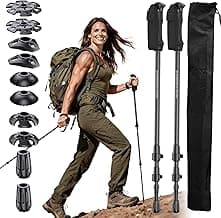
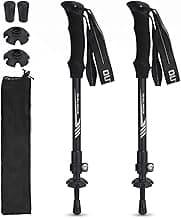
From a technical perspective, the search for the best trekking poles for hunting begins with a trade-off between tensile strength and weight. The two primary materials used—Carbon Fiber and Aluminum 7075—behave very differently under the chaotic stresses of a mountain hunt. Carbon fiber is prized for its high strength-to-weight ratio and its ability to dampen vibrations, which prevents hand fatigue during long marches. However, carbon is inherently brittle. A sharp lateral impact against a granite rock can cause a catastrophic splintering failure. In contrast, Aluminum 7075 is far more forgiving; it may bend under extreme pressure, but it rarely snaps, making it the superior choice for hunters who prioritize reliability in remote wilderness where equipment failure can lead to injury.
Gifting tech is about more than specifications; it is about upgrading the recipient's window to the digital world, ensuring every frame is a testament to quality.
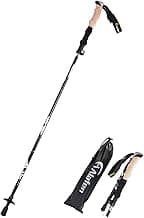
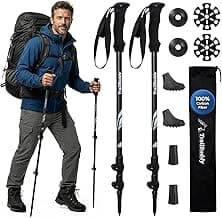
When considering these as best gift ideas for him, look closely at the locking mechanisms. Friction-based twist locks are notorious for slipping when temperatures drop or when moisture enters the shaft. Professional-grade poles utilize external lever locks (flick locks) made of aluminum rather than plastic. These allow the user to adjust the pole length with gloves on and provide a visible, mechanical assurance that the pole will not collapse under a heavy load. This level of reliability is as critical as choosing the best bow for whitetail hunting when it comes to the success of a multi-day expedition.
Multi-dimensional User Empathy: Beyond the Standard User
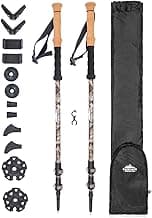
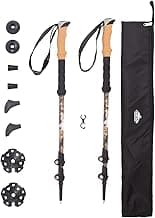
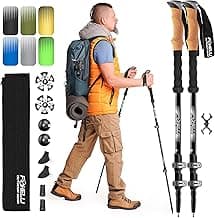
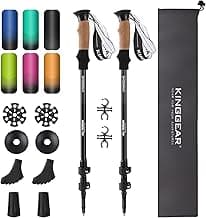
A gift should solve a specific problem. For the high-density backcountry hunter, the primary issues are joint preservation and balance while glassing with the best binos for hunting. If the recipient is an older hunter or someone recovering from knee surgery, the weight distribution of the pole's handle becomes paramount. An ergonomic cork grip is superior to rubber or foam because it wicks away moisture and eventually molds to the unique shape of the user's hand, reducing the risk of blisters over miles of rugged terrain.
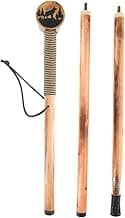
Conversely, for the minimalists or those hunting out of a best backpack hunting tent, packability is the deciding factor. Z-fold poles, which collapse into three short sections connected by an internal tension cord, are ideal for hunters who only use poles during the pack-out phase. These can be stowed inside a backpack rather than strapped to the outside, preventing them from snagging on thick brush or "alder choking" during a stalk.
Technical Comparison: Carbon Fiber vs. Aluminum 7075
To help you understand how to come up with good gift ideas in the outdoor space, the following table compares the two primary pole architectures found in the premium market.
| Technical Variable | Carbon Fiber Poles | 7075 Aluminum Poles |
|---|---|---|
| Average Weight per Pair | 12 oz - 15 oz | 17 oz - 21 oz |
| Failure Mode | Shattering/Snap (Brittle) | Bending (Ductile) |
| Vibration Dampening | Excellent (Reduces joint fatigue) | Moderate (Can feel "tinny") |
| Temperature Sensitivity | Remains neutral to touch | Conducts cold (Requires wrap) |
| Ideal Use Case | Fast/Light Scouting | Heavy Meat Hauling/Steep Terrain |
The Buy It For Life (BIFL) Philosophy & Hidden Costs
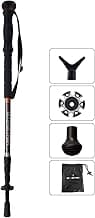
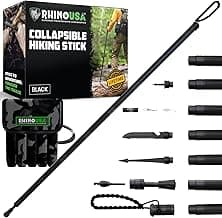
As a gifting strategist, I advise avoiding "entry-level" poles that utilize plastic components in the joints. These are examples of fast consumerism that will inevitably end up in a landfill after one season of hard use. The "hidden cost" of cheap trekking poles is not just the replacement price; it is the risk of a fall while carrying expensive optics or a loaded firearm. A truly modular system, where the carbide tips, mud baskets, and even individual shaft segments can be replaced independently, is the only investment that aligns with a sustainable gifting philosophy. When we ask ourselves what is the greatest gift to give, the answer is often gear that remains functional for a decade of memories.
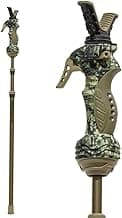
Furthermore, many modern hunters now use their trekking poles as a "shooting yoke" or a support for their lightweight shelter. If you are buying for a hunter who uses a trek-pole-supported tent, you must ensure the poles have a maximum extension of at least 135cm to 140cm. Without this specific height, their shelter system will be structurally compromised during a storm. This dual-purpose utility adds layers of value to the gift that far exceed the initial purchase price.
Direct Answer Framework: Frequently Asked Questions
Are trekking poles actually necessary for hunting?
Yes. Clinical studies in wilderness medicine show that trekking poles reduce the compressive force on the knees by up to 25% on downhill slopes. For a hunter carrying a heavy pack, this reduction prevents long-term cartilage degradation and significantly lowers the risk of acute ankle sprains in uneven terrain.
Should I choose cork or foam grips?
Cork is the superior choice for long-term durability. While foam is lighter and cheaper, it absorbs sweat and bacteria, leading to odors and eventual material breakdown. Cork naturally resists moisture and provides a more consistent grip in both freezing and sweltering conditions.
Why do some poles cost three times more than others?
The price discrepancy usually reflects the quality of the locking mechanism and the grade of the material. Premium poles use high-grade 7075 aluminum or high-modulus carbon fiber and feature metal flip-locks. Budget poles often use lower-grade 6061 aluminum and plastic twist-locks, which are prone to failure under the heavy axial loads common in hunting.
In conclusion, the best trekking poles for hunting are those that offer a transparent mechanical advantage without adding unnecessary complexity. By focusing on the material integrity, locking reliability, and ergonomic suitability, you aren't just giving a tool; you are giving the hunter more miles, more safety, and more years of active pursuit in the mountains.