

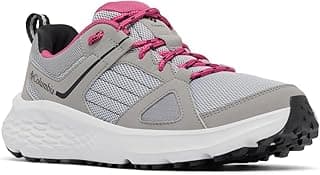
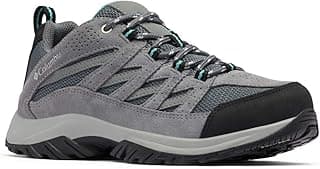

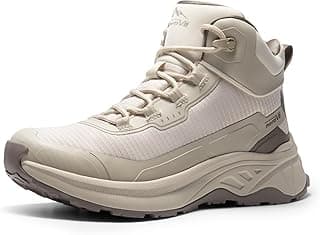
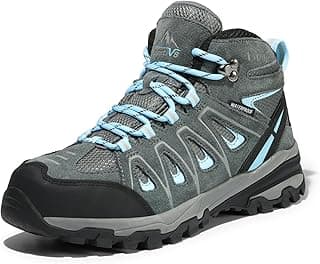
The Equipment Gap Women Face on Trails
Many women start hiking in running shoes because that's what they own. Running shoes work fine until trails get technical—then you realize they were never designed for lateral stability on uneven surfaces, protection from sharp rocks, or traction on loose dirt. That first twisted ankle or painful rock bruise usually triggers the search for proper hiking footwear. Better to gift appropriate shoes before these learning experiences become necessary.
Women's hiking needs differ from men's in ways many manufacturers ignore. Lighter body weight means different impact patterns. Narrower heels require specific heel cup designs. Lower centers of gravity change stability requirements. Quality trekking shoes account for these biomechanical differences instead of offering pink versions of men's designs scaled down. Proper fit isn't cosmetic—it's foundational to performance and injury prevention.
There's also a confidence factor. Feeling secure on challenging terrain allows you to focus on the experience rather than worrying about your footing. That mental freedom transforms hikes from anxious navigation to genuine exploration. Women describing the difference between inadequate and proper hiking shoes consistently mention this shift—from tentative to assured, from limited to capable.
Recognizing Who'll Use These Most
Women who've caught the hiking bug and want to progress beyond easy trails need shoes that match their growing ambitions. Once you've done a few casual hikes and realized you love it, the next step is tackling longer, more challenging routes. Proper trekking shoes remove equipment as a limiting factor, letting skill and endurance determine progress rather than footwear failure.
Travel enthusiasts planning destination hikes need footwear they can trust in unfamiliar terrain. Whether hiking in national parks, exploring mountain ranges, or trekking in foreign countries, reliable shoes become critical when you can't just turn around if something goes wrong. For friends planning hiking adventures, quality shoes demonstrate support for their ambitions rather than just acknowledging the idea.
Outdoor families who hike together regularly need everyone properly equipped. Mom can't supervise kids on challenging trails if she's struggling with inadequate footwear. Mother's Day gifts that prioritize her capability and comfort enable family adventures instead of just creating household obligations she has to manage.
Proper equipment doesn't just improve the experience—it determines whether ambitious goals remain dreams or become achievements.
Women transitioning from gym workouts to outdoor fitness appreciate gear that supports that shift. Trail hiking provides cardiovascular challenge, strength building, and mental benefits gyms can't replicate. But the transition requires appropriate equipment. Trekking shoes given during this change acknowledge and support evolving fitness priorities.
Strategic Timing for Trail Gear Gifts
Pre-hiking season gifts—late winter or early spring—arrive when people are planning warm-weather adventures. She has time to break in shoes properly before any major hikes, and the gift influences how she structures her outdoor plans for the coming months. This timing makes the equipment useful immediately rather than sitting stored for seasons.
Trip planning moments create perfect gifting opportunities. If she's mentioned wanting to hike specific trails, planning a hiking vacation, or talking about mountain destinations, trekking shoes support those stated intentions. The gift says: I'm not just listening to your plans—I'm helping you prepare for them properly.
Achievement recognition works beautifully with outdoor gear. If she's completed hiking goals, trained for endurance, or overcome physical challenges, quality trekking shoes acknowledge progress while enabling next-level pursuits. This forward-looking recognition validates past effort and invests in future accomplishments simultaneously.
Sometimes urgency matters most. If her current hiking shoes are failing—soles separating, inadequate traction causing slips, poor fit causing blisters—waiting for calendar occasions means more suffering. Immediate gifts that solve active problems demonstrate responsiveness that scheduled presents can't match.
Technical Features That Define Quality
Sole construction determines how shoes interact with challenging terrain. Hiking shoes need stiffer midsoles than running shoes to provide stable platforms on uneven surfaces. This stiffness prevents painful foot flex across sharp rocks while maintaining enough flexibility for natural walking motion on trails. Vibram outsoles or equivalent rubber compounds deliver traction that lasts through hundreds of miles without degrading performance.
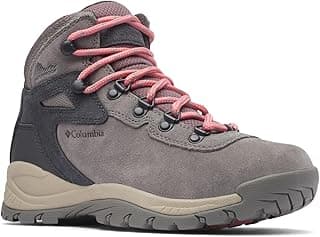
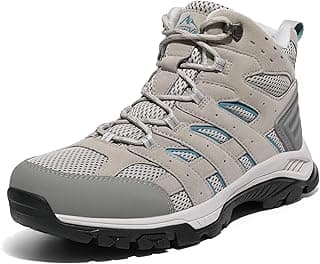
Ankle support levels vary based on intended use. Low-cut hiking shoes offer maximum mobility for well-maintained trails and day hikes. Mid-cut designs provide ankle protection for rockier terrain and carrying backpack weight. The additional support prevents rolls on unstable surfaces but adds weight and reduces range of motion. Match this to her actual hiking style—agile day hikes versus loaded multi-day treks require different approaches.
Waterproofing technology separates shoes that work in all conditions from fair-weather-only options. Gore-Tex and similar membranes keep water out while allowing sweat to escape. This matters enormously for morning dew, stream crossings, and unexpected rain. Wet feet blister easily, lose warmth quickly, and turn enjoyable hikes into miserable endurance tests. Waterproof capability isn't optional for serious trekking.
Breathability balances with waterproofing in eternal tension. Fully waterproof shoes trap heat and moisture on hot days. Highly breathable shoes let water in during wet conditions. The best hiking shoes manage both through strategic material placement—waterproof where needed, breathable where possible. Consider her typical hiking climate: humid regions need maximum breathability; wet climates demand waterproof priority.
Durability for Long-Term Trail Life
Quality hiking shoes should last 500+ miles of trail use. Cheaper options might fail at 200 miles or less—fine for occasional walkers but inadequate for women who hike regularly. Calculate expected usage: hiking twice weekly covers 400+ miles annually. Durable shoes lasting multiple seasons become better investments than cheaper pairs requiring frequent replacement.
Abrasion resistance in upper materials prevents premature wear from brush, rocks, and rough terrain contact. Full-grain leather offers maximum durability but requires break-in and maintenance. Synthetic materials sacrifice some longevity for lighter weight and faster break-in. Split-leather/synthetic combinations balance durability, weight, and comfort for most hiking situations.
Resoleable construction extends shoe life indefinitely. Not all hiking shoes can be resoled, but those with certain construction methods—like Goodyear welting—allow outsole replacement when worn. For women who hike extensively and find shoes that fit perfectly, resoling capability means never having to search for replacements. This long-term value justifies higher initial costs.
Reinforced wear points indicate attention to real-world durability. Toe caps protect against rock strikes. Reinforced heel counters resist abrasion from backpack straps and repeated ground contact. These features distinguish shoes designed by people who actually hike from those designed to look like hiking shoes.
Matching Shoes to Terrain Types
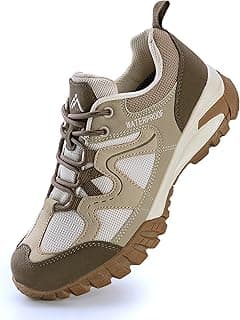
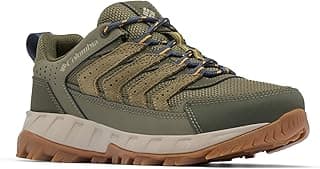
Well-maintained trail shoes work for groomed paths with moderate elevation changes. They're lighter and more comfortable than aggressive options while providing adequate traction and support for maintained surfaces. Women who primarily day-hike on popular trails benefit from this category's comfort without needing features they won't use.
Technical trail shoes handle rocky, rooty, and irregular terrain. Stiffer construction protects feet from sharp objects. Aggressive tread patterns grip loose surfaces and steep grades. These excel on challenging trails but feel overly stiff and heavy on easy terrain. Match this to her typical hiking—casual nature walks don't require technical performance that creates unnecessary bulk.
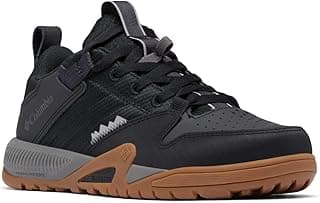
Approach shoes blur the line between hiking and light scrambling. They offer climbing shoe-like precision on rock faces while maintaining hiking shoe comfort for trail approaches. Unless she's regularly encountering scenarios requiring hands-on rock navigation, standard hiking shoes serve better for normal trekking.
Building Complete Hiking Systems
Quality hiking socks matter as much as the shoes themselves. Merino wool or technical synthetic materials prevent blisters, manage moisture, and cushion impact points. Cotton socks cause blisters guaranteed—avoid them completely for hiking. Including several pairs with shoes shows understanding that complete systems outperform individual components.
Trekking poles reduce impact on knees during descents and provide stability on uneven terrain. For women concerned about joint health or tackling steep trails, poles extend hiking capability significantly. Pairing shoes with poles creates comprehensive support for challenging adventures. A GPS fitness watch adds route tracking and elevation data for women who enjoy quantifying their achievements.
Proper trail maintenance supplies keep shoes performing optimally. Waterproofing treatments need periodic renewal. Leather requires conditioning. Cleaning after muddy hikes prevents material degradation. For holiday gifts combining practicality with adventure, complete hiking packages show systematic thinking about her outdoor pursuits.
Great gear doesn't guarantee great adventures—but inadequate gear almost guarantees disappointment.
Getting the Fit Right for Trail Performance
Hiking shoes should fit snugly through the midfoot and heel with room to wiggle toes. Downhill sections push feet forward; inadequate toe room causes blackened or lost toenails after steep descents. Half a size larger than street shoes typically accommodates this while preventing excessive internal movement that causes blisters.
Try shoes with the socks she'll actually wear hiking. Different sock thicknesses dramatically affect fit. What feels perfect with thin socks becomes too tight with proper hiking socks. If gifting, include quality socks sized to work with the shoes, ensuring the complete system fits appropriately together.
Width often gets overlooked but determines all-day comfort. Feet swell during long hikes; shoes that feel fine initially might pinch after several hours. Many quality brands offer multiple width options, acknowledging that standard widths don't suit everyone. Preventing circulation restriction matters both for comfort and blister prevention on extended treks.
Break-in requirements vary by construction. Leather shoes need gradual breaking in through short walks before long hikes. Synthetic materials typically feel comfortable immediately. Gift timing should account for this—leather shoes given weeks before planned hikes allow proper break-in; synthetics work for immediate use.
What This Gift Truly Enables
Trekking shoes say: I believe in your outdoor ambitions enough to invest in equipment that makes them achievable. You're not giving footwear—you're providing tools that expand what's possible. That vote of confidence, that tangible support for goals she might have mentioned casually, carries weight beyond the physical product.
There's empowerment in proper equipment. Women often underestimate their outdoor capabilities because inadequate gear limited previous attempts. Quality hiking shoes remove equipment as an excuse, forcing confrontation with actual limits rather than artificial ones. Many women discover they're far more capable than they realized once footwear stops being a limiting factor.
The gift also acknowledges that her outdoor time matters. Not family hiking time, not exercise time that could happen indoors—her specific desire to explore trails deserves support through appropriate equipment. That recognition, that her individual pursuits warrant investment, resonates especially with women accustomed to prioritizing others' needs and activities.
For relationships where you want to share outdoor experiences, quality hiking shoes represent invitation. They say: let's explore together, let's attempt harder trails, let's make outdoor adventures part of how we spend time. Shared experiences on trails often create bonds different from any other shared activity—accomplishment, beauty, challenge faced together.
Returns Beyond Physical Trails
Women who take up serious hiking report benefits extending far past fitness improvements. Problem-solving happens naturally during long walks through nature. Perspective returns when you're focused on navigating terrain rather than ruminating on stress. Confidence built on trails transfers to other life areas—if you can push through that final mile, handle that tricky descent, you can handle other challenges too.
Trail communities provide unexpected social benefits. Hiking groups, trail meetups, and chance encounters on popular routes create connections around shared interests. Quality equipment signals commitment to the activity, often leading to conversations and connections that expand social circles in meaningful ways.
Long-term health impacts compound over years of consistent hiking. Maintained cardiovascular fitness, bone density from weight-bearing exercise, joint health from controlled movement—these benefits accumulate whether or not you track them. The gift that enables this activity influences health trajectory for decades, making it among the most valuable presents possible.
Perhaps most significantly, proper hiking shoes often mark turning points in how women view their own capabilities. Years later, looking back at trails conquered and adventures completed, they trace confidence growth back to specific moments. Sometimes those moments connect to receiving equipment that said: you can do more than you think, and here are tools to prove it.
Gifts are for making an impression, not just for the sake of it.
GiftsPick - Meticulous, Kind, Objective.