
The Physics of Crystal Clear Ice: Why Thermal Mass Matters
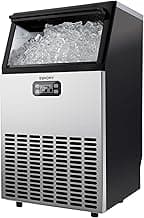
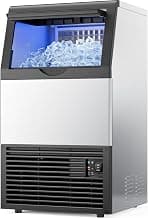
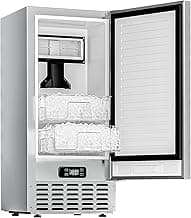
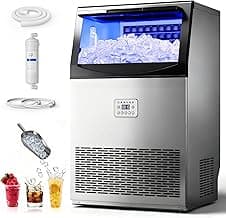
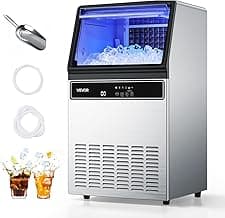
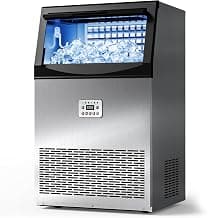
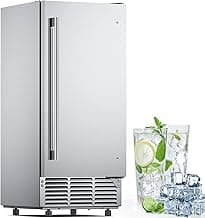
The primary reason a homeowner seeks the best undercounter ice machine is the quality of the ice itself. Standard residential freezer ice is usually opaque and melts rapidly due to trapped air and impurities. Professional-grade machines utilize "directional freezing" or "slab freezing" technology. In this process, water is circulated over a chilled plate, freezing layer by layer. This allows air bubbles and minerals to be washed away, resulting in crystal-clear cubes with higher density.
From a gifting perspective, presenting someone with a best clear ice maker is about more than aesthetics. High-density clear ice has a lower surface-area-to-volume ratio compared to "bullet" ice, meaning it melts significantly slower. For the connoisseur of fine spirits or craft cocktails, this ensures the beverage is chilled without premature dilution, preserving the intended flavor profile. When determining whats a good housewarming gift amount, it is important to realize that entry-level clear ice machines start at a significantly higher price point than their opaque-ice counterparts due to the specialized evaporator plates required.
Gifting tech is about more than specifications; it is about upgrading the recipient's window to the digital world, ensuring every frame is a testament to quality.
Technical Comparison: Under-Counter Ice Production Variables
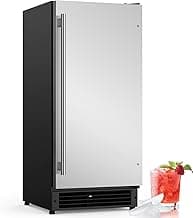
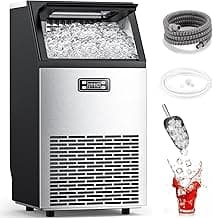
To choose the right unit, one must compare production capacity against storage limits. A machine that produces 50 pounds of ice a day but only stores 25 pounds will cycle off frequently, whereas a machine with a large bin but slow production may fail during peak hosting hours. The following table breaks down the technical categories for the most common best undercounter ice machine configurations.
| Feature Category | Gourmet/Clear Ice Units | Nugget/Sonic Ice Units | Crescent Ice Units |
|---|---|---|---|
| Ice Hardness | 95-100% (High Density) | 50-70% (Chewable) | 80-90% (Standard) |
| Daily Production | 30 - 65 lbs | 40 - 85 lbs | 20 - 40 lbs |
| Drainage Required | Always (Pump or Gravity) | Always (Pump or Gravity) | Optional (Usually none) |
| Internal Storage | 25 - 35 lbs | 25 - 30 lbs | 15 - 25 lbs |
Mechanical Integration: The Drain Pump vs. Gravity Drain
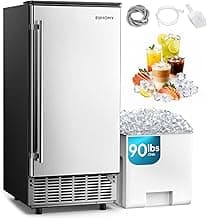
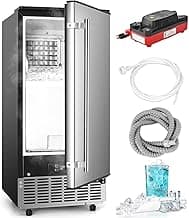
One of the most common points of failure in an ice machine installation is the drainage system. Because these machines are constantly melting and replenishing ice to ensure freshness, there is a steady stream of waste water. There are two primary ways to handle this. A gravity drain is the simplest and most reliable method, but it requires the machine to be located directly above a floor drain or a plumbing stack. If the machine is being gifted for a basement bar or an area without a nearby floor-level drain, you must ensure the unit is a best built-in ice maker equipped with a factory-installed condensate pump.
Mechanical pumps add a layer of complexity and a potential point of failure. These pumps use a float switch to activate a motor that pushes water up and out through a small tube. If the recipient lives in a region with hard water, mineral scale can seize these pumps. Therefore, the best undercounter ice machine for a gift should always be paired with a high-quality inline water filter to mitigate these maintenance risks. Before purchasing, it is wise to ask: do you bring gifts for housewarming that require professional installation? An undercounter unit usually does, making it a "collaborative" gift where the recipient may need to coordinate with a plumber.
Energy Efficiency and Decibel Ratings
In a residential setting, the noise of an ice machine can be a deterrent. Industrial compressors and fans are designed for commercial kitchens where ambient noise is high, but in a quiet home, they can be intrusive. The best undercounter ice machine models for home use are engineered with insulated bins and low-decibel compressors. Look for units that specify "outdoor rated" if they are intended for a patio, as these have enhanced insulation and cooling loops to handle ambient temperatures exceeding 90 degrees Fahrenheit.
BIFL Philosophy: Maintenance and Hidden Costs of Ownership
The "Buy It For Life" (BIFL) community often highlights that an ice machine is not a "set it and forget it" appliance. The internal environment of an ice machine is damp and cool—a perfect breeding ground for mold and biofilm if not maintained. When selecting a unit to serve as a best bar ice maker, check for a dedicated "Clean" cycle. This automated sequence circulates descaling solution through the water circuit to remove calcium and lime deposits from the evaporator.
Hidden costs include the biannual replacement of water filters and the electricity required to run a compressor 24/7. Some machines are essentially "ice makers" that produce ice but don't have a refrigerated storage bin; they rely on insulation to keep the ice cold, and the ice slowly melts over time. Others are "ice machines" that keep the bin at sub-freezing temperatures. While the latter prevents melting, it can cause the cubes to clump together. The best undercounter ice machine usually finds a middle ground, using a "fresh-flow" system where ice is continuously cycled to prevent sticking and stale odors.
Frequently Asked Questions (FAQ)
Is a dedicated undercounter ice machine worth the high price tag?
Yes, provided the user frequently hosts large groups or prioritizes specific ice textures (like nugget or clear ice) that a standard refrigerator cannot produce. Beyond the luxury of volume, these machines increase the resale value of a home by completing the functionality of a wet bar or secondary kitchen.
Do I need a water line for an undercounter ice machine?
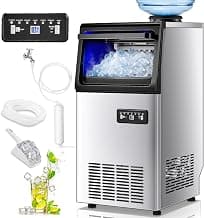
Yes, all undercounter models require a dedicated 1/4-inch cold water supply line. Unlike countertop units, they do not have manual-fill reservoirs, as they are designed for high-volume, automated production. It is also recommended to install a shut-off valve behind the unit for emergency maintenance.
How often should I clean my built-in ice machine?
Professionals recommend a deep descaling and sanitization every six months. In areas with high mineral content in the water, this frequency may need to increase to every three months to prevent the spray jets or evaporator plates from becoming clogged or pitted.
What is the difference between a "nugget" and a "clear" ice machine?
Clear ice machines produce hard, transparent cubes by freezing water in layers, ideal for cocktails. Nugget ice machines compress flaked ice into small, soft, chewable cylinders that are highly porous and absorb the flavor of the drink, making them a favorite for sodas and blended beverages.
Ultimately, gifting the best undercounter ice machine is a gesture of high-end utility. By focusing on mechanical durability, the type of drainage required, and the specific ice preference of the recipient, you ensure that this substantial investment provides years of seamless service rather than a headache of maintenance and repair.