
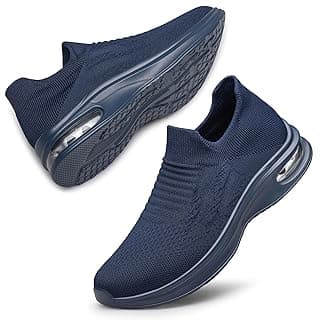
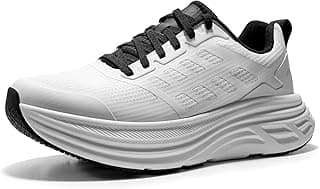
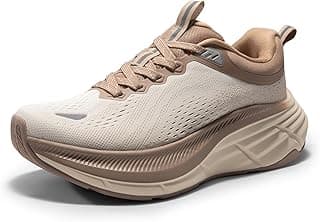
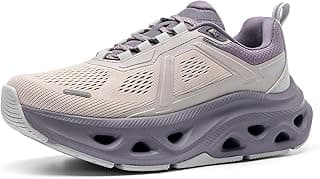
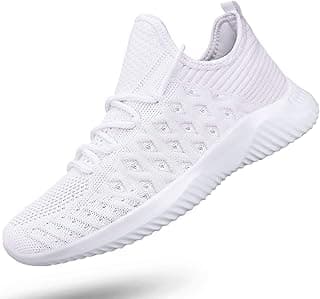
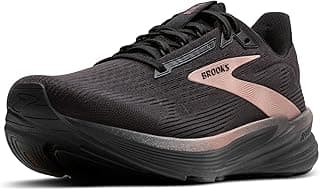
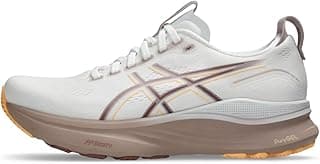
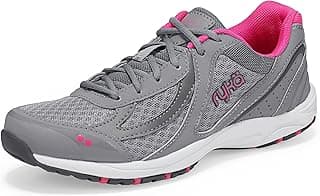
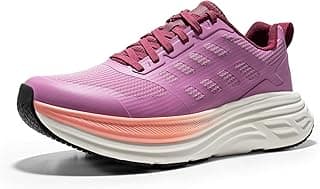
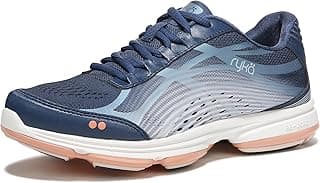
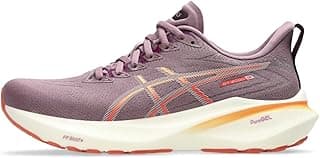
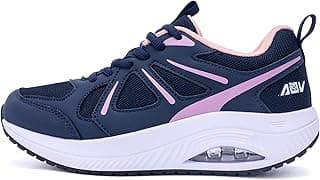
Understanding What's Actually Happening
Overpronation sounds medical because it is. But the concept is straightforward once visualized.
When a foot strikes the ground during walking, it naturally rolls slightly inward to absorb shock. That's pronation—normal and necessary. Overpronation occurs when this inward roll exceeds functional limits. The arch collapses too far. The ankle tilts too dramatically. The entire kinetic chain from foot to hip compensates for misalignment it wasn't designed to handle.
The consequences compound silently. Plantar fasciitis. Shin splints. Knee pain that worsens with activity. Hip and lower back strain. Each symptom seems unrelated until you trace them all back to feet that never received proper support.
Women experience overpronation more frequently than men due to wider hip angles affecting leg alignment. Pregnancy and hormonal changes can worsen the condition. Age-related ligament loosening contributes further. Many women overpronators don't know they are—they've just accepted that walking hurts more than it should.
She's not out of shape. She's not getting old. Her feet simply need support they've never received—and the right shoes change everything.
Why This Makes a Meaningful Gift
Most people don't research biomechanics. They buy shoes that look nice, feel okay initially, and wonder why their feet hurt after a few hours. The knowledge gap between needing stability shoes and knowing stability shoes exist prevents countless women from solving fixable problems.
Gifting walking shoes for women with overpronation bridges that gap. You've done the research she hasn't prioritized. You've found solutions to problems she's normalized. You've invested in her comfort specifically, not generically.
This gift says something different than typical presents. It communicates: I noticed you're uncomfortable. I figured out why. I found something that actually helps. That level of attention—researching her specific physical needs—carries more weight than gifts requiring less thought.
For mothers dealing with foot pain, this addresses real daily struggle. Thoughtful mom gifts solve problems she mentions once then stops mentioning because complaining feels pointless. For grandmothers losing mobility, presents that preserve independence matter more than decorative items. For friends returning to fitness, proper footwear prevents the injuries that derail good intentions.
What Stability Shoes Actually Do
Not all supportive shoes address overpronation. Understanding what "stability" means in footwear helps identify appropriate options.
Medial post technology: Denser foam or plastic on the inner (medial) side of the midsole resists the inward collapse. This structural element physically prevents excessive roll rather than just cushioning it.
Reinforced heel counters: Firm heel cups hold the foot in proper position from initial ground contact. Weak heel counters allow the ankle to roll before midfoot even engages. Squeeze the heel of any shoe—if it collapses easily, stability isn't present.
Arch support construction: Rather than flat platforms hoping orthotics will help, stability shoes build support into their architecture. The arch section maintains foot positioning throughout the gait cycle.
Wider bases: Broader platforms provide more stable foundations. Narrow shoes concentrate force into smaller areas, exacerbating pronation issues. Width matters structurally, not just for comfort.
Motion control features: The most aggressive stability option. Rigid elements actively prevent foot movement beyond healthy ranges. Reserved for severe overpronators who need maximum correction.
How to Identify If She Overpronates
Gait analysis at specialty running stores provides definitive answers. But several indicators suggest overpronation without formal testing.
Shoe wear patterns: Check the soles of her current walking shoes. Overpronators wear down the inner heel edge and inner forefoot disproportionately. This asymmetric wear pattern reveals chronic rolling.
Wet footprint test: A wet foot pressed on paper or dark flooring shows arch impression. Overpronators typically show nearly complete arch contact—flat or very low arches that collapse under weight.
Ankle observation: Watch from behind as she stands naturally. Ankles tilting inward toward each other indicate pronation issues. The Achilles tendons should align relatively straight; curved tendons suggest compensation.
Pain patterns: Arch pain, inner ankle discomfort, inner knee strain, and medial hip tightness correlate with overpronation. If her complaints cluster on the inside of her lower body, foot mechanics likely contribute.
Current shoe choices: If she gravitates toward flexible, cushioned shoes without stability features, she's probably not getting correction she needs. Soft feels good initially but fails to address mechanical issues.
Severity Levels and Appropriate Responses
Overpronation exists on a spectrum. Matching shoe correction level to pronation severity optimizes both comfort and function.
Mild overpronation: Slight inward roll beyond neutral. Most common presentation. Standard stability shoes with moderate medial posting provide adequate correction. These feel supportive without restrictive. Good starting point when uncertain about severity.
Moderate overpronation: More pronounced roll visible to casual observation. Stability shoes with firmer medial structures help. May benefit from combining stability shoes with supportive insoles. Worth consulting a specialty store for gait analysis confirmation.
Severe overpronation: Dramatic ankle collapse, significant shoe wear patterns, multiple related pain symptoms. Motion control shoes—the most structured category—may be necessary. Consider podiatrist consultation for custom orthotics. Severe cases sometimes need both maximum stability footwear and professional intervention.
When gifting without certain knowledge of severity, moderate stability options work best. They provide meaningful correction without over-controlling feet that might need less intervention. Under-correcting beats over-correcting for comfort purposes.
Features to Prioritize
Beyond core stability technology, certain features enhance the best walking shoes for women overpronation for daily use.
Appropriate cushioning: Stability doesn't mean hard. Quality stability shoes incorporate responsive foam that absorbs shock while maintaining structural support. The combination protects joints without sacrificing correction.
Breathable uppers: Women walking for exercise or daily activity need airflow preventing overheating. Mesh panels in stability shoes allow ventilation without compromising structure where it matters—the midsole and heel.
Lightweight construction: Heavy shoes exhaust legs faster, discouraging the activity that improves health. Modern stability shoes achieve support without excessive weight. Anything over 12 ounces deserves scrutiny.
Adequate toe box: Cramped toes affect balance and gait. Stability shoes should allow natural toe spread during walking. Width options from quality brands accommodate varying foot shapes.
Durable outsoles: Walking shoes face significant mileage. Rubber outsoles with appropriate traction patterns survive months of use. Foam-only bottoms wear quickly, especially on concrete and asphalt.
Brand Recommendations for Stability
Certain brands have built reputations specifically around stability footwear. Starting here simplifies the search.
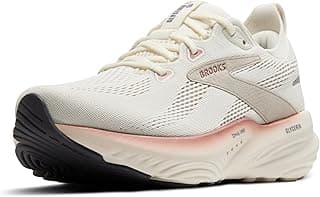
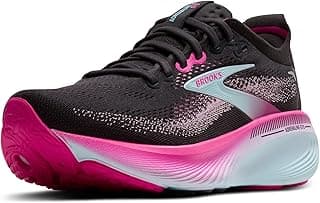
Brooks: Their GuideRails technology provides holistic stability rather than just medial posting. Popular models like Adrenaline and Addiction specifically address overpronation. Widely recommended by podiatrists and running specialists.
ASICS: The Gel-Kayano line has decades of refinement for stability needs. Their Dynamic DuoMax support system targets overpronation directly. Consistent sizing and proven durability.
New Balance: Exceptional width range serves women whose overpronation accompanies wide feet. The 840 and 928 models specifically target walking applications rather than running.
Saucony: The Guide series offers stability in lighter packages. Good option for women who want correction without shoe weight drawing attention.
Hoka: Their Arahi line combines maximum cushioning with stability. Suits overpronators who also need impact protection for sensitive joints.
Sizing Considerations for Gifts
Stability shoes size somewhat differently than casual footwear. Understanding these nuances improves gifting success.
Structural elements take space. Stability shoes may feel slightly more snug than neutral cushioned options in the same size. When uncertain, sizing up a half size provides safer margins.
Width availability matters enormously for overpronators. Cramped feet can't achieve proper gait mechanics regardless of stability features. New Balance and Brooks offer multiple width options; other brands may run narrower.
Check her current walking shoes if accessible. Same-brand sizing tends to remain consistent. Cross-brand, her size 8 might translate to 8.5 depending on manufacturer.
Include exchange options with the gift. "These are the right model—let's make sure the size works" removes pressure from both giver and recipient. Shoes for older women particularly benefit from this approach since foot changes complicate sizing assumptions.
When Professional Consultation Matters
Shoes alone don't solve every biomechanical problem. Recognize when professional guidance adds value.
Persistent pain despite stability footwear: If she's worn appropriate shoes and discomfort continues, underlying issues may require medical evaluation. Structural abnormalities sometimes need intervention beyond retail solutions.
Dramatic asymmetry: When one foot overpronates significantly more than the other, custom orthotics addressing the specific imbalance outperform symmetric shoe solutions.
Multiple contributing factors: Overpronation combined with other conditions—plantar fasciitis, bunions, neuromas—may need coordinated treatment from podiatrists or physical therapists.
Post-injury or surgery: Recovery periods require professional guidance for footwear choices. Standard recommendations may not apply during rehabilitation phases.
For gift contexts, quality stability shoes provide meaningful improvement for most overpronators. Professional consultation becomes the next step if the gift reveals limitations rather than solutions.
Good shoes start the correction process. Professional assessment optimizes it when shoes alone fall short.
Complementary Gift Additions
Stability walking shoes anchor mobility-focused gifts while combining naturally with supportive accessories.
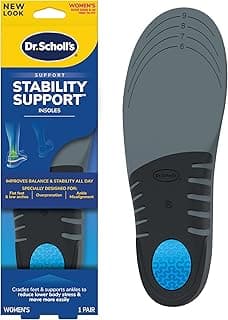
Quality arch-support insoles can enhance even good stability shoes. Brands like Superfeet or Powerstep add customization within existing footwear.
Compression socks aid circulation during extended walking. Particularly valuable for women over sixty managing swelling alongside pronation issues.
A fitness tracker encourages the walking those new shoes enable. Step counting motivates activity when feet finally cooperate.
Foam rollers address the muscle tightness overpronation causes up the kinetic chain. Calves, IT bands, and hip flexors all benefit from recovery tools.
The Transformation Potential
Proper stability footwear changes how walking feels. For chronic overpronators, the difference registers immediately—and keeps paying dividends.
First walks feel different. Feet land more securely. The wobble that seemed normal disappears. She might notice muscles engaging differently as corrected alignment recruits the right muscle groups.
Within weeks, the cascade effects materialize. The knee pain that flared during errands diminishes. The hip tightness that greeted mornings loosens. The walks she avoided become pleasant rather than punishing.
This gift trajectory differs from typical presents. Most gifts generate momentary delight then fade into background. Walking shoes for women with overpronation generate increasing appreciation as cumulative benefits compound. Every pain-free walk reinforces the value.
The Care Behind the Choice
Researching someone's biomechanical needs and finding specific solutions isn't typical gift territory. It requires learning about problems she may not have explained clearly. It demands understanding she may not possess herself.
That effort communicates something beyond the object. It says: your daily comfort matters to me. Your ability to move without pain is worth my time and attention. I don't just want to give you something—I want to solve something.
When someone takes time to understand your specific struggles and finds specific solutions, the gift transcends its physical form. That attention becomes the real present.
For birthday celebrations or any occasion warranting meaningful gifts, stability shoes for an overpronator deliver exactly this kind of thoughtfulness. She gets footwear, yes. But she also gets evidence that someone cared enough to understand what she actually needs.
Every corrected step reminds her of that care.
Gifts are for making an impression, not just for the sake of it.
GiftsPick — Meticulous, Kind, Objective.