
Why This Matters More Than It Seems
Cold hands aren't just uncomfortable—they're limiting. You cut errands short because your hands hurt. You avoid outdoor activities you'd otherwise enjoy. You rush through necessary tasks because prolonged cold exposure becomes unbearable. That's not living—that's surviving winter and resenting every minute.
Women tend to have colder extremities than men due to physiological differences in circulation. It's not weakness or low tolerance—it's biology. Their hands and feet genuinely get colder faster and stay cold longer. This makes proper gloves even more critical for women than for men, yet the market treats women's winter gear as fashion accessories rather than functional necessities.
You can layer everything else, but if your hands are freezing, your entire body feels miserable. Warm extremities change how you experience cold weather entirely.
There's also the practical angle. Women's lives don't pause for winter. School pickups, commutes, errands, work—all continue regardless of temperature. Having gloves that work means maintaining normal routines without suffering. That sounds basic, but it's the foundation of getting through winter without constant discomfort.
Who'll Actually Appreciate These
Commuters walking to train stations or waiting for buses need gloves that handle sustained cold exposure. Five minutes outside is one thing; thirty minutes at a frozen bus stop is another. Insufficient gloves turn daily commutes into endurance tests. For women traveling to work in cities with real winters, quality gloves aren't optional—they're survival equipment for maintaining professional routines.
Outdoor enthusiasts who refuse to hibernate need gloves for active pursuits. Hiking, skiing, snowshoeing—these require warmth without bulk that restricts movement. Women staying active through winter need gear that supports rather than limits their activities. Birthday gifts for active girlfriends work best when they enable continued pursuits rather than just marking occasions.
Moms doing school runs and outdoor supervision can't stay inside all winter. Children need playgrounds and outdoor time regardless of weather. Standing around watching kids play in freezing temperatures requires gloves that maintain warmth during minimal activity. Cheap gloves fail here—they work while you're moving but let hands freeze when you're stationary.
Even women who mostly move between heated spaces benefit from proper gloves. That walk from car to building, those few minutes scraping windshields, brief outdoor exposure adds up to significant cold hand time. Having gloves that work immediately instead of requiring extended wear to barely warm up matters for intermittent outdoor exposure too.
Timing Winter Gifts Right
Early winter gifting—November—means she has proper gloves before really needing them. Don't wait until January when she's already suffered through months of inadequate hand protection. Proactive gifts prevent misery; reactive ones just end it.
Holiday timing works naturally. Christmas gifts for mothers-in-law that solve real problems demonstrate more consideration than decorative items. Winter gloves given in December get immediate use throughout the coldest months, proving value quickly rather than sitting stored.
Replace-the-broken-ones timing happens when you notice her current gloves are inadequate. She's complained about cold hands, you've seen her struggling with frozen fingers, or she's using obviously insufficient gloves because she hasn't bought proper ones. That's your signal—don't wait for next winter or the next holiday.
Sometimes you just buy them because winter's coming and she probably doesn't have good gloves. Most women don't—they make do with whatever's cheap and available. Being proactive about someone's comfort shows attention that scheduled gifts often don't communicate.
Features That Actually Keep Hands Warm
Insulation thickness determines warmth in stationary conditions. Thinsulate, PrimaLoft, or down insulation in appropriate weights keeps hands warm without creating unwieldy bulk. Light insulation (40-100g) works for active use or moderate cold. Medium (100-200g) handles most winter conditions. Heavy (200g+) serves extreme cold or prolonged outdoor exposure with minimal activity.
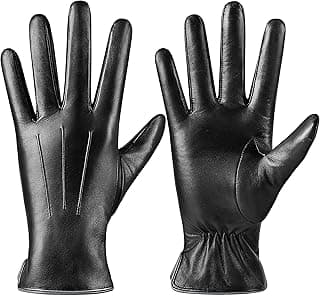
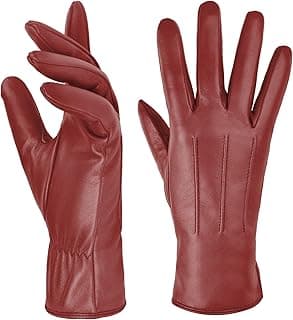
Shell material blocks wind, which makes cold exponentially worse. Windproof outer layers prevent the wind-chill that makes insulation useless. Leather provides natural wind resistance plus durability. Technical fabrics offer lighter weight with equal or better wind-blocking. The key is actual wind resistance, not just thickness—thin windproof shells outperform thick materials that let air through.
Waterproofing matters for snow and wet conditions. Wet gloves lose all insulating value immediately. Waterproof membranes or treated materials keep hands dry during snow contact, unexpected precipitation, or handling cold objects. For real winter use, water resistance isn't sufficient—you need actual waterproofing that prevents moisture penetration.
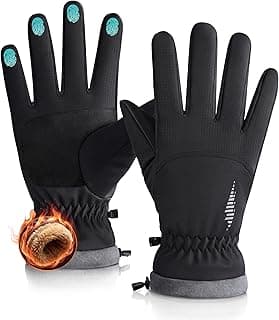
Wrist length and closure systems prevent heat loss at the gap between gloves and sleeves. Longer cuffs that tuck into or overlap with coat sleeves eliminate cold air infiltration. Adjustable closures—velcro straps, elastic, or cinch cords—seal this area properly. Half the warmth battle is preventing heat escape, not just generating it.
Different Gloves for Different Needs
Everyday gloves balance warmth with dexterity for normal winter activities. They keep hands warm during commutes, errands, and general outdoor time while allowing enough finger movement for car keys, door handles, and phone use. These serve most women's primary winter needs—getting through daily routines without frozen hands.
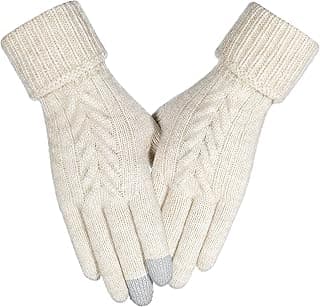
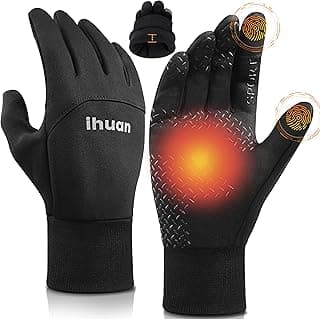
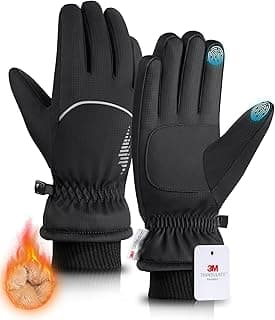
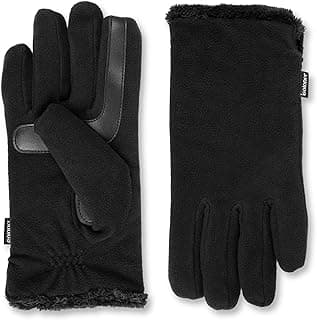
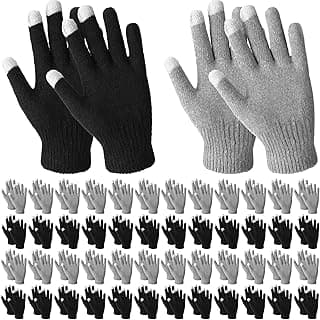
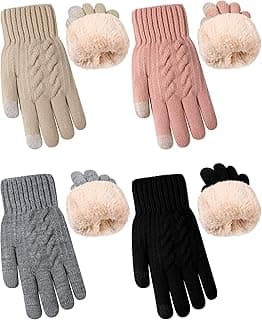
Touchscreen-compatible gloves include conductive material in fingertips for using phones without removing gloves. This seems minor until you're trying to check directions or respond to messages in freezing weather. For women constantly using devices, this functionality transforms from nice-to-have to absolutely necessary.
Activity-specific gloves prioritize different features. Ski gloves emphasize waterproofing and wrist sealing. Running gloves offer windproofing with minimal insulation to prevent overheating. Photography gloves include flip-back fingertips for operating cameras. Match gloves to her primary cold-weather activities rather than assuming one pair works for everything.
The perfect gloves are the ones she wears constantly because they work for her actual life, not theoretical outdoor adventures.
Building Complete Winter Protection
Winter gloves work best as part of layered systems. Thin liner gloves under heavier shells provide flexibility—wear liners alone for moderate cold or layer both for extreme conditions. This adaptability serves variable weather better than single-thickness gloves that either overheat or underperform depending on conditions.
Pairing gloves with other practical winter gifts creates comprehensive cold weather solutions. A quality scarf or hat completes extremity protection that gloves alone don't fully address. Warm hands matter less if your ears are freezing or neck is exposed—complete systems work better than individual excellent pieces.
Glove care extends lifespan significantly. Leather requires periodic conditioning to prevent cracking. Waterproof membranes need gentle cleaning to maintain performance. Proper drying after wet use prevents material degradation. Including care instructions with gifted gloves ensures they maintain effectiveness across multiple winters.
What Makes Quality Gloves Worth It
Good winter gloves last years, sometimes a decade with proper care. That longevity makes them cost-effective despite higher upfront prices. A $60 pair lasting five winters costs $12 per season. Three cheap $15 pairs replaced over that period total $45 while delivering inferior warmth throughout. The math favors quality.
Better construction means better hand protection. Reinforced areas resist wear. Quality stitching stays intact through repeated use. Materials maintain insulating properties despite compression and use. These durability factors determine whether gloves work through entire winters or fail partway through when you need them most.
The comfort difference between adequate and excellent gloves affects daily life more than price tags suggest. When your hands stay warm, you're more willing to go outside, less rushed to get back inside, more present during outdoor time instead of focused on discomfort. That improved quality of life compounds across every cold day for years.
Beyond Just Keeping Hands Warm
Gloves that work remove one major winter complaint from daily life. She won't mention frozen fingers anymore because they won't be frozen. That eliminated complaint might seem minor, but multiply it by dozens of cold days and it represents significant improvement in winter experience. Small daily miseries add up to major quality of life impacts.
There's also the practical independence factor. She doesn't need to rush back to heated spaces, doesn't need to cut activities short, doesn't need to avoid outdoor time because hand cold is unbearable. Proper gloves maintain normal functioning regardless of temperature. That freedom matters more than people who've always had good gloves realize.
For women who've been making do with insufficient gloves—because buying proper ones for themselves feels indulgent or because they don't realize better options exist—receiving quality gloves as gifts provides permission to be comfortable. Someone else decided warm hands matter enough to invest properly. That external validation often pushes women to prioritize their own comfort in ways they wouldn't independently.
Winter's going to happen regardless. You can suffer through it or equip yourself to handle it. Quality gloves are the difference.
The gift also communicates attention to daily realities rather than just special occasions. You noticed she's been cold, observed her struggling with inadequate gloves, or simply recognized that she probably doesn't have good ones because most people don't. That awareness of actual needs—rather than imagined ones or gift-list items—demonstrates care extending beyond surface-level gestures.
Years later, pulling out gloves that still work perfectly, she'll remember they were a gift and that someone thought about her comfort enough to invest in equipment that lasts. That's the kind of practical thoughtfulness that outlasts more expensive but less useful presents—the gift that keeps working every winter, proving its value repeatedly.
Gifts are for making an impression, not just for the sake of it.
GiftsPick - Meticulous, Kind, Objective.