
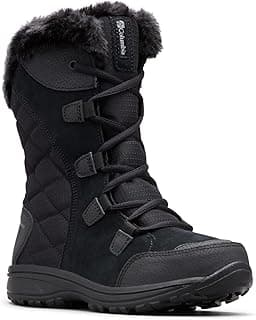
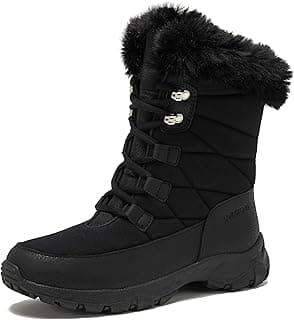
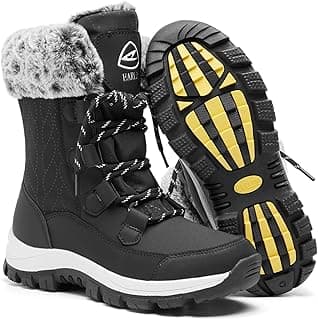
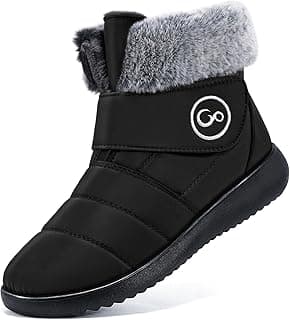
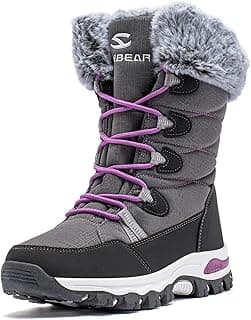
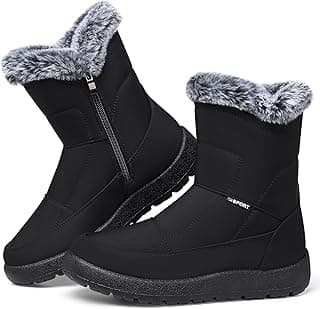
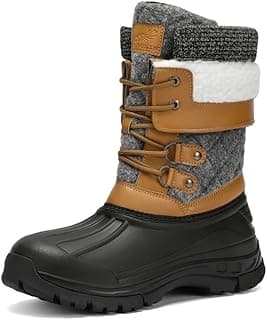
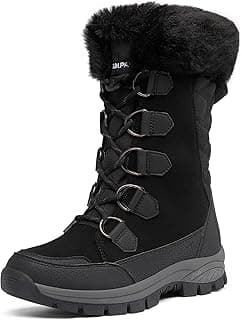
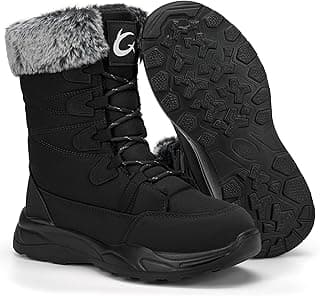

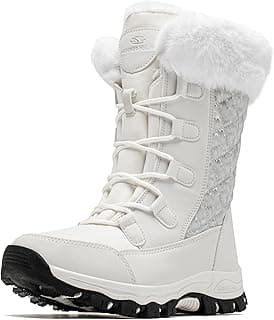
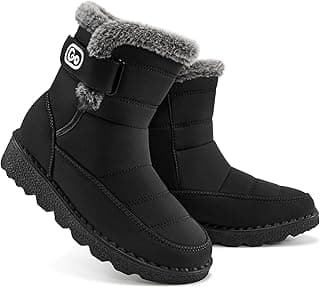
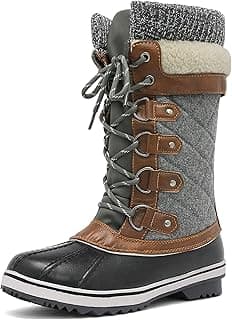
Why Regular Boots Fail in Actual Winter
Fashion boots look like they should work for winter. Leather, height that covers ankles, maybe even a little fleece lining. Then you walk through a parking lot after snowfall and water seeps through seams within minutes. Or you step on ice and nearly fall because decorative soles have zero traction. Or your feet go numb after twenty minutes outside because thin materials provide no insulation.
The problem is construction priorities. Fashion boots optimize for appearance and indoor wear. They're made to look good in stores and at parties, not to handle snow that melts into boots, ice that requires grip, or sustained exposure to temperatures below freezing. Using them for actual winter conditions is like using a sports car for off-roading—fundamentally the wrong tool for the job.
Winter boots work because they're engineered specifically for conditions that destroy regular footwear. There's no casual substitute.
Even hiking boots, which seem rugged enough, often lack the insulation and waterproofing winter demands. They're designed for movement that generates heat, not standing at bus stops or walking kids to school in sub-freezing temperatures. Different challenges require different solutions, and winter presents challenges most footwear never addresses.
Who Actually Needs Serious Winter Boots
Anyone living where winter means real snow and sustained freezing temperatures needs boots that handle those conditions. If you're shoveling driveways, walking through parking lots with slush puddles, waiting for buses in single-digit temperatures, or spending any time outside when it's genuinely cold—fashion boots won't cut it. You need actual winter boots.
Women who commute on foot or via public transportation face winter weather daily without the buffer of heated cars. Those walks to train stations, waits on platforms, treks from parking structures—they add up to significant cold exposure. Thoughtful gifts for friends who deal with this daily acknowledge that staying warm and safe shouldn't require suffering.
Outdoor enthusiasts who refuse to hibernate all winter need boots that support continued activity. Winter hiking, snowshoeing, walking trails even when they're snow-covered—these pursuits require footwear that provides traction and warmth without compromising mobility. Staying active through dark months matters for both physical and mental health, but only if you have gear that makes it bearable.
Parents doing school pickups, running errands, and handling all the outdoor time kids require can't just stay inside for months. Children need fresh air regardless of weather, which means adults need boots that let them supervise playground time, build snowmen, or walk to school without their feet becoming the limiting factor.
The Right Time for Winter Boot Gifts
Early winter timing—November through early December—means she has proper boots before really needing them. Waiting until deep winter means she's already suffered through weeks of inadequate footwear. The gift becomes more meaningful when it prevents misery rather than just ending it.
Holiday gift lists traditionally include winter boots for good reason. They're practical enough to justify the expense but nice enough to feel like real gifts rather than basic necessities. Christmas timing works particularly well because boots get immediate use throughout the coldest months remaining. Unlike summer gifts stored for months, winter boots given in December prove their value within days.
Moving to colder climates creates urgent boot needs. If she's relocating from mild to harsh winter regions, she likely doesn't own appropriate cold-weather gear. Quality winter boots as moving gifts acknowledge the practical challenges of the transition while providing tools to handle them. This beats housewarming presents she won't use until spring.
Sometimes need becomes obvious mid-season. If you notice her feet are constantly cold, she's slipping on ice, or she's avoiding going outside because her current boots are inadequate—that's your signal. Don't wait for next winter or the next holiday when the problem is happening now and affecting her daily life.
Core Features That Actually Matter
Waterproofing determines whether boots stay dry or become soggy disasters. Real waterproofing—sealed seams, waterproof membranes, treated materials—keeps water out during prolonged snow and slush exposure. Water-resistant treatments wear off quickly and fail in sustained wetness. This isn't optional in winter climates; it's the baseline requirement that separates winter boots from boots worn in winter.
Insulation keeps feet warm when temperatures drop below freezing. Different ratings serve different needs—200g insulation for active use and moderate cold, 400g for standing around or colder temperatures, 600g+ for extreme cold or minimal activity. More isn't always better; over-insulated boots cause sweating during movement, which then freezes, making feet colder. Match insulation to actual usage.
Traction becomes critical on ice and packed snow. Deep lugs with multi-directional patterns grip variable surfaces better than flat or shallow tread. Some boots include additional ice-gripping technologies—metal studs, special rubber compounds, aggressive patterns. For areas with frequent ice conditions, enhanced traction features prevent falls that could cause serious injury.
Winter boots either work completely or they fail completely. There's no partial success when dealing with freezing temperatures and wet conditions.
Height and closure systems affect snow entry. Taller boots prevent snow from getting inside during deeper conditions. Secure closures—laces plus zippers, or cinch systems—seal openings against snow infiltration. Once snow gets inside boots and melts, your feet are wet for the duration, making proper closure mechanisms essential rather than cosmetic.
Balancing Warmth with Practicality
Mobility matters for daily wear. Boots that keep feet warm but make walking difficult don't get worn. Flexible soles and reasonable weight allow natural gait while providing protection. Stiff, heavy boots work for standing in extreme cold but exhaust you over distance. Consider her actual winter activities—commuting requires different boot characteristics than standing at outdoor events.
Indoor transitions create temperature management challenges. Boots warm enough for sub-zero outdoor temps become ovens in heated buildings. Removable liners help—warm outside, cooler inside. Or choose moderate insulation levels if she spends significant time indoors throughout the day. Sweat-soaked feet from over-insulation lead to colder feet than slightly less insulation with dryness.
Break-in periods vary dramatically. Some winter boots feel comfortable immediately; others require wearing around the house to soften materials before outdoor use. Leather boots typically need more break-in than synthetic options. Gifting early in the season allows time for this process before boots are needed urgently, preventing blisters during the first major snowstorm.
Style Considerations That Don't Sacrifice Function
Modern winter boots range from purely utilitarian to reasonably stylish while maintaining functionality. Sleeker silhouettes work better with most clothing while still providing necessary protection. Unless she's snowshoeing in backcountry, bulky mountaineering boots are overkill and won't get worn for normal winter life.
Neutral colors increase versatility. Black, brown, gray—these work with most winter wardrobes without clashing or demanding specific outfit coordination. Women who care about appearance won't wear even excellent boots if they only match one coat or pair of pants. Practical doesn't mean ugly, but it does mean choosing options that integrate into existing wardrobes.
Shaft height affects both function and style. Mid-calf boots handle most snow conditions while working with various pant styles. Taller boots provide more protection but can look awkward with some clothing. Shorter boots offer more styling flexibility but allow snow entry more easily. Her typical winter wardrobe should guide this choice—what works with her actual clothing?
Building Complete Cold Weather Protection
Winter boots work best as part of comprehensive cold weather systems. Pairing boots with quality insulated gloves creates full extremity protection. Cold hands and cold feet compound each other's misery; warm hands and feet create comfort that extends to the entire body. For birthday gifts during cold months, these combinations show systematic thinking about her comfort.
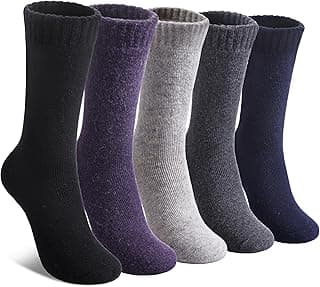
Quality wool or synthetic winter socks dramatically improve boot performance. Even excellent boots fail with cotton socks that absorb moisture and lose insulating properties when damp. Merino wool or technical synthetic materials manage moisture, maintain warmth, and cushion feet during extended wear. Including several pairs with boots shows attention to the complete system rather than just the obvious centerpiece.
Boot care products extend lifespan significantly. Waterproofing treatments need renewal periodically as they wear off. Leather boots require conditioning to prevent cracking. Salt stains need removal to avoid material degradation. For women who embrace winter activities, maintaining gear properly keeps it functional across multiple seasons rather than requiring frequent replacement.
Sizing and Fit for Winter Conditions
Winter boots should fit slightly larger than regular shoes to accommodate thick socks. Standard sizing with thin socks will feel too tight with proper winter socks. Most quality winter boots account for this, but trying with the socks she'll actually wear prevents fit issues. If buying as a gift, sizing up slightly is safer than too snug—extra socks can fill space, but cramped toes won't warm up.
Width becomes critical in insulated boots. Thick insulation reduces internal volume, effectively making boots narrower than their size suggests. Women who normally wear medium width might need wide in heavily insulated boots. Restricted circulation from tight boots causes cold feet regardless of insulation quality—blood flow matters more than thickness for staying warm.
Ankle and calf fit affects comfort during extended wear. Boots that dig into calves or chafe ankles become unwearable regardless of other qualities. Adjustable closures help customize fit, but fundamental proportions matter. Some brands design specifically for different leg shapes—athletic calves, slimmer calves, wider ankles. When possible, checking brand fit reputations prevents common issues.
What This Gift Really Provides
Winter boots remove fear from winter. Fear of slipping on ice. Fear of wet, freezing feet. Fear of being stuck outside longer than planned because you're inadequately equipped. That psychological freedom—being able to go out regardless of conditions—matters more than people who've always had proper boots realize. You're not just giving footwear; you're giving the ability to function normally through winter.
There's also acknowledgment of real conditions she faces. Winter isn't romantic when you're dealing with it daily. It's slush puddles, salt stains, numb toes, and near-falls on ice. Quality winter boots say: these challenges are real and deserve proper tools. That validation of her actual experience, rather than winter's aesthetic appeal, shows genuine understanding.
The practical nature of the gift demonstrates care that extends beyond romantic gestures. You noticed she's been cold, seen her struggle with inadequate boots, or want to prevent winter misery before it starts. That attention to her daily comfort and safety communicates love through action rather than just words. Sometimes the most meaningful gifts are the ones that make hard seasons bearable.
For women who've been making do with insufficient gear because buying proper boots for themselves feels like an indulgence, receiving them as gifts provides permission. Someone else decided her warm, dry, safe feet matter enough to invest properly. That external validation often pushes women to prioritize their own comfort in ways they wouldn't have done independently.
Long-Term Value Beyond One Season
Quality winter boots last years, sometimes decades with proper care. The investment compounds across multiple winters rather than just one season. Women who receive excellent winter boots often mention still wearing them five, ten years later—every winter, proving their value repeatedly. That longevity makes them exceptional value compared to cheaper boots replaced annually.
Good winter boots actually increase outdoor time during cold months. When going outside doesn't mean suffering, people do it more. Walks remain pleasant, errands don't feel punishing, outdoor activities stay enjoyable. That maintained activity level affects physical health, mental wellbeing, and quality of life throughout winter's dark months.
The safety factor prevents injuries that could cause long-term problems. Falls on ice can result in broken bones, head injuries, or chronic pain from sprains. Traction features in quality boots prevent many of these incidents. That injury prevention carries value impossible to quantify but absolutely real in avoiding medical expenses, recovery time, and lasting physical issues.
The best winter gear is the kind that makes you forget winter is supposed to be miserable. You just go about your life, comfortable and safe.
Perhaps most significantly, proper winter boots change how someone experiences entire months of the year. Winter stops being something to endure and becomes just another season. That shift—from dreading cold months to moving through them comfortably—represents quality of life improvement that lasts decades. Every winter, for years to come, she'll benefit from this gift's foresight.
Gifts are for making an impression, not just for the sake of it.
GiftsPick - Meticulous, Kind, Objective.