What Changes With Age
Understanding the shifts that come with aging helps you choose appropriately.
Accumulation reverses. Younger people are building lives—adding furniture, clothes, tools, technology. Older people often begin editing. They're thinking about downsizing, not accumulating. Every new object must earn its space.
Quality trumps quantity definitively. They've experienced enough cheap items to know better. One excellent thing beats three adequate ones. Craftsmanship registers. Disposable frustrates.
Comfort becomes non-negotiable. Bodies that have worked for decades communicate clearly. Shoes that hurt aren't tolerated. Chairs that don't support get avoided. Comfort isn't weakness—it's wisdom earned.
Time feels finite. Whether acknowledged openly or not, awareness of limited time affects priorities. How they spend remaining years matters more than what they own.
Connection outweighs possession. Relationships with family and friends often eclipse material desire. Gifts that facilitate connection frequently outperform objects.
"They've had decades to figure out what they actually value. Trust that wisdom—and shop accordingly."
What They Actually Want: The Research
Studies on gift preferences among older adults reveal consistent patterns.
Time With Family Ranks Highest
Across surveys, older people consistently rate time with loved ones above material gifts. Not obligatory visits—genuine quality time. Presence without distraction. Conversation without phone-checking.
This doesn't mean gifts don't matter. It means gifts facilitating connection often outperform gifts that don't.
Practical Items They'll Actually Use
Novelty items sit unused. Practical items improving daily life get appreciated. The key is identifying practical items they need but haven't replaced or wouldn't buy themselves.
Experiences Over Objects
Research shows experiences create more lasting happiness than material possessions—and this effect often strengthens with age. Older people have enough stuff. They may lack experiences, especially those requiring coordination or travel they wouldn't arrange alone.
Reduced Burden, Not Added Burden
The best gifts simplify life rather than complicate it. Anything requiring care, learning, or maintenance may create stress rather than joy. Relief from existing burdens often matters more than additions to their lives.
Comfort Gifts That Land
Older bodies deserve comfort. Gifts enhancing daily physical experience create repeated value.
For Warmth
Temperature regulation often becomes challenging with age. Gifts addressing warmth are frequently appreciated.
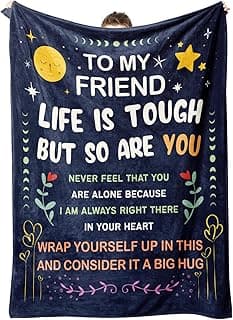
- Quality throws and blankets: Lightweight but warm, easy to handle, beautiful enough to display
- Heated blankets: Simple controls, not complicated digital interfaces
- Warm socks with non-slip soles: Practical safety plus comfort
- Layering pieces: Cardigans, shawls, wraps in soft materials
For Rest
- Quality pillows: Supportive for sleeping and sitting
- Seat cushions: For chairs they use frequently
- Premium bedding: Sheets that feel genuinely good
- Adjustable reading pillows: For comfort while reading or watching television
For Mobility
- Supportive walking shoes: Comfortable without looking medical
- Quality slippers: Actual support, not flat flimsy options
- Compression socks: Stylish options that don't look clinical
For senior women specifically, comfort gifts consistently rank among most appreciated options.
Experience Gifts That Create Joy
Experiences often outperform objects—but must match their actual capacity and interests.
Accessible Adventures
Match the experience to their abilities. A hiking trip for someone with mobility issues isn't thoughtful—it's inconsiderate.
- Scenic drives: Beautiful routes with comfortable stops
- Cultural outings: Theatre, concerts, museums with appropriate seating
- Restaurant experiences: Quality meals at accessible venues
- Day trips: To places they'd enjoy, with transportation handled
Home-Based Experiences
For those who prefer staying home or have limited mobility:
- In-home services: Massage therapist, hairdresser, or chef who comes to them
- Virtual tours: Museums, landmarks, or places they've always wanted to see
- Family gatherings: Organised and hosted by you, requiring nothing from them
- Private screenings: Movie nights set up in their home with their favourites
Your Presence
Often the best experience gift is simply you, showing up with undivided attention.
- Scheduled regular visits—not vague promises
- Planned activities they enjoy, prepared by you
- Meals together without time pressure
- Walks, conversations, games—whatever they love
"They don't want your obligation. They want your genuine presence. There's a difference they can feel."
Practical Gifts That Simplify Life
The best practical gifts solve problems or improve daily routines.
Vision Aids
- Quality magnifying glasses with lights
- Large-print books or e-readers with adjustable text
- Bright, adjustable lamps for reading areas
- High-contrast items for daily use
Hearing Support
- TV listening devices—headphones designed for television
- Amplified phones
- Doorbell systems with visual alerts
Daily Living Aids
- Easy-open tools for jars, bottles, packages
- Ergonomic kitchen utensils
- Non-slip mats and rugs
- Pill organisers that actually work
- Large-button devices
Present these as practical improvements, not disability accommodations. Framing matters enormously.
Services That Remove Burden
For older people managing households that feel increasingly burdensome, services often outperform objects.
Home Maintenance
- Cleaning service: Regular or one-time deep clean
- Lawn and garden care: Seasonal or ongoing
- Handyman visits: Addressing accumulated small repairs
- Gutter cleaning, window washing: Tasks requiring ladders they shouldn't climb
Personal Care
- Hairdresser who visits: Eliminating salon travel
- Massage or wellness services: Brought to their home
- Meal delivery: Quality prepared food reducing cooking burden
Administrative Help
- Technology support: Regular sessions sorting out device frustrations
- Paperwork assistance: Bills, forms, correspondence
- Digital organisation: Photos, files, subscriptions
When considering gifts for parents who have everything, services eliminating burden often resonate most.
Connection Gifts
Loneliness affects older populations significantly. Gifts facilitating connection address a genuine need.
Technology That Connects
- Tablets or devices pre-configured: Video calling set up, contacts loaded, tutorials completed by you
- Digital photo frames: That update automatically when you add new family photos
- Simple phones: With one-touch calling to important people
Critical: the technology gift includes your ongoing support. Setup and abandonment creates frustration, not connection.
Scheduled Contact
- Commitment to regular calls—same time each week
- Planned visits with specific dates
- Subscription to activities requiring your participation
Social Facilitation
- Memberships to clubs or organisations matching their interests
- Transportation to social activities they'd otherwise miss
- Organised gatherings with old friends—you handle logistics
Sentimental Gifts Done Right
Older people often appreciate legacy and memory—but execution determines whether sentimental gifts land or feel heavy.
What Works
- Photo books: Curated, captioned, focused on specific themes or eras
- Letters from family: Specific memories, not generic appreciation
- Recorded conversations: Their stories preserved for future generations
- Digitised memories: Old photos, films, documents converted to accessible formats
What Overwhelms
- Massive projects requiring their effort to complete or process
- Collections of items requiring storage or display
- Sentimental gifts that feel like goodbye rather than celebration
Keep sentimental gifts focused. One meaningful gesture beats a mountain of emotional content.
"They want to know they mattered—not to be buried in evidence of their entire lives."
Consumables That Disappear Gracefully
Many older people are actively reducing possessions. Consumables respect that preference while still delivering thoughtfulness.
- Quality food items: Specialty chocolates, premium baked goods, favourite treats
- Fresh flowers: Regularly delivered, requiring no effort from them
- Specialty beverages: Tea, coffee, wine they'd enjoy but wouldn't buy
- Prepared meals: From restaurants they love or homemade by you
Subscription boxes work when matched to their actual interests—monthly small pleasures without permanent residence.
What to Avoid
Certain gifts consistently fail with older recipients:
Complicated technology without support. That tablet means nothing if they can't use it and you won't teach them. Include your ongoing help or don't bother.
Gifts highlighting decline. Products marketed explicitly "for seniors" with outdated design. Reading glasses as surprises. Anything screaming "you're old."
Obligations disguised as gifts. Pets requiring care. Plants needing attention. Memberships demanding attendance. At this stage, obligations should decrease, not increase.
Heavy items. They can't lift them. Whoever helps them can't either. Consider the practical reality of receiving and using the item.
Strong scents. Sensitivities often increase with age. Perfume, candles, and heavily fragranced products may overwhelm.
Generic "older person" gifts. Items that could go to any senior rather than this specific person. They've received decades of generic gifts. They notice when you didn't bother to personalise.
Cheap versions of meaningful categories. If giving a robe, make it quality. If giving slippers, make them supportive. Half-effort gifts feel insulting rather than thoughtful.
Understanding Individual Variation
"Older people" isn't a monolithic category. A 65-year-old marathon runner differs from a 75-year-old homebody. A tech-savvy retiree differs from someone who avoids screens. Age provides context, not prescription.
Know the Person
Ask yourself:
- What do they actually enjoy doing?
- What have they mentioned wanting or needing?
- What physical realities affect their daily life?
- What brings them visible joy?
- What frustrates them that could be solved?
Ask Directly
Older people often answer honestly when asked. "What would actually make your life better or more enjoyable?" gets real answers from people past pretending.
If they insist they want nothing, ask differently: "What's something you've been tolerating that could be improved?" or "If you could have help with one thing, what would it be?"
Budget Considerations
Thoughtful Without Much Budget
- Your time, specifically scheduled and protected
- Handwritten letter with specific memories
- Photo printed and framed—something they don't have
- Homemade food in their favourites
- Tasks completed: errands, organisation, repairs
Moderate Budget
- Nice meal together at a restaurant they'd enjoy
- Quality comfort item they need
- Service addressing a specific burden
- Experience suited to their interests and abilities
Larger Budget
- Significant experience: travel, major events
- Professional services over extended periods
- Major comfort upgrades: furniture, bedding
- Technology with your committed support
For understanding elderly spending patterns, what they buy themselves often reveals what they'd appreciate receiving.
Presentation Matters
How you give affects reception.
Timing: Expected occasions are fine, but unexpected gestures often land harder because expectations are zero.
Presence: Be there when they receive it. Your attention during the giving amplifies any gift's impact.
Explanation: "I got you this because I remembered you mentioned..." transforms generic into personal.
Packaging: Accessible matters. Packaging they can actually open. Not excessive materials they'll need to dispose of.
The Underlying Truth
What do older people like for gifts? At the deepest level, the same thing everyone wants: evidence that they matter.
The specific form varies—comfort, experiences, practical help, connection, consumables. But underlying every successful gift is the same message: I see you. I think about you. You're worth my effort to get this right.
Older people have received enough gifts to distinguish between thoughtful and obligatory, between genuine care and going-through-motions. They appreciate the effort visible in a choice that required knowing them specifically.
That's what they like for gifts. Not products from a list—but proof that someone paid attention.
Gifts are for making an impression, not just for the sake of it.
GiftsPick – Meticulous, Kind, Objective.