The Components of Perceived Expense
Expensive-looking gifts share characteristics that signal value—whether or not the price tag matches.
Quality Materials
Materials communicate instantly. Before she reads the label, her hands register the weight, the texture, the feel.
Materials that signal expense:
- Natural fibres: Cashmere, silk, quality cotton, linen, wool
- Real leather: Full-grain, vegetable-tanned, substantial weight
- Solid metals: Stainless steel, brass, copper—not plastic made to look metallic
- Glass and ceramic: Thick, substantial, well-finished
- Wood: Real wood with visible grain, not veneer or composite
Materials that undermine:
- Thin, flimsy plastics
- Synthetic fabrics trying to look natural
- Faux leather that peels or smells chemical
- Hollow, lightweight metals
Weight and Substance
Weight signals quality. Heavier items feel more valuable—a psychological truth retailers have exploited for decades.
- Solid over hollow
- Substantial over flimsy
- Dense over lightweight
The candle in thick glass feels expensive. The same scent in thin glass feels cheap. The mechanism is subconscious but powerful.
Finishing and Details
Expensive items have refined finishing. Edges are smooth. Seams are invisible. Hardware functions perfectly. Details receive attention.
Signs of quality finishing:
- Clean, precise stitching
- Smooth edges without roughness
- Consistent colour without variation
- Hardware that clicks rather than rattles
- Invisible joins and seams
Signs of poor finishing:
- Visible glue, uneven stitching
- Rough edges, burrs on metal
- Colour inconsistency
- Wobbly or loose components
"She may not consciously notice finishing quality. She'll unconsciously feel it. The gift registers as 'nice' or 'cheap' before she understands why."
Simplicity and Restraint
Expensive design often means less, not more. Luxury brands typically use:
- Clean lines over ornate decoration
- Single quality elements over many mediocre ones
- Subtle branding over logos everywhere
- Timeless design over trendy details
The cluttered, decorated, heavily branded item often looks cheaper than the simple, clean, subtly made alternative.
Packaging and Presentation
This is where affordable gifts gain the most ground. Presentation creates first impression—and first impressions anchor perception.
Expensive-looking packaging includes:
- Quality paper with weight and texture
- Ribbon or finishing touches in complementary colours
- Clean, intentional wrapping (not rushed)
- Beautiful boxes when possible
- Tissue paper for interior presentation
The gift wrapped beautifully in quality paper feels expensive before it's opened. The gift in a plastic bag doesn't recover from that first impression.
Categories Where Looking Expensive Is Achievable
Some categories allow easier elevation of perceived value than others.
Candles
The gap between cheap-looking and expensive-looking candles comes down to:
- Vessel: Heavy glass, ceramic, or metal. Substantial weight. Clean design.
- Wax colour: Often cream or natural, not bright colours.
- Scent subtlety: Not overwhelming artificial fragrance.
- Labelling: Minimal, elegant typography rather than busy graphics.
Quality candles exist at various price points. Choosing based on these signals rather than just scent changes perception dramatically.
Skincare and Beauty
Expensive-looking beauty products share characteristics:
- Packaging: Heavy glass, quality pumps and caps, substantial feel.
- Design: Clean, minimalist labels. Elegant typography.
- Size: Sometimes smaller is luxurious—concentrated formulas in quality vessels.
Many quality indie brands look expensive despite mid-range prices because they prioritise packaging. Department store budget lines often look cheaper despite costing more because they prioritise volume over vessel.
Food and Consumables
Expensive-looking food gifts rely on:
- Packaging: Quality boxes, ribbon, beautiful containers.
- Quantity restraint: Small amounts of premium product over large amounts of mediocre.
- Presentation: How items are arranged and displayed.
- Provenance: Single-origin, specific producer, named location.
A small box of artisan chocolates presented beautifully looks more expensive than a large box of mass-market varieties regardless of actual cost.
Textiles
Expensive-looking fabrics demonstrate:
- Natural materials: Cashmere, silk, quality wool, linen, premium cotton.
- Weight: Substantial fabrics feel luxurious.
- Drape: How fabric falls reveals quality.
- Simple design: Solid colours, subtle patterns over busy prints.
A simple cashmere piece looks expensive because cashmere looks expensive. The material does the work.
Stationery and Paper Goods
Elevated paper products show:
- Paper weight: Thick, substantial sheets.
- Texture: Quality cotton, linen, or coated papers.
- Printing: Letterpress, foil, embossing—tactile elements.
- Binding: Quality construction for notebooks and journals.
A simple notebook with quality paper and binding looks expensive. A decorated notebook with thin paper doesn't.
Leather Goods
Expensive-looking leather requires:
- Real leather: The smell, the texture, the aging potential.
- Minimal branding: Quality leather needs no logo announcement.
- Clean construction: Precise stitching, finished edges.
- Hardware: Solid metal, not plated plastic.
A quality leather wallet from a lesser-known brand often looks more expensive than a logo-covered mass-market alternative.
"Luxury brands charge for the name. Quality construction creates the look. You can find one without the other."
The Power of Single Statement Items
One quality item looks more expensive than multiple cheaper items. This principle guides smart gift selection.
Why Singular Works
- Focus: Attention concentrates on quality rather than diffusing across quantity.
- Confidence: A single item implies you knew exactly what to choose.
- Display: One beautiful thing presents better than a pile.
- Quality investment: Budget focused on one item shows in that item.
Application
Instead of:
- Gift basket with many items → One premium item beautifully wrapped
- Set of mediocre items → Single quality piece
- Volume purchase → Concentrated quality
The woman receiving one beautiful cashmere item perceives more expense than one receiving five fast-fashion pieces—regardless of comparable total cost.
Presentation Elevates Everything
Presentation offers the highest return on investment for appearing expensive. The same gift wrapped differently creates entirely different impressions.
Wrapping That Signals Expense
- Quality paper: Weight you can feel, texture you can see. Matte finishes often look more expensive than shiny.
- Colour restraint: Neutrals, deep jewel tones, or clean black/white. Avoid garish brights.
- Ribbon or twine: Finishing touch in complementary colour. Satin ribbon, grosgrain, or natural twine.
- Precision: Careful corners, clean folds, intentional execution.
Boxing When Possible
A gift in a beautiful box feels different from one in paper alone. Options include:
- Quality retail boxes (save and reuse)
- Purchased gift boxes in appropriate sizes
- Fabric pouches or drawstring bags
Interior Presentation
- Tissue paper in appropriate colour
- Items arranged intentionally, not thrown in
- Card or note included thoughtfully
The Card
A quality card with handwritten message elevates any gift. The card itself should follow expensive-looking principles: quality paper, clean design, substantial feel.
What you write matters as much as how it looks. Specific, genuine words on a beautiful card contribute to expensive impression more than generic message on fancy paper.
Brands That Look Expensive Without the Price
Certain brands deliver expensive aesthetics at accessible prices by prioritising design and presentation over marketing budgets.
What to Look For
- Direct-to-consumer brands: No retail markup, quality invested in product.
- Design-focused companies: Prioritise aesthetics as core value.
- Specialty producers: Focus on specific category excellence.
- Artisan makers: Craft focus over scale.
Where to Find Them
- Museum gift shops (design-curated)
- Local boutiques (owner-selected quality)
- Specialty online retailers (category-focused)
- Artisan marketplaces (maker direct)
Avoid mass-market gift sections at pharmacies, airports, and big-box stores. The gift that looks expensive rarely comes from the same shelf as shampoo.
Specific Gift Categories That Look Expensive
Here are categories where looking expensive is most achievable:
Quality Comfort Items
- Cashmere accessories: Even small pieces—socks, wrist warmers—signal luxury.
- Silk items: Pillowcases, eye masks, scarves. Silk always looks expensive.
- Premium slippers: Quality materials, good construction.
- Quality loungewear: Premium pyjamas, robes in natural materials.
For comfort footwear, quality materials and construction create expensive appearance at various price points.
Artisan Food and Drink
- Single-origin items: Chocolate, coffee, olive oil with specific provenance.
- Small-batch producers: Limited production signals quality.
- Beautiful packaging: Glass jars, quality boxes, ribbon finishing.
- Unusual varieties: Things she wouldn't find at supermarket.
Home Items
- Quality candles: Heavy vessels, subtle scents, minimal design.
- Ceramic items: Handmade, unique glazes, artistic production.
- Glassware: Crystal or quality glass with weight and clarity.
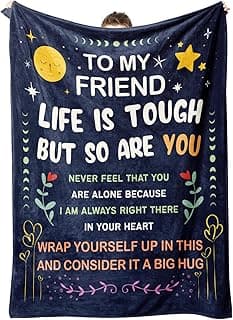
- Throws and blankets: Natural materials, substantial weight, simple design.
Jewellery
- Simple design: Clean lines over ornate detail.
- Quality metals: Solid gold, sterling silver, quality plating.
- Minimal: Delicate pieces often look more expensive than heavy statement items.
- Appropriate packaging: Box, pouch, presentation matters enormously.
Beauty and Wellness
- Premium packaging: Glass vessels, quality caps, substantial feel.
- Minimal branding: Elegant typography, clean labels.
- Niche brands: Specialised producers often outpace department store aesthetics.
"The gift that looks expensive invests in quality you can touch and presentation you can see—not in marketing you've heard."
What Undercuts Expensive Appearance
Avoid these value-diminishing elements:
Obvious Branding
Logos everywhere signals trying too hard. True luxury whispers. The bag covered in logos looks less expensive than the simple quality leather bag without visible branding.
Busy Design
Ornamentation often substitutes for quality. The highly decorated item draws attention away from materials and construction—often because those aren't worth examining.
Sets and Bundles
Gift sets often collect items that wouldn't sell individually into packages that look generous but feel cheap. The collection of mediocrity signals budget thinking even if actual cost was significant.
Plastic Packaging
Visible plastic—blister packs, cheap containers, obvious synthetic materials—immediately diminishes perceived value. Even quality items suffer when packaged poorly.
Cheap Finishing
Poor stitching, rough edges, loose hardware, visible glue—these details register subconsciously even when not consciously noticed. Quality shows in finishing.
Budget Allocation Strategy
If looking expensive is the goal, allocate budget strategically:
Prioritise Visible Quality
Invest where quality shows:
- Materials she'll touch
- Finishes she'll see
- Presentation she'll experience first
Reduce Hidden Costs
Minimise spending where quality is invisible:
- Interior packaging (simple is fine)
- Brand premiums (unknown quality brands often match famous ones)
- Quantity (fewer better items)
The Presentation Investment
Budget specifically for presentation:
- Quality wrapping paper
- Ribbon or finishing materials
- Beautiful card
- Box if appropriate
$5-10 invested in presentation transforms perceived value of the gift inside.
The Handmade Exception
Handmade gifts operate by different rules. They don't need to look expensive in the commercial sense—they need to look thoughtful, skilled, and time-invested.
For handmade:
- Quality of execution matters more than materials
- Time investment should be visible
- Presentation still matters
- Explanation of creation adds value
A handmade gift that looks like it required skill and time creates impressions money can't buy—different from looking expensive, but equally or more valuable.
For small gift ideas, handmade options often punch above their material cost through visible effort.
The Timing Factor
When you give affects how the gift lands:
- Anticipated occasions: Expected gifts carry expected baselines. Looking expensive matters more.
- Unexpected giving: "Just because" gifts automatically feel more special. Presentation matters but pressure decreases.
- Special moments: Proposals, major birthdays, significant events require quality matching the moment.
The unexpected small gift, beautifully presented, can create more impact than the expected expensive gift delivered carelessly.
Context-Specific Considerations
Romantic Partner
Looking expensive matters less than looking thoughtful. But when both combine—thoughtful gift presented beautifully—impact multiplies.
For romantic gifts, perceived expense signals effort invested in the relationship.
Professional Context
Colleagues and professional contacts judge gifts partly by appearance. Looking cheap reflects on you professionally. Investment in presentation returns in impression.
Family
Family often cares less about expensive appearance—but quality still matters. The gift that falls apart or looks cheap creates awkwardness regardless of relationship.
Friends
Close friends may value humour or meaning over appearance. But when the occasion is significant, looking expensive shows respect for the relationship.
What Looking Expensive Really Means
The goal isn't deception. The goal is impact maximisation.
A gift that looks expensive communicates:
- She was worth the effort
- You chose carefully
- Quality was prioritised
- Presentation mattered to you
These communications benefit any gift-giving scenario. The recipient feels valued not because they're calculating retail cost, but because visible care signals genuine care.
The gift that looks expensive is really the gift that looks thoughtful, careful, intentional, and quality-focused. Price creates one path to those qualities. Smart selection creates another.
Gifts are for making an impression, not just for the sake of it.
GiftsPick – Meticulous, Kind, Objective.