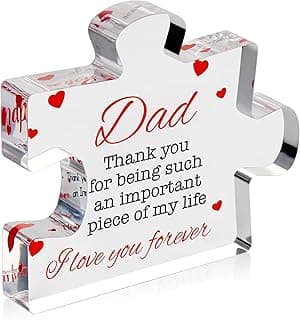
Why Parent Surprises Hit Different
Parents spend decades in giving mode. They sacrifice sleep, money, time, and personal ambitions—usually without acknowledgment. Somewhere along the way, they stopped being the recipients of thoughtful gestures and became the permanent providers of them.
A well-executed surprise disrupts that pattern. It says: your role isn't just to give. You deserve to receive.
That reversal carries emotional weight no material gift can match. The surprise itself matters less than what it represents—you seeing them as people worth delighting, not just parents fulfilling a function.
"They've spent years making sure you felt special. Your surprise tells them the effort landed."
Know What You're Working With
Before planning anything, assess the landscape.
Do they like surprises? Some parents genuinely don't. They feel ambushed, not celebrated. Anxiety spikes instead of joy. If that's your parents, modify the approach—build anticipation instead of shock.
Are they together or separate? Married parents can receive shared surprises. Divorced parents need individual consideration. Don't force awkward dynamics for the sake of convenience.
What's their current season? Recently retired? Still working long hours? Dealing with health issues? Empty nesters adjusting to quiet? Grandparents absorbed in grandchildren? The best surprise fits their life right now.
What do they actually enjoy? Not what they enjoyed twenty years ago. Not what you wish they enjoyed. What genuinely lights them up today.
This intelligence-gathering happens through observation over time, not interrogation the week before. Pay attention to what they mention wanting, complain about lacking, or reminisce about missing.
Surprise Categories That Work
Different parents respond to different surprise types. Match the approach to who they actually are.
The Togetherness Surprise
Bringing family together unexpectedly. This works for parents who value relationships above experiences or objects.
Options:
- Siblings arriving unannounced from different cities
- A family dinner where everyone actually shows up—no excuses
- Grandchildren appearing when parents thought they wouldn't see them for months
- A reunion with old friends they've lost touch with
- Video call where faces keep appearing: extended family, childhood friends, old neighbors
Execution requires coordination. Create a secret group chat. Confirm attendance multiple times. Have backup plans for cancellations. The emotional payoff justifies the logistical headache.
For parents who cherish relationships, anniversary gift ideas for couples often focus on shared experiences that reinforce connection.
The Experience Surprise
Taking them somewhere or doing something they wouldn't arrange themselves. This works for parents who've sacrificed their own adventures for family obligations.
Options:
- Weekend getaway with everything handled—transportation, lodging, activities
- Concert or show for an artist they loved decades ago
- Cooking class, wine tasting, or workshop aligned with their interests
- Day trip to somewhere meaningful—where they met, honeymooned, or always mentioned visiting
- Hot air balloon, scenic train, or unique experience they'd never book themselves
Critical: you handle every detail. They shouldn't lift a mental finger. Reservations, packing lists (or you pack for them), timing, contingencies—all you.
The Burden-Lifting Surprise
Removing something stressful from their lives. This works for parents who won't ask for help but clearly need it.
Options:
- Organizing the garage they've complained about for years
- Hiring cleaners, landscapers, or maintenance help for a month
- Completing a project they've started but never finished
- Handling the task they dread: taxes, paperwork, digital organization
- Meal prep filling their freezer for weeks
Present it as a gift, not an intervention. "I wanted to give you your weekends back" lands better than "I noticed you're overwhelmed."
The Memory Surprise
Honoring their journey together. This works for parents approaching milestones or in reflective life phases.
Options:
- Photo book documenting their relationship from dating to now
- Video compilation with messages from people who've known them at different stages
- Recreating their first date, proposal location, or wedding day elements
- Framed timeline of their family's major moments
- Letters from each child detailing specific memories and gratitude
This category requires lead time. You can't compile meaningful content the night before. Start early, gather contributions from others, and curate thoughtfully.
"Parents approaching retirement or major anniversaries often crave recognition that their years together mattered."
The "Finally" Surprise
Giving them something they've wanted but never prioritized. This works for parents who've perpetually delayed their own desires.
Options:
- That trip they've talked about for decades—booked and scheduled
- The hobby equipment they've researched but never purchased
- Home improvement they've wanted but kept postponing
- Technology they're curious about but felt was "too much" for them
- The experience they've said was "for someday"—making someday today
This requires listening over time. What have they mentioned repeatedly? What appears on lists that never get checked off? What have they sacrificed so others could have more?
Surprise Occasions That Make Sense
Timing affects impact. Some moments amplify surprises naturally.
Anniversary: Especially milestone ones. Anniversary gift ideas often work as surprise frameworks.
Retirement: Massive life transition deserving recognition. Retirement celebrations mark endings and beginnings simultaneously.
Combined birthdays: If their birthdays fall close together, one surprise celebrating both can carry more weight than two separate small gestures.
Random Tuesday: No occasion at all. This often surprises more than expected moments because they have zero anticipation. "I just wanted you to know I was thinking about you" hits differently mid-March than on scheduled celebration days.
After hardship: Illness, loss, difficult seasons—surprises acknowledging they've endured something show you noticed their struggle.
Coordinating With Siblings
If you have siblings, decide early: solo effort or group project?
Group advantages: Bigger budget, more impact, shared labor, parents see kids working together.
Group disadvantages: Coordination nightmare, conflicting ideas, someone always flakes, credit gets distributed.
If going group:
- One person leads. Not a committee—a coordinator with decision-making authority.
- Assign specific roles: logistics, communication, purchases, day-of execution.
- Set clear deadlines with consequences.
- Handle money upfront. Apps like Splitwise prevent awkwardness later.
- Build in redundancy. If one sibling fails their piece, the surprise shouldn't collapse.
If going solo, you don't need permission. Just do it. Inform siblings it's happening so they don't accidentally spoil it, but don't wait for consensus that may never come.
The Misdirection Game
Parents are hard to surprise because they've been watching you for decades. You need a cover story.
Effective misdirections:
- The fake plan: "We're doing a small dinner for your anniversary." They expect exactly that. You deliver more.
- The scheduling conflict: "I can't make it this weekend—work is crazy." They lower expectations. You appear anyway.
- The distraction accomplice: One person occupies them while others prepare. Dad takes Mom to lunch while siblings set up at the house.
- The decoy gift: Give something small beforehand. They think that's it. The real surprise comes later.
Commit to your cover story. Half-hearted deception gets detected. If you say you're busy, act busy—don't smile mysteriously when they mention birthday plans.
Budget Realities
Money matters. Here's what actually works at different levels.
Minimal budget ($0-50):
- Letters from each family member with specific memories
- Homemade meal served with intention
- Day of complete service—you handle everything they'd normally do
- Photo compilation with notes explaining each one
- Your presence, fully focused, for an entire afternoon
Moderate budget ($50-200):
- Nice dinner out with the whole family attending
- Experience gift: concert, class, day trip
- Professional photographs or videography
- Quality gift they've wanted but wouldn't buy
Larger budget ($200+):
- Travel experiences—weekend getaway or bigger
- Major home improvement or service
- Significant milestone celebration event
- Technology or equipment for their interests
Effort substitutes for budget when applied generously. A weekend of your focused labor organizing their basement beats a gift card they didn't want.
Physical Gifts Within Surprises
A surprise can include a gift, but the surprise IS the main event. The gift supports—it doesn't replace.
For parents, gifts work best when they:
- Connect to shared experiences or memories
- Upgrade something they use but wouldn't replace themselves
- Enable future enjoyment together
- Remove daily friction from their lives
For gift direction, gifts for mothers and what dads actually want offer specific perspectives. But remember: the gift is punctuation, not the sentence.
"The unwrapping takes thirty seconds. The memory of who gathered to watch—that lasts."
Long-Distance Surprises
Physical distance doesn't prevent meaningful surprises. It just changes the format.
Arrival surprises: Showing up unannounced when they think you're 500 miles away. Coordinate with someone local to confirm they'll be home.
Synchronized delivery: Arrange flowers, food, or gifts to arrive at a specific moment. Be on video call when the doorbell rings. Watch their reaction live.
Virtual gathering: Organize a group video call they don't expect. They think they're calling you—suddenly multiple faces appear.
Scheduled message sequences: Texts arriving throughout their special day, each with a different memory or thank you.
Experience delivered: Book them a local experience—dinner at a nice restaurant, spa day, activity—and reveal it during a call.
The key: be present digitally when the surprise lands. Sending a package without witnessing their reaction loses half the impact.
Common Mistakes to Avoid
Learn from failures that came before you.
Involving someone who can't keep secrets. Every family has one. Exclude them from planning or tell them last, with minimal details.
Overcomplicating execution. More moving parts mean more failure points. Simple plans executed well beat elaborate plans that collapse.
Making it about your stress. They don't need to hear about the coordination headaches, the family drama, or what almost went wrong. The surprise is for them. Your behind-the-scenes story stays there.
Ignoring their actual preferences. An introverted dad doesn't want a surprise party. A mom who hates travel won't love a spontaneous trip. Know who they are.
Photographing instead of participating. Capture a few moments, then be present. Your documentation shouldn't overshadow your engagement.
Forcing siblings who won't cooperate. If family dynamics are toxic, don't pretend otherwise for a surprise. Do what you can with who's willing.
After the Reveal
The surprise moment passes quickly. What follows matters too.
Stay present. Don't immediately transition to logistics or next steps. Let the moment breathe.
Let them react naturally. Some parents cry. Some go quiet. Some laugh nervously. Some need a minute. Don't fill silence with chatter or demand visible gratitude.
Document lightly. A few photos or a short video, then put devices away.
Follow through. If the surprise involves future plans, make them happen. If it involved commitments, keep them. Empty promises after a beautiful moment undo the impact.
Extend the feeling. A text the next day—"I loved seeing you so happy"—keeps warmth alive without demanding more from them.
When They Say "Don't Do Anything"
They'll say this. They almost always do. It means different things for different parents.
For martyrdom-prone parents: They want something but feel guilty wanting it. Ignore the words. Do something thoughtful anyway.
For genuinely simple parents: They mean it—grand gestures overwhelm them. Scale down to intimate, low-key surprises they won't feel obligated to match.
For exhausted parents: They can't handle one more thing requiring their emotional energy. Give them rest—a surprise that removes obligations rather than adding experiences.
Knowing which category your parents fall into requires years of pattern recognition. Trust your instincts about what they need versus what they say.
The Deeper Point
Your parents have probably reached an age where they've stopped expecting to be surprised. Celebrations feel obligatory. Gifts feel performative. They've settled into the role of supporting cast in everyone else's story.
A genuine surprise recenters them. It says: you're still the main character sometimes. Your joy still matters. We still think about what would delight you—not just what would satisfy obligation.
That message transcends whatever you actually do. The experience, the gift, the gathering—these are just vehicles. What you're really delivering is proof that they're worth the effort of planning, coordinating, and executing something just for them.
That's the surprise they'll remember. Not what you did—that you did.
Gifts are for making an impression, not just for the sake of it.
GiftsPick – Meticulous, Kind, Objective.