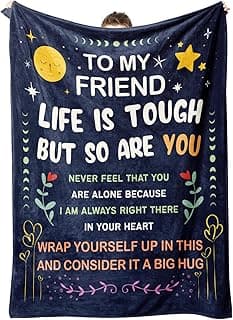
Step One: Define the Relationship
Before considering products, clarify the context. Different relationships require different approaches.
Romantic Partners
You have intimate knowledge. The gift should prove it.
Expectations:
- Evidence of paying attention over time
- Romantic gesture appropriate to relationship stage
- Proof you know her specifically, not generically
- Quality matching relationship significance
For romantic gift ideas, the advantage is intimate access—use it through specific, personal choices.
Family Members
You have history, shared memories, and often assumed knowledge.
Mothers:
- Recognition beyond her role as "mom"
- Acknowledgment of who she is as a person
- Quality time often valued over objects
- Comfort and care as she ages
For gifts for mothers, the emotional component often matters more than the material one.
Grandmothers:
- Comfort and practical items often appreciated
- Connection to family as priority
- Experiences and time together valued highly
- Sentimental done thoughtfully, not overwhelmingly
Sisters/Daughters:
- Gifts reflecting genuine knowledge of her interests
- Support for her current life stage
- Quality items she might not buy herself
Friends
You know her personality without intimate domestic knowledge.
Expectations:
- Items reflecting shared interests or history
- Experiences you might share together
- Inside jokes or references appropriately incorporated
- Price point matching the friendship's gift-giving norms
Colleagues and Professional Relationships
Boundaries apply. Personal knowledge is limited.
Expectations:
- Professional appropriateness
- Nothing too personal or intimate
- Quality consumables often safest
- Price matching workplace gift-giving culture
Acquaintances
Minimal personal knowledge requires safer choices.
Expectations:
- Universally appreciated items
- Nothing requiring specific taste knowledge
- Consumables, gift cards, or neutral options
"The relationship determines the boundaries. What's perfect for a girlfriend is inappropriate for a colleague. What's meaningful for a mother might miss for a friend."
Step Two: Assess What You Know
Gift quality correlates with knowledge applied. Inventory what you actually know about her.
High-Knowledge Situations
You can confidently choose specific items when you know:
- Her specific preferences and taste
- What she's mentioned wanting
- What she uses daily that could be upgraded
- Her hobbies, interests, and passions
- Her style (colours, aesthetic, brands she likes)
With high knowledge, specific personalized gifts succeed.
Low-Knowledge Situations
Choose safer categories when you don't know:
- Her specific taste in clothing, jewellery, or décor
- Her scent preferences
- Her sizes
- Her existing collection in any category
With low knowledge, safer categories like quality consumables or experiences reduce risk.
Building Knowledge
If you want to give better gifts in the future:
- Listen when she mentions wanting things
- Observe what she uses, wears, and gravitates toward
- Ask people who know her better
- Check her social media saves and wishlists
Step Three: Match Category to Context
Different situations call for different gift types.
Experience Gifts
When experiences work best:
- She values memories over possessions
- She already has plenty of material things
- The relationship supports shared experiences
- You can handle logistics completely
Experience options:
- Meals at restaurants she'd enjoy
- Cultural events: theatre, concerts, exhibitions
- Classes or workshops in her interests
- Spa and wellness appointments (booked, not gift cards)
- Travel or getaway experiences
When planning experience surprises, handling all logistics transforms intention into impact.
Quality Objects
When physical gifts work best:
- You know her specific preferences
- She'll genuinely use or appreciate the item
- Quality represents the relationship's significance
- The item fills a genuine need or desire
Quality object options:
- Comfort shoes she'd never buy herself
- Premium versions of daily-use items
- Quality wallet, bag, or accessory
- Cashmere, silk, or premium materials she wouldn't purchase
- Technology she'd use and appreciate
Consumables
When consumables work best:
- You don't know her specific object preferences
- She's actively reducing possessions
- The relationship doesn't support more personal gifts
- Safe option for professional contexts
Consumable options:
- Quality food: chocolates, baked goods, specialty items
- Premium beverages: wine, coffee, tea
- Fresh flowers (single delivery or subscription)
- Specialty items from places meaningful to her
Services
When services work best:
- She's busy or overwhelmed
- She'd benefit from burden reduction
- You know what responsibilities weigh on her
- The relationship supports this kind of care
Service options:
- Cleaning service
- Meal delivery
- Spa appointments
- Professional services reducing her load
For women who need to relax, services often outperform products because they create time and space rather than adding objects.
Subscriptions
When subscriptions work best:
- You want to extend thoughtfulness across months
- She'd enjoy regular deliveries in a category she likes
- The subscription matches her actual interests
Subscription options:
- Curated subscription boxes in her interest areas
- Streaming or entertainment services
- Monthly flower delivery
- Coffee, wine, or specialty food clubs
"The category should match what you know about her and what the relationship supports. Generic choices signal generic attention."
Universal Principles That Work
Regardless of relationship type, certain principles consistently create positive gift experiences.
Evidence of Listening
Referencing something she mentioned—especially something she's forgotten mentioning—creates disproportionate impact. The gift proves you were paying attention when you didn't have to be.
This works for:
- Partners (remembering conversations from months ago)
- Mothers (noting what she's complained about needing)
- Friends (recalling interests she's mentioned)
Quality Over Quantity
One excellent item beats several adequate ones. This principle holds across:
- Every age group
- Every relationship type
- Every price point
Better to give one quality thing than a collection of mediocre items.
Effort Made Visible
The thought behind the gift matters more than the gift itself. Effort can be visible through:
- Choosing something requiring specific knowledge
- Handling logistics she'd otherwise manage
- Creating something by hand
- Finding something rare or specific to her
No Obligation Attached
Gifts with strings attached create discomfort. The gift should be:
- Fully given, not leveraged for future benefit
- Free from expectation of reciprocity
- Not requiring her to perform gratitude
Appropriate to Relationship
Scale, intimacy, and type should match the relationship:
- Not too much too soon (new relationships)
- Not too little for significant relationships
- Not too personal for professional contexts
- Not too distant for intimate relationships
Common Mistakes to Avoid
Certain approaches consistently fail across different relationships.
Gifts suggesting improvement. Exercise equipment she didn't request. Self-help books. Diet-related items. These feel like criticism regardless of relationship.
Generic "female" gifts. Bath bombs, candles, and spa baskets have become so default they often signal "I didn't know what to get." Unless she specifically loves these, they read as obligatory.
Gifts primarily serving you. Items you'd enjoy her having. Tickets to events you want to attend. Gifts should be for her benefit, not yours.
Last-minute panic. She can tell. Rushed gifts demonstrate obligation rather than thought.
Wrong level of intimacy. Too personal for professional relationships. Too impersonal for intimate ones. Match the gift's intimacy to the relationship's intimacy.
Ignoring her stated preferences. If she's said she doesn't want more stuff, don't give stuff. If she's mentioned specific dislikes, avoid them.
"Every failed gift teaches what not to do. The woman who received improvement suggestions, generic defaults, or obvious panic purchases remembers—and evaluates future gifts against those experiences."
Budget Guidance
Price should match relationship significance and context.
Under $25
Appropriate for: acquaintances, some colleagues, casual friend exchanges.
- Quality small consumables
- Single nice item in affordable category
- Thoughtful card with genuine content
- Your time (planned activity, help with something)
$25-75
Appropriate for: friends, colleagues, extended family.
- Nice meal together
- Quality item in mid-range categories
- Several months of subscription
- Single service session
$75-200
Appropriate for: close family, significant friends, established romantic relationships.
- Quality experience together
- Premium item in category she values
- Extended subscription
- Multiple service sessions
$200+
Appropriate for: significant relationships—partners, mothers, very close family.
- Significant experience or travel
- Investment-quality items
- Comprehensive gift packages
- Major service subscriptions
Budget should reflect your financial reality, not what you feel pressured to spend. A genuine $30 gift beats an anxiety-inducing $150 one.
Gifts by Life Stage
What resonates shifts across life stages, regardless of relationship type.
Younger Women (20s)
Often building lives, establishing identities, exploring possibilities.
What tends to work:
- Experiences expanding her world
- Quality items that grow with her
- Support for interests she's developing
- Fun, enjoyable gifts without excessive weight
Women in Middle Years (30s-50s)
Often balancing multiple responsibilities, established preferences, limited time.
What tends to work:
- Quality over quantity across categories
- Time-saving services
- Self-care she won't arrange herself
- Upgraded versions of daily items
For women in their 40s specifically, generic no longer works—personalization matters enormously.
Older Women (60s+)
Often focused on comfort, connection, and meaning. May be actively simplifying.
What tends to work:
- Experiences over objects
- Comfort and wellness items
- Connection to family
- Services reducing burden
- Quality time together
For older women, understanding the shift from accumulation to curation changes everything.
Safe Options When Uncertain
When you genuinely don't know what to get:
Almost Always Safe
- Fresh flowers: Universally appreciated, no storage required
- Quality chocolates or food: Enjoyed and gone
- Nice meal together: Experience with your company
- Gift card to place she frequents: She chooses, you fund
Safe With Minimal Knowledge
- Quality candle in neutral scent: If you know she likes candles generally
- Premium hand cream or lip balm: Practical, consumable
- Nice notebook or journal: If she writes or lists
When in Doubt
Ask directly: "I want to get you something you'll actually love. What would that be?"
Or ask someone who knows her better. Friends, family, and colleagues often have intelligence you lack.
Presentation and Execution
How you give affects what she receives.
Wrapping
Presentation signals effort. Doesn't need to be professional—needs to be intentional.
Timing
Rushed handoffs feel different from moments with time to appreciate. Create space for the giving.
Context
"Here's your gift" differs from "I got this because I remembered you mentioned..." The explanation is part of the gift.
Presence
Be there—actually there—when she opens it. Phone away. Attention focused.
The Core Truth
What to gift to a female?
The question is intentionally broad. The answer must be specific—to her, to your relationship, to what you know, to what's appropriate in context.
No universal product list answers this question. What answers it: understanding who she is, what the relationship supports, what effort communicates, and how to translate knowledge into choice.
The gift itself is just the vehicle. What she's really receiving is evidence of how well she's known, how much she matters, and how much thought you were willing to invest.
Get that right, and the specific gift almost doesn't matter. Get it wrong, and the most expensive item still falls flat.
Know her. Choose accordingly. That's the only framework that works.
Gifts are for making an impression, not just for the sake of it.
GiftsPick – Meticulous, Kind, Objective.