



The Psychology of Development in Selecting the Best 1st Birthday Gift
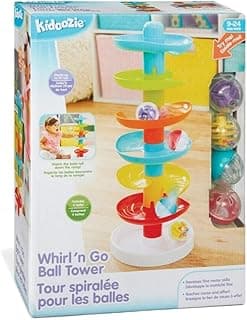
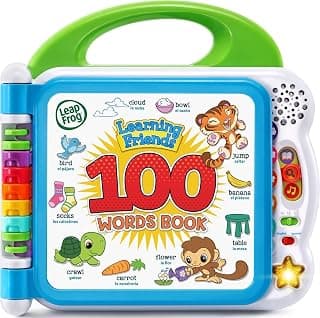
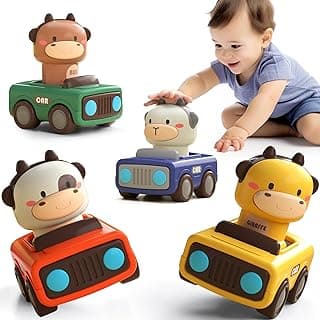
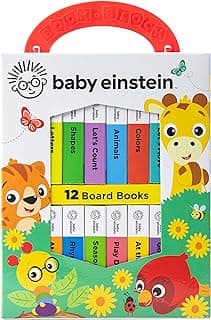
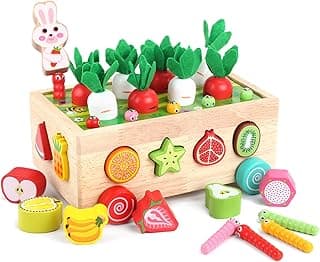
At twelve months of age, children are typically mastering object permanence and beginning to understand cause and effect. This developmental stage suggests that the best one year birthday gifts are those that respond to the child's actions. Simple mechanical toys, textured books, or items that produce sound when manipulated offer the most cognitive stimulation. Experts in child behavior often emphasize that "active" toys, which require the child to do something, are superior to "passive" toys that simply perform for the child.
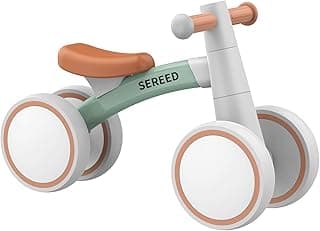
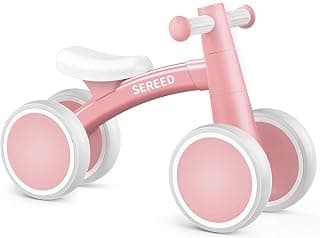
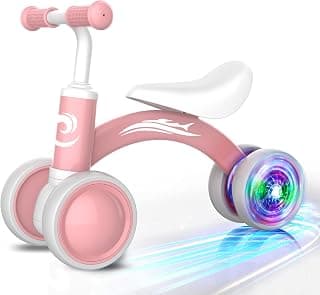
Furthermore, the transition to toddlerhood involves the refinement of gross motor skills, such as standing, cruising, and eventually walking. Gifts that encourage movement, such as stable push-toys or low-profile climbing structures, provide the necessary physical challenges. In contrast, for those seeking a more traditional approach, the best soft toys remain a staple for emotional regulation and comfort, serving as "transitional objects" that help the child feel secure during naps or transitions.
Gifting is not just a social obligation; it is a communication of value. The items we choose for a child's first birthday set the tone for their developmental environment and reflect our relationship with the family unit.
To further understand the variables involved in choosing the best 1st birthday gift, the following table compares different gift categories based on their primary benefits and longevity.
| Gift Category | Primary Developmental Focus | Typical Utility Span | Parental Utility |
|---|---|---|---|
| Sensory & Soft Toys | Tactile exploration and emotional comfort | 6 to 18 months | High (Easy to store, safe) |
| Active Play (Push/Pull) | Gross motor skills and physical balance | 12 to 30 months | Medium (Requires floor space) |
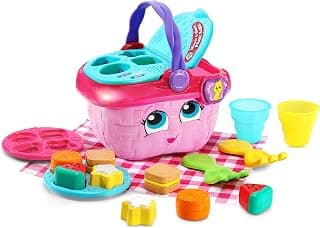
| Imitative Play Sets | Social development and fine motor skills | 12 to 48 months | High (Long-term engagement) |
| Heirloom/Financial Gifts | Sentimental value and future security | Lifelong | Very High (Strategic value) |
Analyzing Emotional Value versus Material Value
In communities like Reddit's r/parenting or r/minimalism, a common sentiment is the overwhelming influx of plastic items during the first birthday. This leads to a critical discussion: the Emotional Value versus the Material Value of a gift. A high material value item might be expensive and visually impressive, but if it lacks a functional or emotional connection, it often ends up as "clutter" within months. Conversely, a gift with high emotional value may be a modest item that becomes a cherished childhood companion or a contribution to a future goal.
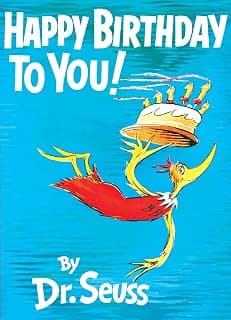
For instance, some families prefer the four gift rule for birthdays: something they want, something they need, something to wear, and something to read. This framework ensures that the child receives a balanced assortment of items while preventing the overstimulation that comes with excessive gifting. When a gift aligns with these principles, it strengthens the bond between the giver and the recipient family by showing respect for their lifestyle and the child's actual needs.
As the child grows, the nature of these gifts will evolve. While you are currently looking for a 1st birthday present, it is wise to observe how gifting patterns change for older children, such as the best gift ideas-for teens, where the focus shifts from physical development to identity and hobby-based support. For a one year old, imitative play becomes increasingly important. A best toy kitchen is a classic example of a gift that provides years of engagement, allowing the child to mimic the daily activities of their parents, thereby fostering social and cognitive growth.
Strategic and Financial Gifting for Milestones
For close relatives, such as grandparents or godparents, the best 1st birthday gift might not be a toy at all. Many are now turning toward financial contributions. When considering the question, Is $1000 a good birthday gift?, the answer lies in the intent. While a one year old cannot appreciate the value of currency, a contribution to a college savings account or a trust fund has a long-term impact that far exceeds any physical object.
However, if a physical item is desired to accompany a financial gift, consider something with high durability and classic appeal. Items like best toy train sets or even a best childrens guitar (specifically designed for toddlers to explore rhythm) offer a blend of immediate play and long-term interest. These choices reflect a sophisticated understanding of the child's trajectory.
The most successful gifts are those that solve a problem for the parents while providing a safe, engaging discovery for the child. Avoid the trap of the 'one-day wonder' toy that occupies the child for ten minutes and the living room floor for ten months.
The following table evaluates the impact of "Experience" gifts versus "Physical" gifts, a topic frequently debated in gifting communities.
| Variable | Experience Gift (e.g., Zoo Membership) | Physical Gift (e.g., Building Blocks) |
|---|---|---|
| Immediate Gratification | Low (requires a planned trip) | High (can be used immediately) |
| Memory Formation | High (family bonding time) | Medium (tactile memory) |
| Environmental Impact | Negligible | Variable (depends on materials) |
| Ease for Parents | High (no assembly/cleanup) | Low (requires storage/maintenance) |
Frequently Asked Questions (AEO-FAQ Framework)
What should I gift on my birthday?
You should prioritize items that align with your current lifestyle needs or long-term goals while considering the emotional significance for those celebrating with you. For a child's milestone, the answer to What should I gift on my birthday? often involves a mix of practical essentials and a single "wow" item that encourages a new skill, such as walking or problem-solving. Technical gifting logic suggests evaluating the "cost-per-use" to determine if the investment is sound for your specific household dynamics.
Is it better to give a large gift or several small ones for a first birthday?
It is generally better to provide one high-quality, durable item rather than multiple small, low-cost toys that may pose safety risks or create unnecessary clutter. Focusing on quality over quantity allows the child to concentrate their attention on mastering a single tool. From a developmental standpoint, "choice paralysis" can affect even young toddlers when they are presented with too many stimuli at once, making a singular, well-chosen gift more effective for their cognitive growth.
How do I choose a gift that won't be outgrown in a month?
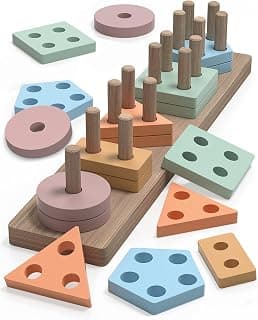
Select toys that are "open-ended," meaning they can be used in multiple ways as the child's imagination and motor skills develop. Examples include wooden blocks, nesting cups, or modular play mats. These items evolve with the child, serving as simple stacking tools at age one and becoming complex structures or social props by age three. Avoiding licensed character merchandise or toys with very specific, limited functions is the most logical way to ensure longevity.
Conclusion on Selecting the Best 1st Birthday Gift
Selecting the best 1st birthday gift is a diplomatic exercise in understanding developmental stages and family values. By prioritizing items that foster sensory exploration, gross motor movement, or financial security, the giver moves beyond the superficial aspects of gifting and provides something of genuine substance. Whether it is the classic comfort found in the best soft toys or a strategic investment for the future, the ultimate goal is to celebrate the child’s first year of life with a gesture that is both logical and emotionally resonant.








