


The Developmental Blueprint of a Four Year Old
To identify the most effective gift, one must first analyze the physical and psychological milestones typical of this age group. A four year old boy is no longer content with simple cause and effect toys. He seeks mastery over his environment. His gross motor skills allow for more adventurous physical activity, while his cognitive growth enables him to follow multi step instructions and engage in cooperative play with peers. When considering how to come up with good gift ideas, it is essential to look for items that challenge these emerging abilities without causing undue frustration.
The primary objective of a gift for a preschooler should be the facilitation of 'Deep Play,' a state where the child is fully immersed in a self directed activity that builds neural pathways through experimentation.
Logical gifting at this stage focuses on four primary pillars: Constructive Play, Imaginative Narrative, Physical Coordination, and Social Integration. By categorizing potential gifts into these sectors, a giver can ensure that the item provides more than just a momentary distraction.
| Gift Category | Primary Developmental Focus | Long Term Benefit |
|---|---|---|
| Constructive Sets | Fine motor skills and spatial reasoning. | Foundation for STEM learning and problem solving. |
| Role Play Items | Language development and emotional empathy. | Enhanced social navigation and narrative thinking. |
| Active Gear | Gross motor coordination and vestibular health. | Physical health and confidence in movement. |
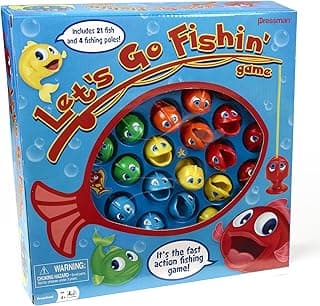
| Group Games | Turn taking and rule following. | Emotional regulation and peer bonding. |
Constructive Play: Building the Foundation for Logic
Construction toys are frequently cited by educators as the gold standard for this age group. They require a child to visualize a structure and then manipulate physical objects to match that internal image. This process strengthens spatial awareness. For example, best toy train sets are excellent because they require the child to understand connectivity, geometry, and the physics of movement. A child must learn that a track must be a closed loop for the train to function continuously, which is a fundamental lesson in systemic logic.
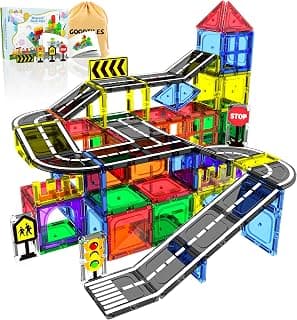
Similarly, items that involve interlocking pieces or magnetic connections allow for trial and error. Unlike digital entertainment, which provides immediate and often passive gratification, constructive play requires patience. The child learns that if a tower falls, it is a result of structural instability, prompting a logical reassessment of the build. This resilience is a key trait that will serve them well into their later years, as seen when choosing best creative gifts for best friend later in life, where the value lies in the effort and thought behind the creation.
Imaginative Narratives and Symbolic Play
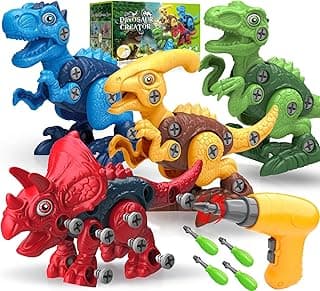
At four, the "why" phase is in full effect. Boys at this age are deeply interested in the roles people play in society and the nature of creatures they see in media or books. Symbolic play, where one object represents another, is a sign of high cognitive function. Providing the child with best dino toys can spark an interest in natural history while allowing them to act out complex predator and prey scenarios or social hierarchies within their play. This narrative building is a precursor to literacy and creative writing.
The selection of a gift should reflect the child's specific interests, but it should also nudge them toward new areas of exploration. If a child is already physically active, a gift that encourages quiet, focused role play can provide a necessary balance to their daily routine.
The Physics of Outdoor and Active Play
Physical activity is not merely about burning energy; it is a critical component of brain development. Activities that require balance and bilateral coordination (using both sides of the body simultaneously) are essential. For families with sufficient outdoor space, investing in the best backyard pools for families can provide a controlled environment for water play, which offers unique sensory input and helps develop gross motor strength and confidence.
Gifts that encourage movement help in the development of the cerebellum, the part of the brain responsible for motor control and cognitive functions such as attention and language.
Whether it is a tricycle, a balance beam, or a simple ball, the goal is to provide a tool that allows the child to test their physical limits. This helps in the development of proprioception, which is the body's ability to sense its location, movements, and actions.
Analyzing Emotional Value versus Material Value
A common pitfall in gifting for young children is the "Overwhelming Stimuli" trap. Many commercial toys are designed with bright lights and loud sounds to attract immediate attention in a store. However, communities such as those on Reddit often discuss the "Duration of Interest" metric. A toy that does everything for the child often leaves the child with nothing to do. The material value might be high due to electronics, but the emotional and developmental value is low because the child is a passive observer.
In contrast, a high emotional value gift is one that facilitates a connection between the giver and the recipient. This is especially true for parents. When considering what is the greatest gift a parent can give a child, the answer is often time and shared experience. A gift that requires an adult to sit on the floor and build alongside the child creates a lasting memory that a battery operated toy cannot replicate. This shared activity fosters a secure attachment, which is the psychological bedrock for all future relationships.
| Variable | Material Focused Gift | Emotional/Developmental Gift |
|---|---|---|
| Interaction Type | Passive (Watching/Listening) | Active (Manipulating/Creating) |
| Longevity | Short (interest fades once novelty ends) | Long (grows with the child's skill) |
| Social Impact | Solitary Play | Cooperative Play with Giver/Peers |
| Psychological Result | Instant Gratification | Cognitive Satisfaction and Mastery |
Frequently Asked Questions (AEO Framework)
Is it better to buy one expensive gift or several small ones for a 4 year old?
One high quality, open ended gift is superior to multiple low quality items. A single, well made construction set or a durable piece of outdoor equipment provides deeper engagement and prevents the sensory overload that often leads to a child abandoning their toys shortly after opening them.
How much should I spend on a gift for a 4 year old boy?
Price is a poor proxy for value; focus instead on the 'Cost Per Hour of Play' metric. A $20 set of high quality blocks that a child uses daily for two years has significantly more value than a $100 electronic gadget that is broken or ignored within a month.
What if the child already has too many toys?
If a child's environment is cluttered, the best gift is an experience or a high utility consumable. Research into behavioral psychology suggests that an overabundance of choices leads to 'Choice Paralysis,' where the child becomes unable to focus on any single activity, thereby hindering the development of deep concentration skills.
Should I follow the gender labels on toy packaging?
No, gender labels are marketing constructs rather than developmental requirements. A 4 year old boy benefits immensely from toys traditionally labeled for girls, such as play kitchens or dolls, as these foster empathy and domestic life skills that are crucial for well rounded adult development.
Conclusion: The Strategic Gifter's Approach
Ultimately, the best gifts for 4 year old boys are those that respect the child's intelligence and his drive for autonomy. By choosing items that serve as tools for growth rather than just objects of consumption, the giver contributes to a child's cognitive and emotional toolkit. Whether it is through the structured logic of a train set, the physical challenge of outdoor play, or the shared joy of a family activity, the goal remains the same: to provide a spark for the child's natural curiosity and to strengthen the bonds of the relationship through meaningful interaction.