





The Psychology of Gifting: Why Utility Matters More Than Novelty
Research into the psychology of gifting suggests a significant gap between what givers think recipients want and what recipients actually value. Givers often prioritize the "wow factor" or the surprise at the moment of opening, whereas recipients—particularly expecting parents—prioritize long-term utility and the reduction of cognitive load. When parents are navigating the sleep-deprived initial months of infancy, a gift that solves a practical problem is viewed with far more gratitude than a decorative item that requires maintenance.
For those looking to provide the best first time mother gifts, it is critical to focus on the biological and logistical shifts occurring in the household. The transition involves a sharp increase in daily chores and a decrease in personal time. Therefore, gifts that facilitate efficiency are statistically more likely to be appreciated over the long term. This is why many experienced parents on forums such as Reddit often suggest practical items that manage the environment of the home.
The primary objective of a baby shower gift should be the mitigation of stress for the parents, rather than the aesthetic appeal of the nursery.
Evaluating Material Value versus Emotional Value
A frequent debate in gifting communities centers on whether to adhere strictly to a registry or to provide a "heartfelt" alternative. While a registry reflects the parents' identified needs, an off-registry gift can offer emotional support that the parents may not yet realize they require. Balancing these two variables requires a structured approach.
| Gifting Strategy | Material Impact | Emotional impact |
|---|---|---|
| Registry Compliance | High: Ensures the parents receive exactly what they need for the infant's immediate care. | Low to Moderate: Demonstrates respect for the parents' planning and organizational efforts. |
| Support-Based Gifting | Moderate: Focuses on services or items for the parents' recovery and mental health. | High: Signals deep empathy and an understanding of the challenges of the postpartum period. |
| Developmental Gifting | High: Provides items that the infant will use in later stages, such as educational tools. | Moderate: Shows a commitment to the child's future and long-term growth. |
When considering the best gifts for expecting parents, one must acknowledge that the "material" needs are often covered by traditional registry items like diapers or strollers. However, the emotional value is often found in gifts that acknowledge the parents' humanity, not just their new roles. This includes items that facilitate self-care or simplify household management, allowing them to focus on the bonding process.
Reducing Household Friction: The Utility of Cleanliness
One of the most overlooked aspects of the postpartum period is the maintenance of a sanitary environment. With the arrival of a newborn, the frequency of cleaning increases while the capacity of the parents to perform these tasks decreases. Analytical data from domestic studies indicates that a clean home environment significantly reduces the cortisol levels of new mothers.
In this context, a gift like the best affordable vacuum can be a profound gesture of support. It addresses a recurring physical labor requirement, allowing parents to maintain hygiene standards without excessive exertion. Similarly, high-quality best cleaning cloths can reduce the time spent on daily spills and maintenance. These items may lack the traditional "cuteness" associated with baby showers, but their contribution to the family's overall well-being is undeniable.
Long-Term Perspective: Gifting Beyond the Newborn Phase
Many shower guests focus exclusively on the "zero to three months" window. However, infants outgrow clothing and sensory toys within weeks. A strategic gift giver looks toward the future. Providing items that will be relevant months down the line ensures that your contribution remains useful long after the initial influx of gifts has been exhausted.
For example, preparing the parents for the first milestone by considering the best one year birthday gifts in advance can be highly practical. This might include larger-sized clothing, advanced developmental toys, or even contribution to a college savings fund. By looking ahead, you help the parents avoid the financial "cliff" that often occurs when the initial support of the baby shower fades away.
True generosity is measured by the duration of the benefit provided to the recipient, not the size of the box at the party.
Practical Alternatives: What to Send instead of Flowers
While flowers are a traditional gesture of celebration, they are biologically demanding. They require trimming, water changes, and eventual disposal, all of which represent additional tasks for a busy household. When analyzing what to send new parents instead of flowers, the logical choice is always a gift that provides a service or a lasting benefit.
Food delivery vouchers, professional cleaning services, or even high-quality frozen meals offer immediate relief. These gifts represent a transfer of labor from the parents to the community, which is the historical essence of a baby shower. The emotional resonance of a warm meal or a clean kitchen often far outweighs the temporary aesthetic of a floral arrangement.
Frequently Asked Questions (FAQ)
What is considered the most useful baby shower gift?
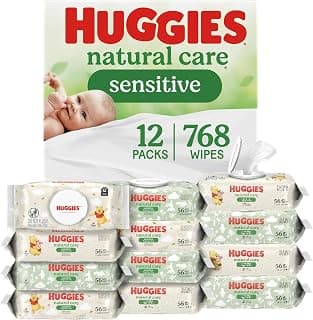
Practical items that reduce recurring costs or labor, such as diapers, wipes, or cleaning technology, are consistently rated as the most useful gifts by parents. These items address the immediate, high-volume needs of a newborn household and provide direct financial relief. While less glamorous than ornamental gifts, they provide essential support for the family's daily operations.
Is it appropriate to buy a gift that is for the parents rather than the baby?
Yes, gifting to the parents is highly appropriate as it acknowledges the physical and mental toll of the transition into parenthood. Items that support postpartum recovery, mental health, or domestic efficiency are often more valued than redundant baby gear. This approach recognizes that a healthy and well-supported parent is the greatest gift a parent can give a child, as it directly impacts the quality of care the infant receives.
How much should one spend on a baby shower gift?
The appropriate expenditure typically ranges from fifty to one hundred dollars, though this should be adjusted based on the closeness of the relationship and your personal financial situation. It is important to remember that the utility and thoughtfulness of the gift often supersede its price tag. A well-chosen practical item that costs less can have a greater impact than an expensive but unnecessary luxury item.
Should I stick to the baby registry?
Yes, adhering to the registry is the most reliable way to ensure your gift is wanted and needed, as it reflects the parents' deliberate research and space constraints. If you choose to go off-registry, ensure the gift solves a specific problem or provides a service that the parents cannot easily provide for themselves. This minimizes the risk of gifting duplicates or items that do not fit the parents' lifestyle.
Conclusion: The Lasting Impact of Thoughtful Gifting
The best baby shower gifts are those that blend logical utility with empathetic support. By moving away from the superficial trends of the "unboxing" culture and focusing on the actual lived experience of new parents, you can provide a gift that truly matters. Whether it is a piece of technology that cleans the home or a developmental tool for the future, the value of your gift lies in its ability to make the difficult journey of parenthood slightly more manageable. This thoughtful approach fosters a stronger bond between you and the new family, demonstrating a level of care that extends far beyond a single afternoon celebration.








