
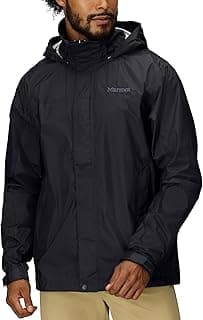
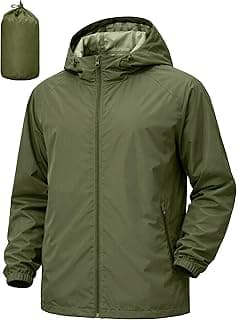
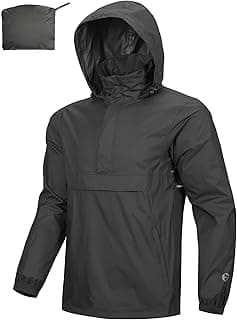
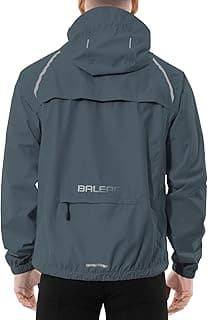
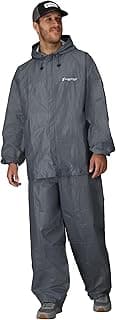
The Physics of Waterproof Membranes: What Makes a Jacket Best for Backpacking?
The core of any high-end rain jacket is the membrane. Most modern shells utilize expanded Polytetrafluoroethylene (ePTFE) or Polyurethane (PU) membranes. These materials feature microscopic pores that are small enough to block liquid water droplets but large enough to allow individual water vapor molecules (sweat) to pass through. However, the efficiency of this process is highly dependent on the temperature and humidity gradient between the inside of the jacket and the outside environment.
Understanding Layer Construction
Rain jackets are typically categorized by their layering system. A 3-layer (3L) jacket bonds the waterproof membrane between a durable outer face fabric and a functional inner liner. This construction is the "Buy It For Life" (BIFL) standard because the inner liner protects the delicate membrane from skin oils and abrasion, which are the primary causes of delamination and failure. In contrast, 2.5-layer jackets use a printed pattern or "half-layer" on the inside to save weight, though they often feel "clammy" against the skin and have a shorter operational lifespan.
| Feature | 2.5-Layer Jackets | 3-Layer (3L) Jackets |
|---|---|---|
| Primary Use | Ultralight backpacking, emergency shells | Expedition trekking, harsh environments |
| Durability | Moderate; prone to membrane wear | High; membrane is fully protected |
| Breathability | Good, but can feel "plastic-like" | Superior; handles high aerobic output |
| Weight | Extremely light (under 10oz) | Heavier (12oz - 20oz) |
When you are learning how to come up with good gift ideas, consider the specific terrain the recipient frequents. A thru-hiker on the Appalachian Trail might prioritize a 2.5L jacket for its weight savings, whereas someone tackling the Pacific Northwest would benefit significantly from the robust protection of a 3L shell.
Gifting tech is about more than specifications; it is about upgrading the recipient's window to the digital world, ensuring every frame is a testament to quality.
User Persona Analysis: Matching the Jacket to the Hiker
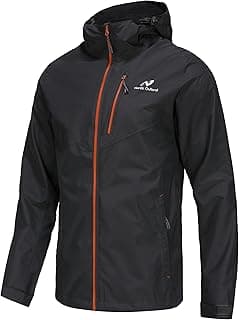
Not all hikers have the same physiological or environmental requirements. To choose the best backpacking rain jackets as a gift, we must analyze the specific needs of different user segments. For instance, high-density hikers—those who carry heavy packs and exert maximum effort—require jackets with "pit zips." These mechanical vents allow for immediate heat dumping, bypassing the limitations of even the most expensive membranes.
For the elderly or those with joint sensitivities, the weight distribution of the garment and the ease of zipper manipulation are paramount. Large, glove-friendly zipper pulls and adjustable hoods that don't obstruct peripheral vision are essential ergonomic features. If the recipient already has high-quality gear, such as the best hiking boots for women, adding a premium rain shell creates a cohesive, high-performance kit that enhances their overall safety.
The Importance of Fit and Articulation
A technical jacket must allow for a full range of motion. "Athletic cuts" are designed to minimize excess fabric that can snag on brush or flap in high winds. Look for "articulated elbows" and "gusseted underarms," which prevent the hem of the jacket from lifting when the hiker reaches up or uses trekking poles. This ensures that the lower back remains protected from cold drafts and rain.
Buy It For Life (BIFL) Philosophy: Durability and Hidden Costs
The biggest misconception in the outdoor industry is that a rain jacket is a "set it and forget it" piece of equipment. In reality, every WPB jacket requires maintenance. The Durable Water Repellent (DWR) coating on the face fabric is a chemical treatment that causes water to bead up. Over time, abrasion from backpack straps and contamination from dirt will cause the DWR to fail. When the face fabric becomes saturated (wets out), breathability drops to zero, even if the membrane is intact.
To ensure your gift lasts, educate the recipient on the necessity of technical washes and DWR reproofing. Avoid jackets that utilize integrated, non-replaceable components or those with poorly heat-sealed seams that cannot be easily repaired by third-party services. A modular approach to gear, where the jacket can be maintained alongside other essentials like best hiking gloves and best backpacking gloves, promotes a more sustainable and cost-effective outdoor experience.
Advanced Features: The Differentiators
When comparing the best backpacking rain jackets, small engineering details often justify the higher price points. Consider the following:
- Helmet Compatibility: If the recipient climbs or skis, a hood that fits over a helmet is non-negotiable.
- Seam Taping: Ensure the jacket uses micro-seam taping to reduce weight and increase the surface area available for breathability.
- Pocket Placement: High "Napoleon" pockets are designed to be accessible even when a backpack hip belt is fastened.
While some may view a jacket as a simple item of clothing, in the context of wilderness travel, it is a piece of life-support equipment. In some cases, a high-tech garment might even be considered what is a good experiential gift, as it enables the recipient to explore environments they previously found too daunting or uncomfortable. For the tech-forward hiker, you might even pair a shell with best smart glasses for a truly futuristic trail experience.
Frequently Asked Questions
Is a $500 rain jacket significantly better than a $100 one?
Yes, but primarily in the realms of breathability and long-term durability. While both will keep you dry in a short rain shower, a $500 3-layer jacket uses advanced membranes like Gore-Tex Pro or AscentShell that allow for much higher aerobic activity without overheating, and the construction is designed to withstand years of heavy pack abrasion, whereas budget jackets often delaminate within two seasons of frequent use.
How do I know if a rain jacket has "wet out"?
You can tell a jacket has "wet out" when the outer fabric looks dark and heavy, and water no longer beads up and rolls off. When this happens, the fabric is saturated, creating a barrier that prevents your sweat from escaping, which often makes people think their jacket is leaking when they are actually just soaked in their own perspiration.
Can I wash a backpacking rain jacket in a normal laundry machine?
Yes, but you must use a specific technical detergent designed for synthetic shells. Standard household detergents contain surfactants and perfumes that clog the membrane's pores and strip the DWR coating. Always close all zippers and hook-and-loop fasteners before washing on a gentle cycle, and often, a short tumble dry on medium heat is required to "reactivate" the DWR coating.
What is the most important feature to look for in a gift jacket?
The most important feature is the balance between the recipient's activity level and the jacket's ventilation options. If they hike in humid or warm environments, "pit zips" are arguably more important than the brand of the membrane itself, as mechanical venting is the only way to effectively manage moisture in those conditions.