



The Psychology of Gifting for Twelve Month Olds
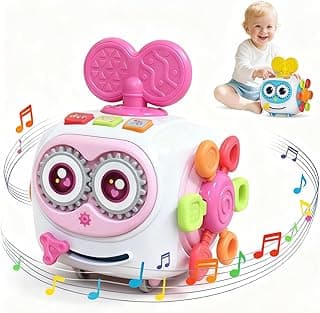
From a behavioral science perspective, the most effective gifts are those that offer a high degree of "affordance," a term used in perceptual psychology to describe the qualities of an object that allow an individual to perform an action. For a one year old, an object that can be pushed, pulled, stacked, or sorted provides significantly more cognitive value than a passive electronic toy that merely emits lights and sounds. When evaluating the best birthday gift ideas for this age group, the focus must remain on the child’s emerging autonomy and their desire to mimic adult behaviors.
The primary developmental milestones at this stage include gross motor skill refinement, such as cruising or independent walking, and fine motor development, such as the pincer grasp. Consequently, the best one year birthday gifts are those that challenge these specific abilities without inducing frustration. Over-stimulation is a documented risk in modern gifting. Research suggests that an abundance of toys can actually reduce the quality of play, leading to shorter attention spans and less creative exploration. Therefore, a curated approach is far superior to a high-volume approach.
| Gift Category | Developmental Focus | Long-term Value |
|---|---|---|
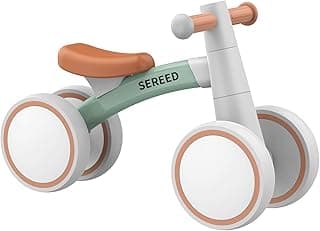
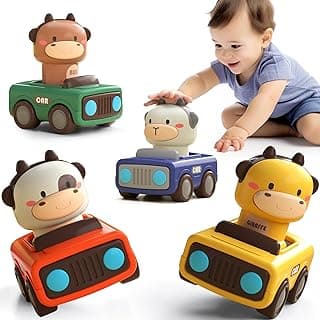
| Push and Pull Toys | Gross Motor and Balance | High: Supports the transition to confident walking. |
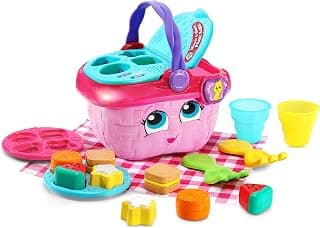
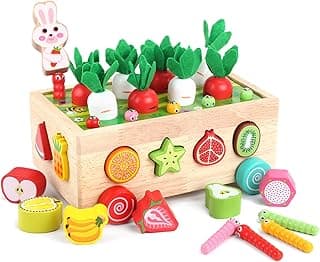
| Stacking and Sorting Blocks | Cognitive and Fine Motor | Very High: Foundational for spatial reasoning. |
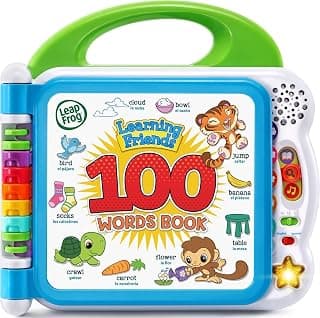
| Sensory and Textured Books | Language and Tactile Input | High: Encourages early literacy and focus. |
| Musical Instruments (Drums/Shakers) | Auditory Processing and Rhythm | Moderate: Enhances cause-and-effect understanding. |
Prioritizing Material Longevity and Safety
While the immediate reaction of a child is often the metric used by casual observers, a professional gifting consultant evaluates the physical integrity and safety profile of the item. Materials such as sustainably sourced wood, food grade silicone, and organic cotton are preferred over low quality plastics. These materials are not only more durable but also provide a superior tactile experience, which is crucial for sensory development. For instance, best soft toys made from natural fibers offer a different weight and texture than synthetic alternatives, aiding in the child's sensory discrimination.
The true value of a gift for a young child is not found in the complexity of its technology, but in the simplicity of the interactions it invites. A cardboard box often provides more engagement than a robotic toy because it requires the child to provide the imagination.
Safety remains an immutable requirement. At one year of age, the oral fixation phase is still prevalent. Every component of a gift must be larger than the standard choke tube diameter and must be free from toxic paints or finishes. When considering what to get for a mommy to be or a first year parent, emphasizing safety certified products demonstrates a high level of respect for the family's well-being.
The Role of Open-Ended Play
Open-ended toys are defined as items that can be used in multiple ways depending on the child's imagination. A set of wooden blocks can be a tower today, a fence tomorrow, and a collection of "food" the day after. This versatility ensures that the gift remains relevant as the child moves into toddlerhood. This is a stark contrast to "one-hit" toys that perform a single function. In communities such as Reddit’s parenting and minimalist groups, there is a strong advocacy for "Buy It For Life" (BIFL) principles, even in early childhood, to reduce waste and maximize utility.
Emotional Value versus Material Value
The balance between the emotional significance and the material cost of a gift is a critical consideration for the long-term relationship between the giver and the recipient. A highly expensive gift that lacks utility or sentimental resonance can inadvertently create a sense of obligation or clutter. Conversely, a thoughtful, developmentally appropriate gift, regardless of price, signals that the giver has a deep understanding of the child’s growth and the parents’ values.
In many cultures, the first birthday is a milestone for the parents as much as the child. It marks the successful completion of the most demanding year of early child-rearing. Therefore, a gift that acknowledges the child's progress, such as what is the greatest gift a parent can give a child (often cited as presence and educational support), holds immense emotional weight. Selecting items that can become family heirlooms or that facilitate shared bonding experiences, such as high-quality picture books, provides a lasting emotional ROI that exceeds the initial financial outlay.
Strategic Gifting for Future Milestones
A sophisticated gifting strategy also looks forward. While the child is currently one, gifts that bridge the gap to the next developmental stage can be highly appreciated. For example, while a full sized instrument is inappropriate, introducing the concept of music through a best youth guitar designed for toddlers or rhythmic percussion sets can set the stage for future hobbies. Similarly, looking ahead to the best gift ideas for teens might seem premature, but contributing to a dedicated educational savings account on a first birthday is a powerful gesture of long-term commitment to the child’s future.
| Factor | Material Focus | Emotional Focus |
|---|---|---|
| Primary Goal | Immediate entertainment | Relationship building and development |
| Longevity | Often short term (6 to 12 months) | Long term (years or decades) |
| Parental Perception | May be seen as "extra clutter" | Seen as thoughtful and supportive |
Frequently Asked Questions (FAQ)
Is a $1000 gift appropriate for a one year old?
Yes, a $1000 gift is appropriate provided it is directed toward the child's future, such as a college savings contribution or a high-quality heirloom. For physical toys, this amount is generally excessive and can lead to overwhelmed sensory processing. A more balanced approach involves a modest physical gift accompanied by a financial investment in the child’s long-term welfare.
What is the four gift rule for birthdays?
The four gift rule is a minimalist strategy designed to limit consumerism and ensure meaningful gifting. It consists of four categories: something they want, something they need, something to wear, and something to read. This framework is highly effective for one year olds as it ensures a balanced variety of items that satisfy both practical and developmental needs without creating excessive household clutter.
How do I choose a gift that won't be outgrown in a month?
Focus on open-ended tools rather than closed-ended toys to ensure longevity. Items like building blocks, play kitchens, or basic climbing structures have a multi-year utility span because their use evolves as the child's cognitive and physical capabilities increase. Avoiding trend-based characters or electronic devices with limited functions is the most logical way to ensure the gift remains relevant through the toddler years.
Should I buy a gift for the child or the parents?
A successful first birthday gift often serves both parties by providing the child with a developmental tool and the parents with a high-quality item that does not require constant maintenance or battery replacement. Gifts that facilitate easier outings, such as ergonomic bags or durable outdoor gear, are technically gifts for the parents but ultimately benefit the child's experience of the world.
In conclusion, the best birthday gifts for one year olds are those chosen with a professional understanding of the child’s current capabilities and future potential. By prioritizing quality over quantity and developmental value over momentary novelty, you ensure that your gift serves as a meaningful milestone in the child's early life journey.








