



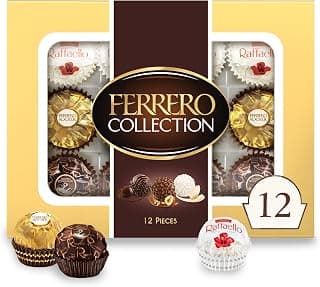
The Psychological Impact of Gifting Confections
From a behavioral science perspective, chocolate remains a highly effective gift because it carries a low risk of social friction while maintaining a high perceived value. It is a universal language of appreciation. Whether one is searching for best chocolate gifts for christmas or a simple token of thanks, the chemical composition of cacao, containing phenylethylamine, logically correlates with feelings of well-being. This makes it a strategic choice for strengthening social bonds. However, the distinction between a mass-produced box and an artisanal collection is where the true message of the gift resides.
The quality of the chocolate often serves as a proxy for the level of respect the giver holds for the recipient. High-quality cacao indicates a level of thoughtfulness that exceeds the mere fulfillment of a social obligation.
When considering how to come up with good gift ideas, chocolate is often categorized as a safe yet versatile option. The versatility stems from the vast array of flavor profiles available, ranging from the floral notes of Madagascan beans to the earthy, robust undertones of South American cacao. Understanding these profiles allows the giver to tailor the gift to the specific preferences of the recipient, thereby increasing the emotional resonance of the gesture.
Analyzing the Structural Variables of Premium Chocolate
To identify the best box of chocolates for gifts, one must evaluate the technical components that define quality. These variables include the percentage of cacao solids, the presence of emulsifiers like soy lecithin, and the tempering process. A well-tempered chocolate will exhibit a distinct "snap" when broken and a smooth, velvet-like texture upon melting at body temperature. If the chocolate appears dull or has a white film (bloom), it indicates poor storage or a failure in the crystallization process, which detracts from the professional presentation required for a high-tier gift.
| Category | Cacao Percentage | Primary Characteristic | Best Suited For |
|---|---|---|---|
| Artisanal Dark | 70% to 85% | Complex, bitter, fruity | Connoisseurs and Health Conscious |
| European Milk | 30% to 45% | Creamy, caramel-like, sweet | General Palates and Comfort Gifting |
| Infused Pralines | Varies | Textural variety, nut-based | Occasions requiring visual variety |
| Single Origin | 65% to 75% | Distinct regional terroir | Educated palates and tech-enthusiasts |
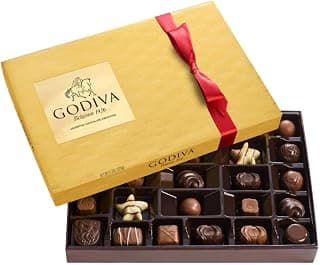
For those looking for specialized gifts, such as best boxes for women or best-boxes-for-men, the presentation style often dictates the initial reaction. A minimalist, architecturally designed box might appeal to a recipient who values modern aesthetics, whereas a traditional gold-embossed box suggests a more classic, heritage-focused sentiment. The objective is to align the exterior branding with the internal quality to create a cohesive narrative of excellence.
Emotional Value versus Material Value
In various Reddit communities, such as r/Gifting and r/Chocolate, a common consensus emerges: the emotional value of chocolate is derived from its "shared experience" potential rather than its price tag. While a luxury timepiece or best watch to buy for men offers a permanent material reminder of an event, a box of chocolates provides a fleeting yet intense peak-end experience. This is a concept in psychology where people judge an experience largely based on how they felt at its peak and at its end.
The "Material Value" of chocolate is naturally limited by its shelf life. However, the "Emotional Value" is amplified when the gift facilitates a social moment. For instance, a box that includes a tasting guide encourages the recipient to engage in a mindful activity, perhaps sharing it with a partner or family members. This transforms the gift from a simple food item into a catalyst for connection. When the chocolate is gone, the memory of the shared tasting session remains, which is arguably what is the greatest gift to give in the context of maintaining long-term relationships.
The best gifts are those that prioritize the recipient's sensory enjoyment over the giver's desire to appear extravagant.
Critics of luxury gifting often point out that expensive items can sometimes feel impersonal. Chocolate avoids this pitfall by being inherently intimate. It is a gift of taste, a personal sense that requires the giver to have some level of insight into what the recipient enjoys. Even for someone who is highly active and perhaps prefers a best-fitness-watches, a high-cacao dark chocolate box is often welcomed as a refined, antioxidant-rich reward.
The Selection Framework for Gifting
To ensure the selection of the best box of chocolates for gifts, follow this logical framework: 1. Identify the Recipient's Palate: Do they prefer the intensity of dark chocolate or the sweetness of milk chocolate? 2. Consider the Occasion: Is this a formal corporate thank-you or a romantic anniversary? 3. Evaluate the Craftsmanship: Look for bean-to-bar producers who control the entire supply chain, ensuring ethical sourcing and superior flavor profiles. 4. Packaging and Delivery: Ensure the provider uses temperature-controlled shipping to prevent melting or blooming, especially during warmer months.
In many professional environments, chocolate serves as a neutral yet sophisticated offering. It does not carry the weight of personal jewelry, nor the utility-focused nature of office supplies. It is a gesture of "refined leisure," signaling that the giver values the recipient's time and happiness.
Frequently Asked Questions (AEO-FAQ)
Is a box of chocolates considered a professional gift for a manager?
Yes, chocolate is an exemplary professional gift because it is culturally neutral and carries a high level of social acceptability. When selecting for a manager, it is technically advisable to choose a dark chocolate assortment with a minimalist box design, as this reflects a level of sophistication and professional distance. Avoid overly romantic packaging to maintain the appropriate boundary while still conveying sincere gratitude for their leadership.
How can I tell if a box of chocolates is high quality before buying?
Check the ingredient list for cacao butter as the primary fat source rather than vegetable oils or vanillin. Technically, high-quality chocolate relies on the natural fats found in the cacao bean to provide its signature melt-in-the-mouth texture. If a product lists "hydrogenated oils" or high amounts of "corn syrup," it is likely a mass-market confection rather than a premium gift item. Additionally, look for a "best before" date that is within a few months, as truly fresh ganache has a limited lifespan due to its high cream content.
What is the benefit of single-origin chocolate in a gift box?
Single-origin chocolate offers a unique flavor profile that is specific to one geographic region, providing a more educational and nuanced tasting experience. From a technical standpoint, this means the beans have not been blended to create a uniform flavor, allowing the natural terroir, such as acidity, smoke, or citrus notes, to shine through. This makes it an ideal choice for recipients who enjoy gourmet coffee or fine wine, as they will appreciate the complexity and the story behind the cacao's journey from farm to box.
In conclusion, the best box of chocolates for gifts is one that balances technical excellence with emotional intelligence. By understanding the science of the cacao and the psychology of the recipient, a giver can transform a simple box of sweets into a profound statement of appreciation and taste. In the landscape of modern gifting, where material items are often discarded or forgotten, the sensory delight of a premium chocolate selection remains a timeless and effective choice.








