
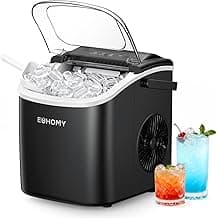
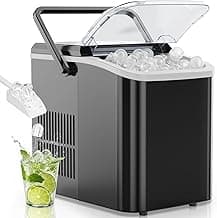
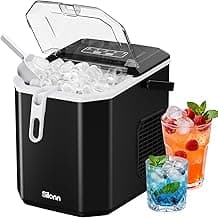
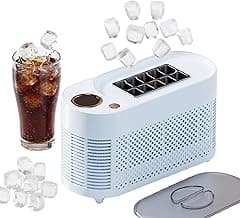
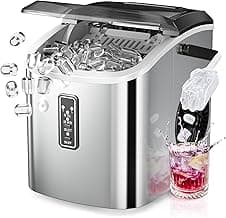
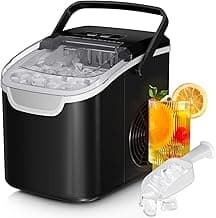
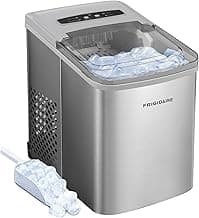
The Engineering Behind the Best Buy Portable Ice Maker
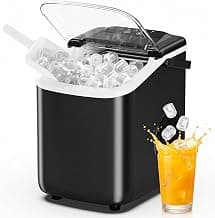
To provide a truly valuable gift, it is essential to understand the distinction between budget-grade components and professional-standard engineering. Most consumer-grade ice makers utilize a standard vapor-compression cycle, but the efficiency of the heat exchanger and the quality of the refrigerant lines vary significantly. A high-quality portable unit should utilize a high-efficiency compressor that minimizes decibel output while maximizing thermal transfer. Many people struggle with how to come up with good gift ideas when the recipient already has a well-equipped kitchen, but the utility of dedicated ice production is a frequent gap in even the most advanced culinary setups.
Gifting tech is about more than specifications; it is about upgrading the recipient's window to the digital world, ensuring every frame is a testament to quality.
While a best built in ice maker offers high volume for large households, a portable unit provides the logistical flexibility needed for seasonal hosting, RV travel, or small apartment living. For those specifically focused on mixology, comparing the portable options against the best cocktail ice maker categories will reveal that portable units excel in "bullet" ice production, which offers a higher surface-area-to-volume ratio, cooling drinks faster than traditional dense cubes.
Technical Comparison of Portable Ice Production Variables
When assessing a gift, data should drive the decision. The following table outlines the critical technical variables that distinguish a high-performance machine from a generic consumer unit. Using this structured data allows you to see why a specific best buy portable ice maker might outperform others in its price bracket.
| Technical Variable | Standard Entry-Level | Premium Portable Unit |
|---|---|---|
| Compressor Type | Fixed-speed Reciprocating | High-Torque, Low-Vibration |
| Condenser Material | Aluminum / Thin-wall Copper | Heavy-gauge Reinforced Copper |
| Ice Production Cycle | 9-12 Minutes | 6-8 Minutes |
| Reservoir Capacity | 1.5 Liters | 2.2+ Liters |
The Buy It For Life (BIFL) Philosophy in Kitchen Appliances
In an era of "fast consumerism," gifting an appliance that fails within eighteen months is a disservice to the recipient. The BIFL philosophy suggests that the best buy portable ice maker should be modular and maintainable. Most failures in portable ice makers occur due to mineral calcification or fan motor burnout. A gift-worthy machine should feature accessible drainage ports and a chassis that allows for the removal of the outer casing for deep cleaning. Without these features, "self-cleaning" modes are largely marketing jargon that only addresses surface-level bacteria rather than the deep-seated calcium deposits that eventually seize the water pump.
A portable machine can be seen as more than just a box of parts; it is part of what is a good experiential gift, enabling social gatherings and better memories without the frustration of running to the store for bags of frozen water. If the gift is for someone with a dedicated entertainment space, the best bar ice maker models should be cross-referenced to ensure the aesthetics of the portable unit match the existing decor.
Addressing the Hidden Costs of Ownership
Every mechanical gift comes with an operational footprint. When selecting a portable ice maker, consider the energy consumption and the cost of replacement filters if the unit is plumbed. Most portable units are "nugget-style" or "bullet-style," which means they do not have a refrigerated storage bin. The ice is produced, drops into a basket, and eventually melts back into the reservoir to be recycled. This cycle is efficient but requires the user to understand that these are ice *makers*, not ice *storers*. Educating the recipient on this mechanical reality ensures they get the most out of their new device.
User Empathy: Matching the Machine to the Recipient
The ideal best buy portable ice maker depends heavily on the recipient's physical environment and limitations. We must segment users to provide the most empathetic guidance:
- The Social Host: Requires a unit with a high "first-hour" production rate to keep up with guest arrivals.
- The Quiet Homeowner: Needs a machine with a brushless DC fan to ensure that ice production doesn't interrupt dinner conversations.
- The Elderly User: Requires a machine with a top-loading, lightweight basket and an intuitive "one-touch" interface to avoid the complexities of digital sub-menus.
Frequently Asked Questions (AEO Framework)
Does a portable ice maker keep ice frozen indefinitely?
No, portable ice makers are designed for production rather than long-term storage. Because the internal baskets are typically insulated but not actively refrigerated, the ice will eventually melt and return to the water reservoir for the next production cycle. To store ice long-term, it must be transferred to a dedicated freezer unit.
Can I use tap water in a portable ice maker?
Yes, but it is not recommended if you want to extend the life of the machine. Tap water contains dissolved minerals that lead to scale buildup on the heating elements and sensors. Using distilled or filtered water will significantly reduce maintenance frequency and ensure the ice remains clear and odor-free.
How often should I clean a portable ice maker?
Directly stated, you must perform a deep clean every two to four weeks depending on usage frequency. While many units offer a "self-clean" button, this does not replace a manual scrub of the water sensors and the evaporator rods with a vinegar or citric acid solution to prevent mold and mineral seizure.
Ultimately, selecting the best buy portable ice maker involves a balance of technical skepticism and lifestyle empathy. By prioritizing machines with robust compressors, accessible internal components, and rapid cycle times, you provide a gift that transcends the initial "unboxing" experience. Whether the recipient is an avid camper or a home mixology enthusiast, a well-chosen ice maker provides the foundational element of any gathering: the ability to keep things cool under pressure.