
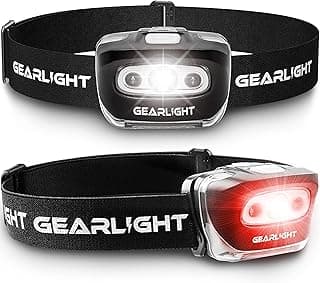
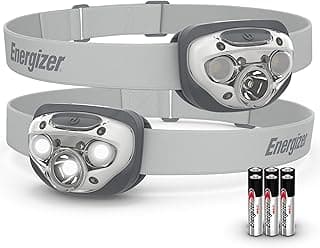
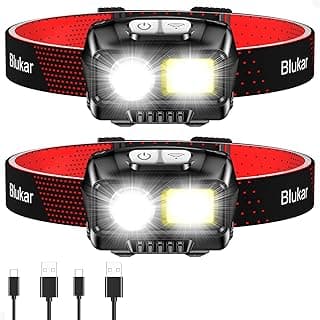
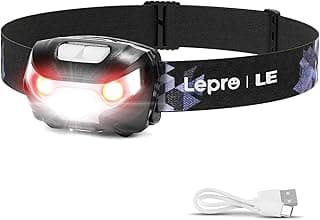
The Physics of Luminescence: Lumens vs. Lux in Outdoor Settings
Consumer marketing often prioritizes high lumen counts to attract buyers, yet lumens only measure the total amount of light emitted by a source. For an outdoor enthusiast, the more critical variable is lux—the intensity of light on a specific surface—and the beam distance. A device with 1000 lumens that lacks a sophisticated total internal reflection (TIR) lens or a high-quality parabolic reflector will merely create a "wall of light" that lacks depth, often causing self-blinding glare in foggy or dusty conditions. Conversely, a precisely engineered light with lower output but higher candela can project a focused beam further, allowing for safer navigation. This technical nuance is a key consideration when researching how to come up with good gift ideas for those who venture into deep wilderness.
Furthermore, heat management is a physical constraint that many budget manufacturers ignore. High-output LEDs generate significant thermal energy. Without adequate heat sinking—often achieved through copper core boards or aluminum housings—the LED will experience rapid "thermal sag," where the internal circuitry forces a brightness drop to prevent permanent damage. A gift that maintains its brightness for two hours is infinitely more valuable than one that drops to 10% output after five minutes of use.
Gifting tech is about more than specifications; it is about upgrading the recipient's window to the digital world, ensuring every frame is a testament to quality.
Analyzing Power Systems: Battery Chemistry and Environmental Resilience
The choice between alkaline, Nickel-Metal Hydride (NiMH), and Lithium-ion (Li-ion) systems defines the long-term utility of the gift. While alkaline batteries are convenient for emergency kits due to their shelf life, they are prone to leaking potassium hydroxide, which can corrode internal contacts and destroy the device. For frequent users, a best rechargeable headlight utilizing a 18650 or 21700 Li-ion cell offers superior energy density and cold-weather performance. Lithium-ion chemistry remains stable at temperatures where alkaline voltages would plummet, making them the superior choice for mountaineering or winter camping.
However, the "hidden cost" of integrated batteries is the inevitable loss of capacity over 300 to 500 charge cycles. A "Buy It For Life" (BIFL) approach suggests choosing models with user-replaceable cells. This modularity ensures that the headlamp body—which can last a decade—does not become electronic waste simply because a $10 battery has reached its end of life. For what is someone that loves technology, these modular systems represent a more sustainable and technically sound investment.
Multi-dimensional User Empathy: Ergonomics and Physical Limitations
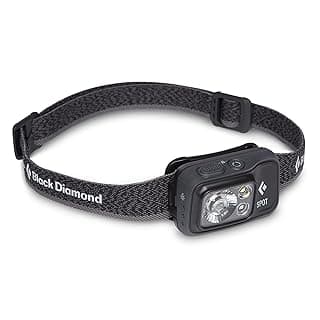
Content regarding outdoor gear must account for the diverse physical needs of the users. A heavy, front-loaded headlamp might provide incredible throw, but it can cause significant neck strain and "bounce" during dynamic movements like jogging or setting up a tent. For the elderly or those with cervical spine sensitivity, a split-design lamp—where the battery pack is located at the rear of the headband—provides a balanced center of gravity. This distribution reduces the downward force on the forehead and prevents the lamp from slipping during use.
Additionally, the interface design (UI) is a matter of accessibility. In cold environments, users will likely be wearing best high dexterity winter work gloves. If the lamp requires precise, small button presses or complex "double-click" sequences to access critical modes, it fails in a real-world scenario. A large, tactile button or a physical dial is far superior for gloved operation, ensuring the user can toggle between a red light (to preserve night vision) and a high-power spotlight without frustration.
Technical Comparison: Variable Performance Metrics
To assist in the selection process, the following table compares common technical profiles found in the high-end market:
| Technical Variable | Ultralight/Backpacking | Standard Camping/Safety | Search & Rescue/Technical |
|---|---|---|---|
| Weight (incl. batteries) | < 80 grams | 100 - 150 grams | > 250 grams |
| Primary Power Source | Internal Li-Po or AAA | 18650 Li-ion / Hybrid | External Battery Pack |
| Waterproof Rating | IPX4 (Splash-proof) | IPX7 (Submersible) | IP68 (Dust/Waterproof) |
| Optical System | Wide Flood | Dual (Spot + Flood) | Long-range Thrower |
Gifting for Specialized Interests: Beyond the Basic Campfire
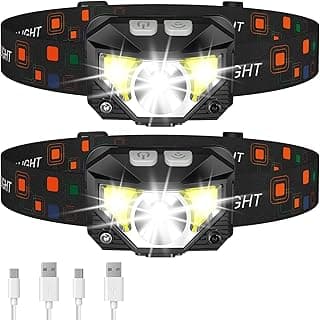
When selecting the best camping headlight, consider the recipient's specific secondary hobbies. A user who enjoys night photography or stargazing requires a lamp with a dedicated high-CRI (Color Rendering Index) LED, which reproduces colors more accurately than standard "cool white" emitters. Meanwhile, a runner might prioritize a best headlight for hiking that features a reactive lighting sensor, which automatically adjusts brightness based on the distance to the ground, effectively extending battery life. These specialized features elevate a simple tool into a thoughtful, personalized gift.
For those looking for best gift ideas for him or best dad gift ideas, consider pairing the headlamp with other performance-oriented gear. A best sport tracking watch can complement the lighting system by providing GPS navigation, ensuring that even if the light fails, the path home is still known. This holistic approach to gifting ensures that the outdoor experience is both safe and technologically optimized.
Direct Answer Framework: Frequently Asked Questions
Is a higher lumen count always better for a camping gift?
No, a higher lumen count is not always better because excessive brightness can cause glare, reduce battery life significantly, and lead to overheating without proper heat dissipation. A well-designed headlamp balances output with beam quality and runtime to ensure consistent performance throughout the night.
Should I choose a rechargeable or battery-operated headlamp for a gift?
You should prioritize a "hybrid" model that supports both a rechargeable Li-ion battery and standard alkaline backups. This offers the economic and environmental benefits of recharging for regular use while providing the reliability of replaceable batteries during extended trips where power outlets are unavailable.
What does the IPX rating mean for a camping headlamp?
The IPX rating measures the device's resistance to liquid ingress; IPX4 protects against splashes from any direction, while IPX7 or IPX8 indicates the device can be submerged in water. For camping in unpredictable weather, an IPX7 rating is the recommended minimum to ensure the internal electronics do not short-circuit during a heavy downpour.
By focusing on these technical and ergonomic factors, you can transition from purchasing a mere commodity to investing in a high-performance tool. The best camping headlight is one that the user forgets they are wearing because it functions so seamlessly, providing the right light at the right time while standing up to the rigors of the natural world.