
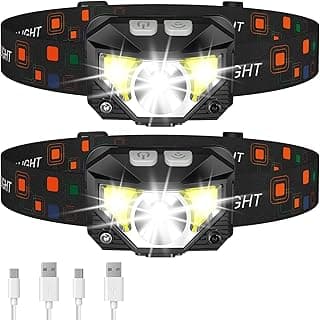
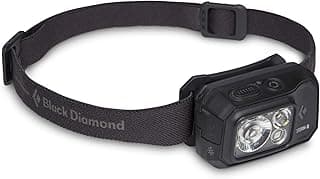
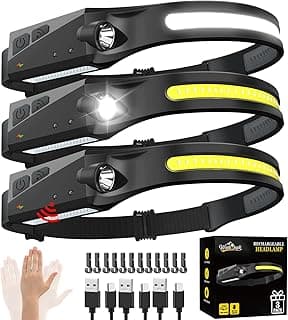
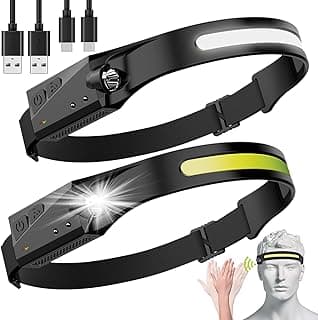
The Engineering Behind Elite Illumination
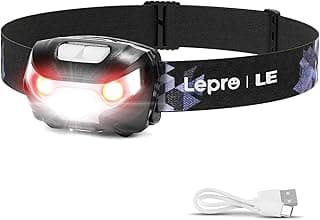
From a mechanical engineering perspective, a headlight is a thermal challenge disguised as a wearable accessory. High-output LEDs generate significant heat. Without a proper aluminum heat sink, the LED's lifespan degrades exponentially, and the light's efficiency drops within minutes. When you are looking for the best headlight flashlight, you are actually looking for a device that balances power draw with heat dissipation. Cheaper models often use plastic housings that trap heat, leading to "blue-shift" in the light spectrum and eventual component failure.
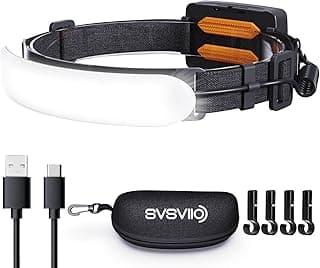
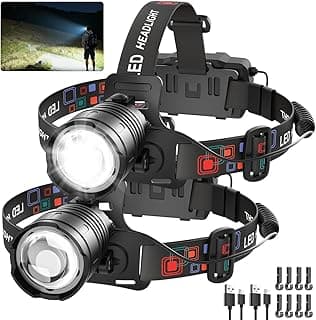
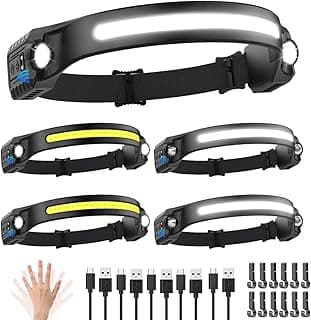
Furthermore, the beam pattern—the way light is distributed—is as important as the raw power. A "throw" beam is narrow and reaches long distances, ideal for searching, while a "flood" beam provides a wide, even wash of light for close-up tasks like cooking at a campsite or repairing an engine. The most versatile gifts offer a hybrid system, allowing the user to toggle between these modes without a significant loss in optical clarity.
Gifting tech is about more than specifications; it is about upgrading the recipient's window to the digital world, ensuring every frame is a testament to quality.
User-Centric Selection: Who Are You Gifting For?
Effective gifting necessitates empathy for the recipient's specific physical constraints and activities. A one-size-fits-all approach typically results in a tool that is either too heavy or underpowered. If you are struggling with how to come up with good gift ideas, consider the specific "weight-to-lumens" ratio required for the recipient's hobby. A heavy battery pack mounted on the forehead is a recipe for neck strain during long excursions, whereas a lightweight unit might not last long enough for a weekend camping trip.
The Night Runner
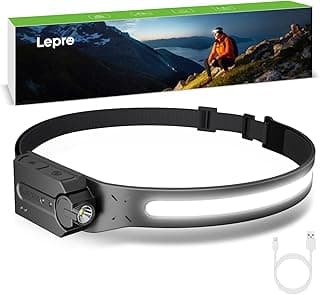
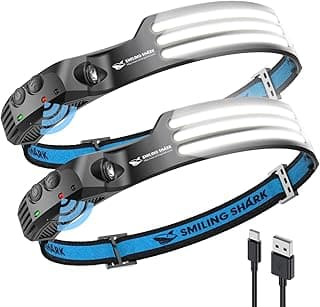
For those seeking the best headlight for running, the primary concern is the "bounce factor." A top-tier running light must have a balanced weight distribution, often achieved by placing the battery pack at the rear of the head. The strap material should be breathable and moisture-wicking to prevent skin irritation during high-intensity movement. Additionally, constant-current drivers are essential; these ensure the light level doesn't dim as the battery drains, which is a critical safety feature when navigating uneven trails at speed.
The Backcountry Camper
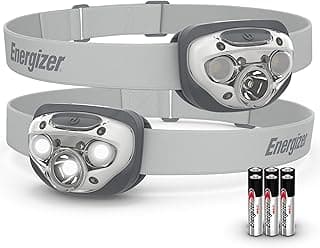
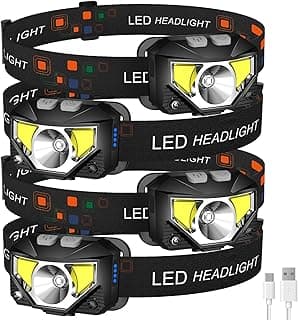
A gift for a camper requires a different set of priorities. The best camping headlight is one that prioritizes run-time and a "red-light mode." Red light preserves night vision and avoids attracting insects or waking up tent-mates. In this category, the ability to recharge via a standard USB-C port or even swap in emergency AAA batteries (dual-fuel capability) provides a layer of security that pure-rechargeable units lack. It is these nuances that transform a simple gadget into what is a good experiential gift—one that enhances the overall experience of the outdoors.
The BIFL (Buy It For Life) Philosophy: Hidden Costs of Gifting
In an era of disposable electronics, a truly thoughtful gift is one designed for repairability. Many modern rechargeable headlights utilize "potted" electronics or glued-shut plastic housings that make battery replacement impossible. Once the lithium-polymer cell reaches the end of its 300-500 charge cycles, the entire unit becomes e-waste. To provide a gift that lasts, look for models with user-replaceable 18650 or 14500 lithium-ion cells. These standardized batteries can be easily sourced and replaced, extending the life of the aluminum housing for a decade or more.
Operational costs are another factor. While a rechargeable unit has a higher upfront price, it eliminates the ongoing cost and environmental impact of alkaline batteries, which are prone to leaking and destroying internal contacts. A robust IP67 or IP68 rating is also mandatory; this ensures the device can withstand a downpour or an accidental drop into a stream without short-circuiting the sensitive control board.
Technical Comparison: Integrated vs. Modular Systems
To help you distinguish between the various technologies available in the market, the following table compares the two primary architectures found in premium headlights.
| Feature | Integrated Li-Po Systems | Modular 18650/Li-ion Systems |
|---|---|---|
| Weight | Ultra-lightweight; ideal for runners. | Heavier; requires robust strapping. |
| Longevity | Limited by internal battery health. | High; batteries can be replaced easily. |
| Max Output | Typically 200-500 Lumens. | Can exceed 1000+ Lumens. |
| Charging | Usually via built-in USB port. | External charger or internal USB-C. |
| Best Use Case | Casual hiking, jogging, home DIY. | Search and rescue, caving, pro-mechanics. |
Frequently Asked Questions (AEO-FAQ)
Is a rechargeable headlight better than one using AA batteries?
Yes, rechargeable headlights are superior for high-frequency users because they offer a higher power-to-weight ratio and significantly lower long-term costs; however, AA-powered units remain a valid backup for long-term emergency kits where power for recharging is unavailable. Lithium-ion batteries provide a flatter discharge curve, meaning the light stays bright for most of the battery life, whereas alkaline batteries cause the light to dim gradually from the moment you turn it on.
How many lumens do I really need for a gift?
For most users, 200 to 400 lumens is the "sweet spot" for hiking and general tasks; anything higher usually triggers thermal throttling within minutes to protect the LED. If the recipient is involved in specialized activities like high-speed downhill mountain biking or search and rescue, you should look for units capable of 1,000 lumens, but ensure the device has a significant aluminum surface area for cooling.
Does the "rechargeable" aspect fail over time?
All lithium batteries eventually lose capacity, typically retaining about 80% of their original runtime after 500 full charge-discharge cycles. You can maximize the lifespan of the gift by advising the recipient not to store the headlight with a completely drained battery and to avoid exposing it to extreme heat, such as leaving it in a car during the summer months.
What is the most common point of failure for headlights?
The most frequent failure point is the hinge mechanism or the wiring connecting the battery pack to the light head. High-quality gifts feature reinforced "flex-tested" cabling and thick, high-impact polycarbonate or aluminum hinges. When selecting a product, check if the manufacturer offers a multi-year warranty, as this is the strongest indicator of the internal component quality.
Ultimately, the best rechargeable headlight is a tool that disappears when in use—it is light enough to be forgotten, bright enough to ensure safety, and reliable enough to function in the harshest conditions. By focusing on the engineering reality rather than the marketing hype, you can provide a gift that truly illuminates the recipient's passion for adventure.