
The Physics of Off-Grid Cooling: Why Technology Matters
When evaluating the best camping ice maker, the primary distinction lies in the cooling method: Thermoelectric vs. Compressor-based systems. As a consumer testing expert, I must emphasize that thermoelectric units, which rely on the Peltier effect, are generally inadequate for true outdoor environments. They can only lower the temperature relative to the ambient air (usually by 30-40 degrees Fahrenheit). If the campsite is 90 degrees, a thermoelectric unit will struggle to keep water frozen. In contrast, a compressor-based system operates like a standard household refrigerator, capable of maintaining sub-zero temperatures regardless of the heat outside.
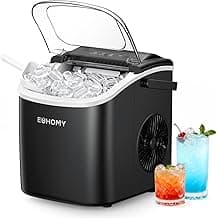
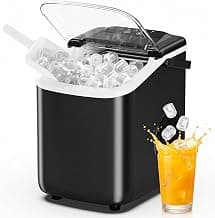
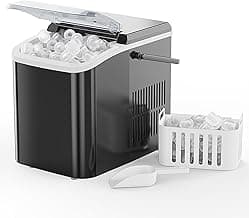
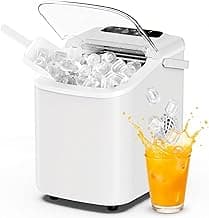
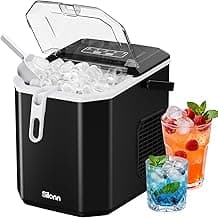
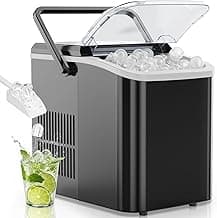
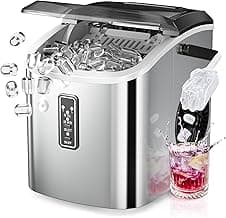
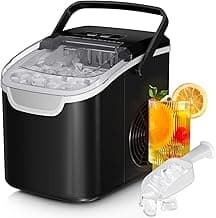
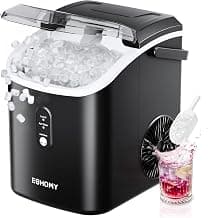
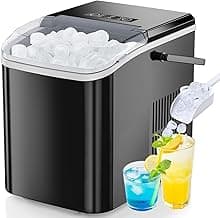
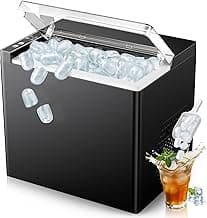
For those who enjoy hosting at the campsite, the best camping ice maker should produce "bullet" ice—a hollow shape that freezes faster and provides more surface area for cooling beverages. While a best bar ice maker might prioritize clear, slow-melting cubes, a camping unit must prioritize speed and energy conservation. A high-quality compressor unit can typically produce its first batch of ice in under eight minutes, a critical metric when energy is being pulled from a portable power station or a vehicle's 12V DC outlet.
Mechanical Durability and the BIFL Philosophy
In the world of outdoor gear, the "Buy It For Life" (BIFL) philosophy is the gold standard. Most entry-level portable ice makers are built with thin plastic shells and unsealed internal components that are susceptible to dust and humidity. When selecting a unit as a gift, look for models that feature stainless steel or high-density UV-resistant polymer housings. how to come up with good gift ideas often involves looking beyond the aesthetic and into the repairability of the item. Truly premium camping ice makers feature modular fans and accessible condensers that can be cleaned of trail dust, preventing the motor from overheating and burning out prematurely.
Furthermore, consider the "Hidden Costs of Ownership." A cheap unit might have a low upfront price but could draw excessive amperage, requiring the recipient to upgrade their expensive battery setup just to keep it running. Analyzing the wattage is essential; the best camping ice maker should draw between 60 to 120 watts during the freezing cycle and significantly less once the basket is full. Always verify if the manufacturer provides a list of third-party replacement parts, such as the water pump or the ice-shove arm, as these are the most common points of mechanical failure over a five-year period.
| Technical Variable | Thermoelectric (Budget) | Compressor-Based (Premium) |
|---|---|---|
| Cooling Range | Ambient minus 35°F | Deep freeze regardless of ambient |
| Production Speed | 20-30 Minutes | 6-9 Minutes |
| Power Source | AC/DC (High draw per BTU) | Optimized 12V/24V DC / 110V AC |
| Vibration Resistance | Low (Solid state) | High (Spring-mounted compressors) |
| Lifespan Expectancy | 1-2 Years | 5-8 Years with maintenance |
User Empathy: Matching the Ice Maker to the Adventurer
A gift is only successful if it integrates seamlessly into the recipient's lifestyle. We must categorize users by their specific physical and logistical constraints:
- The Overlander: Needs a unit with a secured mounting bracket and a 12V DC native plug. The best camping ice maker for this user is one with a ruggedized exterior that can handle the constant vibrations of off-road travel.
- The RV or Van-Lifer: Space is the primary constraint. They require a "zero-clearance" ventilation design, allowing the unit to sit flush against a wall without the compressor overheating. Silence is also a factor; look for decibel ratings below 45dB to ensure sleep is not interrupted.
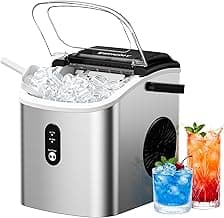
- The Social Camper: For the host of the group, output volume is king. While most portable units produce 26 lbs of ice per 24 hours, some larger "compact" units can push 40 lbs. If you are considering What is a good experiential gift?, providing the means to serve chilled drinks to an entire group is a powerful choice.
When you consider the best camping ice maker, you are essentially gifting the ability to stay out longer. No more "ice runs" to the nearest gas station means more time spent at the summit or by the lake. This utility makes it a standout choice among best gift ideas for him, particularly for those who value self-sufficiency.
Addressing the Skeptic: Is It Truly "Portable"?
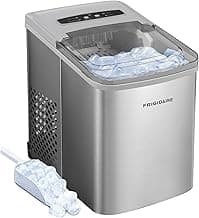
A common critique of portable appliances is their weight and bulk. A standard best buy portable ice maker typically weighs between 18 and 25 pounds. For a solo hiker, this is a non-starter. However, for vehicle-based camping, this weight is negligible compared to the 20 pounds of melting ice one would otherwise carry in a cooler. The technical trade-off is clear: you exchange a small amount of payload and electrical energy for a perpetual supply of a necessary resource.
Quality in an appliance is not defined by its features, but by how few times it requires your attention during a moment of relaxation.
To ensure longevity, advise the recipient to always let the unit sit upright for at least four hours before the first use. This allows the refrigerant oil to settle back into the compressor after the inevitable jostling of shipping or transport. Skipping this step is the leading cause of "dead on arrival" units in the portable market.
Frequently Asked Questions
Is a camping ice maker worth the battery drain?
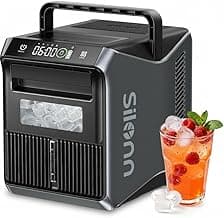
Yes, provided you use a compressor-based model and have a modern lithium power station. Most high-quality camping ice makers are highly efficient; they only pull significant power while actively freezing a batch. Once the sensor detects a full basket, the unit enters a low-power standby mode. To maximize efficiency, fill the reservoir with pre-chilled water from your cooler.
Can I run a camping ice maker off my car's cigarette lighter?
Yes, but with a major caveat: only do so while the engine is running or if your vehicle has a dedicated deep-cycle house battery. Standard starter batteries are not designed for the continuous "cycling" of a compressor and can be drained to the point where the car will not start in just a few hours. A dedicated 12V DC port is preferred over using an inverter to convert to AC, as inverters lose roughly 15-20% of energy to heat.
Does a camping ice maker keep the ice frozen?
No, most portable units are not freezers; they are insulated containers. The ice will eventually melt, but the design of the best camping ice maker allows the meltwater to drain back into the reservoir to be recycled into new ice. This cycle is actually quite efficient, though it means the recipient should plan to use the ice shortly after it is produced or transfer it to a high-end vacuum-insulated cooler.
In conclusion, whether you are browsing for a best gift ideas for him or trying to figure out how to come up with good gift ideas for a family of campers, the best camping ice maker stands out as a sophisticated, practical, and highly appreciated choice. By focusing on compressor technology, build quality, and energy efficiency, you provide a gift that elevates every future outdoor excursion.