


Evaluating the Best Chocolate Gift Boxes Through Technical Logic
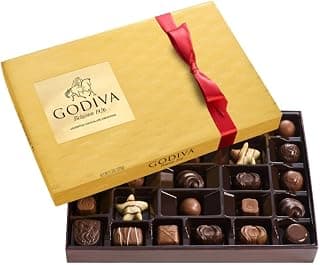
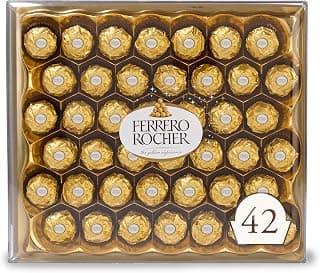
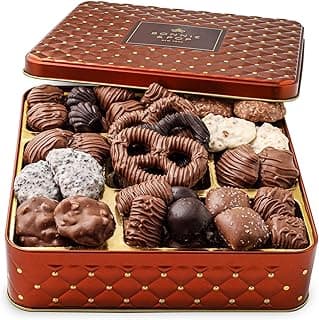
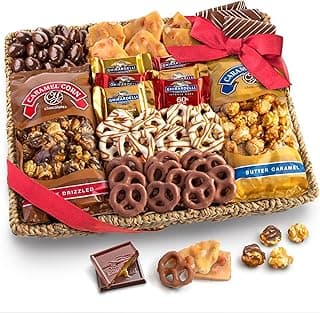
The distinction between an average confection and a high-quality gift lies in the technical execution of the chocolatier. When searching for the best chocolate gift boxes, the discerning giver should prioritize cocoa percentage, the absence of hydrogenated fats, and the complexity of the flavor profiles. High-end chocolate relies on pure cocoa butter, which provides the characteristic "snap" and smooth melt-in-the-mouth texture that defines a premium experience.
| Feature | Commercial Grade Chocolate | Artisanal Gift Grade Chocolate |
|---|---|---|
| Primary Fat Source | Vegetable oils or hydrogenated fats | 100% Pure Cocoa Butter |
| Sugar Content | High, often the first ingredient | Balanced to enhance cocoa notes |
| Preservatives | Artificial stabilizers for long shelf life | Fresh ingredients with shorter shelf life |
| Social Signal | Casual, low-effort acquaintance | Thoughtful, high-value appreciation |
For those seeking best anniversary gifts for couples, the logic shifts toward shared experiences. A box featuring a diverse range of single-origin truffles allows for a comparative tasting, transforming a physical object into an interactive evening. This move from a passive gift to an active experience is a key strategy in modern gifting psychology.
Gifting is not merely a transaction of physical matter but a sophisticated exchange of social currency that defines the boundaries and depth of a relationship.
The Emotional Value versus Material Value of Confections
A frequent discussion within communities like Reddit focuses on the perceived "transience" of food-based gifts. Critics argue that once the chocolate is consumed, the material value vanishes. However, a deeper behavioral analysis suggests the opposite. The "Emotional Value" of a gift is often inversely proportional to its permanence. Because chocolate is a sensory experience, it creates a "flashbulb memory" associated with the moment of receiving and the specific flavors encountered.
When considering best christmas gifts for mothers, the emotional weight of a high-quality chocolate box often stems from its association with luxury and relaxation. It provides the recipient with a self-directed "micro-moment" of indulgence that they might not purchase for themselves. This is particularly relevant when looking for the best chocolate gifts for christmas, where the seasonal context adds a layer of nostalgic value to the gift.
Furthermore, in professional settings, understanding what is a nice client gift is essential for brand positioning. A high-quality chocolate box is perceived as a sophisticated, non-intrusive gesture. It respects the professional boundary while providing a high-utility item that can be shared among a team, thereby increasing the "surface area" of the positive sentiment across the client's organization.
Selecting the Correct Flavor Profile for the Recipient
The selection process should be guided by the recipient's personality and known habits. For a recipient who appreciates technical precision and minimalist aesthetics, dark chocolate with high cocoa solids (70% or higher) is a logical choice. Conversely, for someone with a penchant for traditional comfort, a curated selection of milk chocolates and pralines may be more appropriate. If the gift is for a specific milestone, such as the best gift for ladies on birthday, opting for a box that includes floral or fruit-infused ganaches can signal a more personalized and creative approach.
Consider the logistical benefits of a best gift-basket-ideas approach, where chocolate is the centerpiece but is supported by complementary items like fine tea or coffee. This increases the total utility of the gift and extends the period over which it is enjoyed, bridging the gap between material transience and long-term appreciation.
Technical Guide: Preserving the Integrity of High-End Chocolate
To ensure that the best chocolate gift boxes maintain their intended quality upon arrival, certain environmental factors must be managed. Chocolate is highly sensitive to "bloom," a physical change where fat or sugar crystals migrate to the surface, creating a white, dusty appearance. While safe to eat, it compromises the sensory experience.
| Environmental Factor | Ideal Condition | Consequence of Deviation |
|---|---|---|
| Temperature | 15 to 18 degrees Celsius | Melting or fat bloom |
| Humidity | Below 50% | Sugar bloom and sticky texture |
| Light Exposure | Dark, cool storage | Oxidation of fats and flavor loss |
| Odor Environment | Aroma-neutral container | Chocolate absorbs surrounding smells |
Understanding these technical requirements is part of the "care" signal sent to the recipient. A gift delivered in pristine condition indicates a high level of logistical planning and respect for the product's quality. This attention to detail is often what makes a memorable gift, as it reflects the giver's commitment to excellence.
The most successful gifts are those that demonstrate a harmony between the giver's intent, the recipient's needs, and the inherent quality of the object itself.
Frequently Asked Questions (FAQ)
Is dark chocolate always better for gifting than milk chocolate?
No, the choice depends entirely on the recipient's palate rather than a universal hierarchy of quality. While dark chocolate is often associated with "sophistication" and health benefits like antioxidants, high-quality milk chocolate made with real cream and high cocoa butter content is equally prestigious. Logic dictates that you should choose based on the recipient's known preferences to maximize the positive emotional response.
Should I buy a large box of average chocolate or a small box of premium chocolate?
You should always prioritize quality over quantity. In the psychology of gifting, a small, meticulously crafted box of artisanal truffles creates a much stronger "luxury" signal than a large, mass-produced box. Premium confections provide a superior sensory experience and demonstrate that the giver values the recipient's refined taste, rather than simply trying to fulfill a social obligation through bulk volume.
How long does artisanal chocolate typically last?
Artisanal chocolate usually has a shelf life of two to four weeks because it lacks the artificial preservatives found in commercial brands. Because these confections often use fresh ganache, heavy cream, and real fruit purees, they are designed for immediate consumption. This short shelf life actually enhances the gift's value, as it encourages the recipient to enjoy the experience at its peak freshness, emphasizing the "special" nature of the occasion.
In conclusion, selecting the best chocolate gift boxes is a strategic exercise in social intelligence. By focusing on the technical quality of the ingredients, the psychological impact of the presentation, and the emotional resonance of the sensory experience, a giver can transform a simple box of chocolates into a profound statement of value and respect. Whether for a professional client or a close family member, the logic remains the same: quality, intentionality, and a deep understanding of the recipient are the ultimate ingredients for success.